How to Make Brakes Last Longer With Proper Maintenance
 Telle Tire 14 min read
Your brakes work hard every time you slow down, stop at an intersection, or navigate traffic. Learning how to make brakes last longer can help you manage maintenance costs, reduce premature wear, and keep your vehicle safe on the road. The key is to combine smoother driving with regular inspections and timely repairs.
For drivers in Bridgeton, Missouri, daily commutes, highway traffic, rainy weather, and seasonal temperature changes can all affect brake performance. Telle Tire & Auto Centers can help you identify developing brake problems before they lead to more extensive repairs.
TL;DR on How to Make Brakes Last Longer
- Brake smoothly and anticipate stops. Gradual deceleration reduces unnecessary heat and friction on brake pads and rotors.
- Follow a regular inspection schedule. Check brake components according to your vehicle manufacturer’s recommendations and address unusual noises or vibrations promptly.
- Avoid unnecessary brake wear. Maintain a safe following distance, remove excess cargo, and avoid resting your foot on the brake pedal.
- Watch for warning signs. Squealing, grinding, pulling, and changes in pedal feel may indicate problems that need professional attention.
- Schedule maintenance when needed. A professional inspection can identify uneven wear, sticking calipers, and other problems before they damage additional components.
Why Brake Maintenance Matters
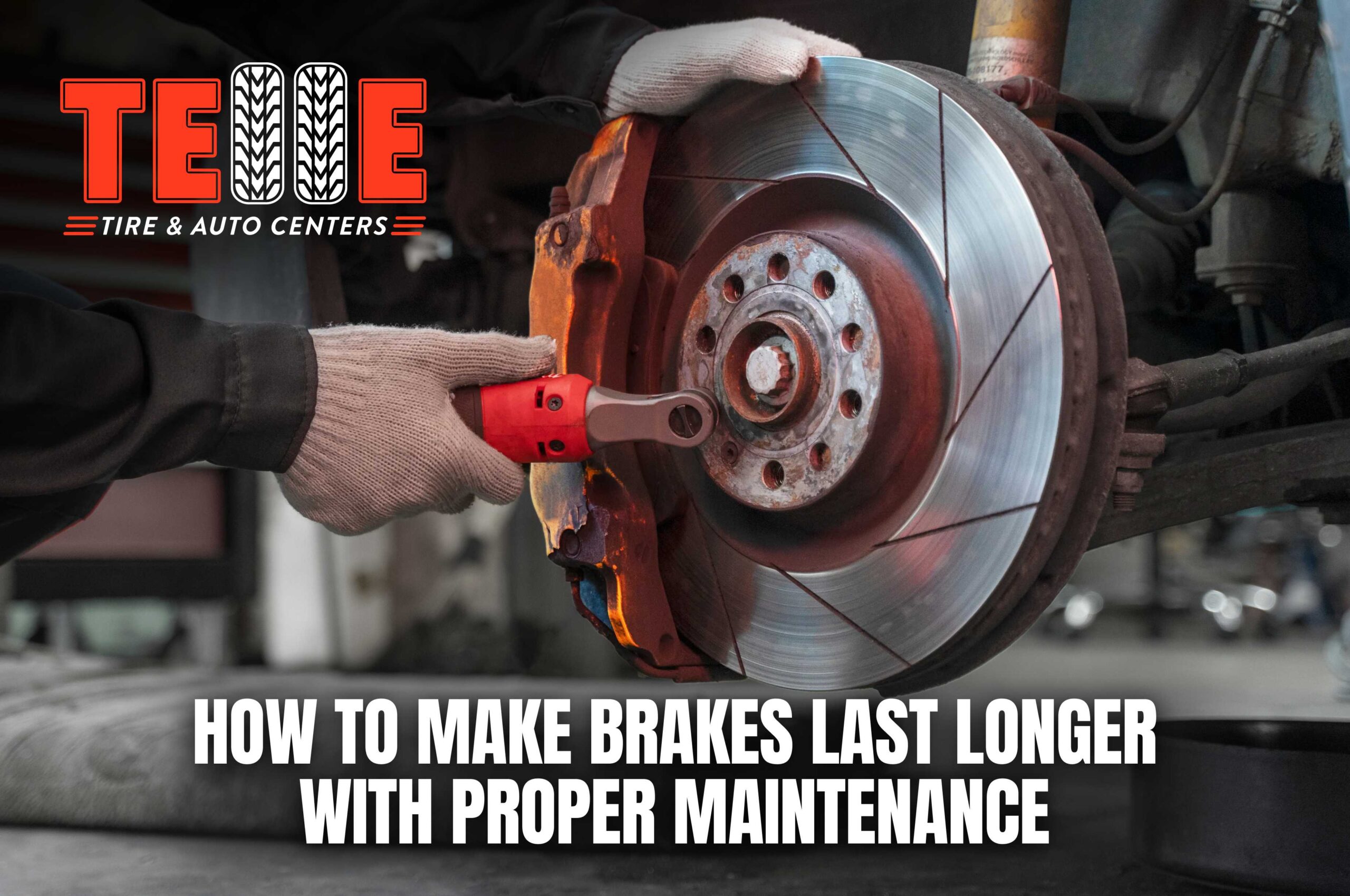
Your vehicle’s braking system converts motion into heat through friction. When you press the brake pedal, the system applies pressure to the pads, which contact the rotors on most passenger cars and SUVs equipped with disc brakes.
This process naturally wears down the friction material. However, aggressive driving, excessive vehicle weight, neglected maintenance, and mechanical problems can accelerate that wear.
Brake pads typically last between 30,000 and 70,000 miles, though some vehicles need replacement sooner or can go longer. Driving conditions, pad material, vehicle weight, and maintenance all affect actual service life. Mileage alone cannot tell you when your brakes need replacement.
Following practical brake maintenance tips can help you get appropriate service life from your components without compromising stopping performance.
How to Make Brakes Last Longer Through Better Driving Habits
Your everyday driving choices influence how frequently your brakes need attention. Small adjustments can reduce unnecessary braking while preserving the ability to stop quickly when traffic conditions require it.
1. Anticipate Traffic and Brake Gradually
Look farther down the road instead of focusing exclusively on the vehicle directly ahead. When you see a red light, slowing traffic, or a line of stopped vehicles, ease off the accelerator early.
Gradual deceleration allows your vehicle to lose some speed before you apply the brakes. When you need to stop, apply steady pressure appropriate to the situation rather than waiting until the last moment and braking aggressively.
You should still brake firmly when an emergency requires it. Avoiding necessary braking to preserve your pads is never worth the safety risk.
2. Maintain a Safe Following Distance
Tailgating leaves little room to respond to changing traffic conditions. You may end up braking repeatedly as the vehicle ahead speeds up, slows down, and stops.
Leave enough space to adjust your speed gradually. A two-second gap can serve as a basic starting point in favorable conditions, but increase that distance in rain, poor visibility, heavy traffic, or when driving at higher speeds.
For SUV drivers, remember that vehicle weight and load affect stopping behavior. A fully loaded SUV may require more stopping distance than the same vehicle carrying only its driver.
3. Avoid Riding the Brakes
Riding the brakes means keeping light pressure on the pedal when you do not need to slow down. This can maintain unwanted contact between the pads and rotors, creating heat and accelerating wear.
Keep your right foot positioned to operate the accelerator or brake as needed. Avoid resting your foot on the brake pedal, and do not drive with one foot on each pedal.
If your vehicle continues to slow down unexpectedly or a wheel becomes unusually hot, have the braking system inspected. A sticking caliper or another mechanical issue may be responsible.
4. Use Lower Gears on Long Descents
On a long downhill road, gravity continuously pulls your vehicle forward. Holding the brake pedal down for an extended period can build excessive heat and reduce braking effectiveness.
Select an appropriate lower gear or downhill mode when your vehicle supports it. Engine braking helps control speed and reduces the workload on the friction brakes.
Do not coast downhill in neutral or switch off the engine. Follow your owner’s manual, maintain a controlled speed, and use the brakes as needed.
5. Remove Unnecessary Cargo
Extra weight increases the energy your brakes must manage when slowing down. Carrying tools, sports equipment, or other heavy items you do not need can add to that workload.
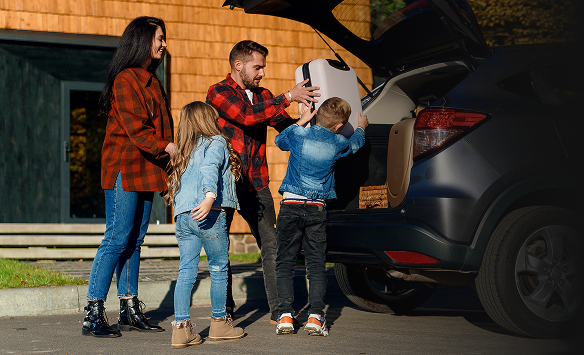
Remove unnecessary cargo from your trunk or cargo area. For SUVs, consider how roof boxes, trailers, passengers, and luggage affect the total load.
Never exceed the vehicle’s rated weight limits. Reducing unnecessary weight helps your brakes work within their intended operating conditions.
Brake Maintenance Tips That Help Prevent Premature Wear
Good driving habits cannot compensate for damaged or neglected components. Regular maintenance helps identify problems that may shorten the life of pads, rotors, calipers, and other braking parts.
Inspect Brake Pads and Rotors Regularly
Have your brakes checked at the intervals specified in your owner’s manual. Many shops can inspect accessible brake components during routine maintenance, although some designs require wheel removal for a complete assessment.
During an inspection, a technician may check:
- Brake pad thickness. Thin pads have less friction material remaining and may need replacement soon.
- Rotor condition. Deep grooves, cracking, severe corrosion, or thickness below specifications can affect braking performance.
- Uneven wear. One pad wearing faster than another may indicate a sticking caliper, seized slide pins, or another underlying problem.
- Caliper operation. The calipers must apply and release pressure correctly to avoid dragging brakes.
- Brake hoses and lines. Leaks, damage, or deterioration can compromise the hydraulic system.
These brake maintenance tips can help you identify problems before worn pads damage the rotors. Ask the technician to explain the measured pad thickness and any recommended work so you can make an informed decision.
Keep Brake Fluid in Good Condition
Brake fluid transfers hydraulic pressure from the pedal to the components that apply the brakes. Many brake fluids absorb moisture over time, which can lower their boiling point and contribute to corrosion within the system.
Follow your vehicle manufacturer’s recommended replacement interval and fluid specification. Some vehicles have a time-based interval, while others use different service requirements.
Low fluid can indicate a leak or substantial pad wear. Do not simply top it off without checking why the level has dropped.
Address Uneven Wear and Sticking Components
Brake pads should wear within the expected pattern for your vehicle. If one side wears significantly faster, replacing the pads alone may not solve the problem.
A technician may need to inspect caliper slide pins, pistons, brake hoses, hardware, and other components. Correcting the underlying fault helps protect replacement parts and restore normal braking operation.
Choose the Correct Replacement Parts
Brake pads differ in friction material, noise characteristics, dust production, heat tolerance, and intended use. Ceramic, semi-metallic, and other formulations each have advantages and trade-offs.
Choose components that meet your vehicle manufacturer’s specifications and suit your normal driving conditions. A pad marketed as long-lasting is not automatically the best option for every vehicle.
After replacement, follow the technician’s break-in instructions. Proper bedding-in helps establish an even friction surface between new pads and rotors.
Signs of Worn Brake Pads You Should Never Ignore
Brake components rarely benefit from waiting until a problem becomes severe. Learning the signs of worn brake pads helps you recognize when an inspection is needed.
- High-pitched squealing. Some pads use wear indicators that create a squeal when the friction material approaches its service limit. Moisture or surface rust can also cause temporary noise, so persistent squealing deserves attention.
- Metallic grinding. Grinding can indicate that the pad material has worn away and metal components are contacting the rotor. Stop driving when it is safe to do so and arrange urgent professional assessment.
- Vibration during braking. Pulsation through the pedal or steering wheel can result from rotor thickness variations, uneven deposits, or other issues that require diagnosis.
- Pulling to one side. The vehicle may pull because of uneven braking force, a sticking caliper, tire problems, or suspension issues.
- A soft or sinking pedal. This can signal a hydraulic fault or air in the brake system. Do not continue driving if the pedal feels unsafe.
- A brake warning light. Check the owner’s manual and respond promptly. A warning may indicate low fluid, a parking brake issue, or a fault in the braking system.
If you notice these symptoms, arrange an inspection rather than relying on driving adjustments to solve the problem. Brake maintenance is preventive care, but safety-related faults require diagnosis and repair.
How Driving Conditions Affect Brake Life
Two drivers can own the same vehicle and use identical replacement pads yet experience very different service lives. The conditions in which they drive help explain why.
City Driving and Stop-and-Go Traffic
Frequent intersections, congestion, and short trips require repeated braking. Drivers who regularly travel through busy urban areas may need brake service in Bridgeton, MO sooner than drivers who spend most of their time cruising at a steady highway speed.
Leave space in traffic and anticipate slowdowns where possible. However, never coast through an intersection or delay braking when traffic conditions require you to stop.
Rain, Winter Weather, and Road Salt
Rain reduces available tire grip, so drivers should slow down and increase following distance. Wet roads can also expose existing brake problems, while moisture may cause temporary surface rust on rotors after a vehicle sits.
In areas where roads are treated with winter salt, corrosion can affect brake hardware and other underbody components. Regular inspections help identify corrosion, seized hardware, and uneven wear before they become serious.
SUVs, Towing, and Heavy Loads
SUVs and trucks may place greater demands on their brakes because of their weight, especially when carrying passengers and cargo or towing a trailer.
Use the appropriate towing equipment and follow the vehicle’s load and towing limits. On long descents, select a suitable lower gear and avoid prolonged, unnecessary brake application.
How Often Should You Have Your Brakes Inspected?
There is no single inspection interval that fits every vehicle. Check your owner’s manual for the recommended schedule, and ask a qualified technician to consider your mileage, driving habits, and operating conditions.
Consider arranging an inspection when:
- Your vehicle reaches its scheduled brake maintenance interval.
- You hear persistent squealing or grinding.
- The brake pedal feels different from normal.
- Your vehicle pulls to one side when braking.
- You notice unusual vibration or a burning smell.
- You are preparing for a long trip, towing, or carrying a heavy load and have concerns about brake condition.
A professional inspection can also establish a baseline for future maintenance. Ask how much friction material remains, whether wear is even, and when the technician recommends checking the system again.
Protect Your Brakes With Help From Telle Tire & Auto Centers
Learning how to make brakes last longer starts with consistent habits and timely maintenance. Smooth driving, appropriate vehicle loading, and regular inspections can help reduce premature wear, but no technique can eliminate the need for eventual brake replacement.
For drivers in Bridgeton, Missouri, Telle Tire & Auto Centers can help assess brake wear, identify underlying mechanical problems, and determine which repairs your vehicle needs. A professional evaluation gives you a clearer picture of your braking system’s condition and helps you plan maintenance around safety and your budget.
Concerned about brake noise, pedal feel, or how much life remains in your brake pads? Contact Telle Tire & Auto Centers in Bridgeton to arrange a brake service in Bridgeton, MO. The team can help you understand the condition of your brakes and discuss the appropriate next steps.
Schedule your service at Telle Tire & Auto Centers in Bridgeton or use the online service scheduling page.
Take it to telle
Stay Safe with a Tire Check from Telle Tire
Worried about your tread depth or tire condition heading into the summer storm season? Take it to Telle. Our expert technicians can assess your tires, check pressure levels, and recommend replacements when necessary, helping you stay in control regardless of the weather conditions. Stay safe, stay prepared, and if you’re unsure about your tires, schedule a visit with your nearest Telle Tire & Auto Centers location today.
Stay Informed
Recent Articles from Telle Tire
How Weather Affects Tires in Tennessee: Tire Care Tips
Tennessee drivers deal with a wide range of weather throughout the year, from hot and humid summer days to heavy spring thunderstorms and occasional winter freezes.…
Best All-Season Tires Springfield MO: Top Buying Tips
Choosing the best all-season tires Springfield MO, drivers can rely on takes more thought than picking the most familiar brand. Springfield drivers deal with hot summer…

Transmission Fluid Change vs Flush: What Does Your Car Need?
Transmission fluid plays a key role in keeping your vehicle shifting properly, managing heat, and protecting internal components from wear. However, when your car needs transmission…