Steering Wheel Shaking on Highway, Tires or Alignment?
 Telle Tire 14 min read
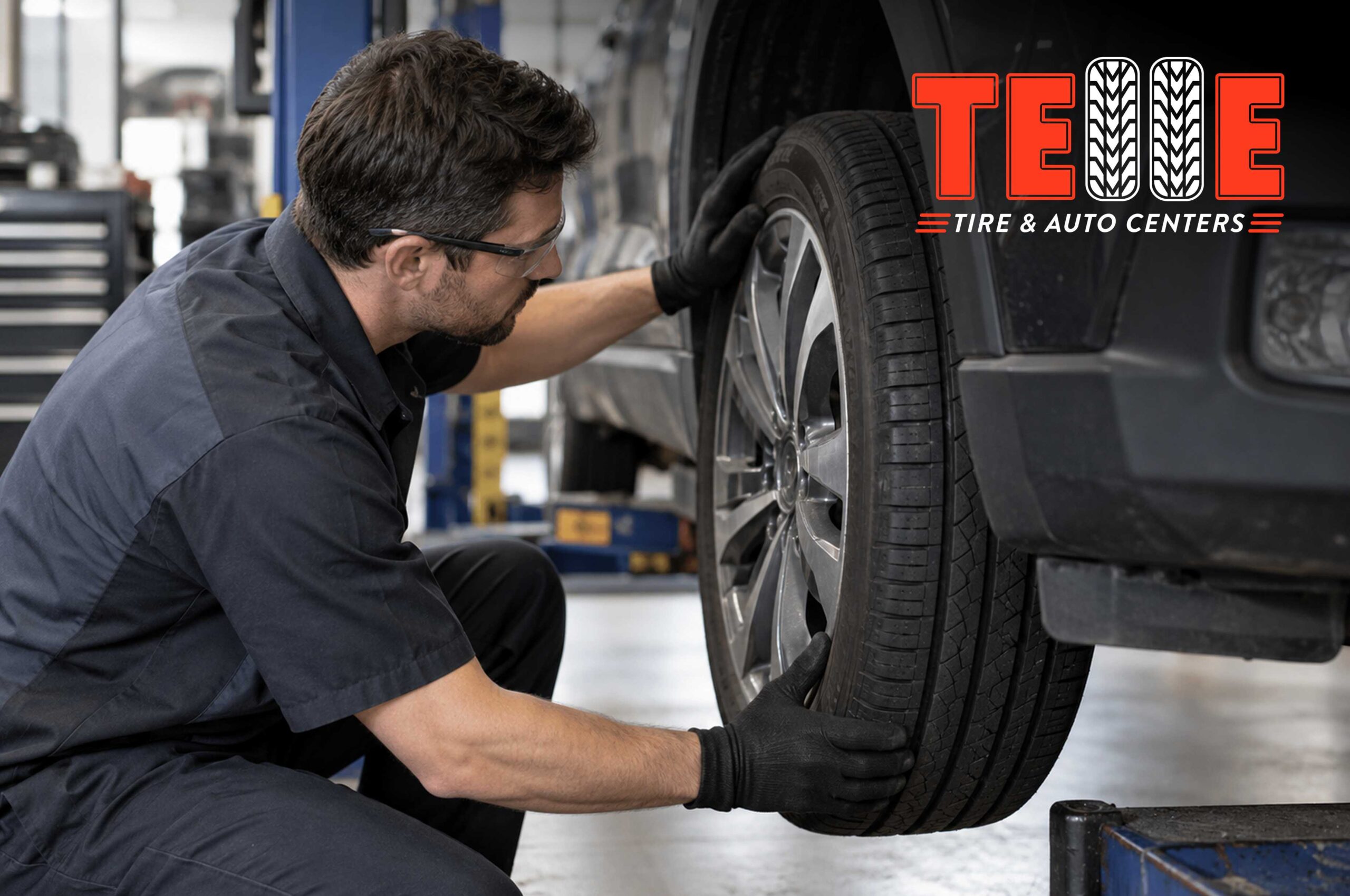
When your steering wheel starts shaking on the highway, even a familiar drive can become stressful. You may notice the vibration around 55 to 70 mph, feel the vehicle pulling to one side, or wonder if your tires are safe for another trip. The important thing is to identify the cause rather than guess which repair your car needs.
In many cases, a wheel-and-tire imbalance causes highway-speed vibration. Alignment problems can also affect how your vehicle tracks and how your tires wear, while damaged tires, worn suspension parts, and brake problems can produce similar symptoms. Knowing when the shaking happens helps narrow the possibilities.
For drivers in Liberty, Missouri, Telle Tire & Auto Centers can help investigate steering and tire concerns, identify the source of the vibration, and explain the appropriate next steps.
TL;DR – Steering Wheel Shaking on Highway Quick Guide
- Tire imbalance is a common cause. If your steering wheel vibrates at a particular highway speed, an unbalanced wheel or tire is a sensible place to start the inspection.
- Alignment problems have different warning signs. A vehicle that pulls to one side or develops uneven tire wear may need an alignment check.
- Tire damage requires prompt attention. Bulges, exposed cords, cuts, or a sudden change in vibration can indicate a potentially dangerous tire problem.
- Braking-related shaking needs a brake inspection. If the steering wheel vibrates primarily when you press the brake pedal, the braking system may be the cause.
- Do not ignore persistent vibration. Telle Tire & Auto Centers in Liberty can inspect the tires, wheels, brakes, steering, and suspension to help determine what needs attention.
Why Your Steering Wheel Shakes on the Highway
A steering wheel that shakes at highway speed usually indicates a problem involving the wheels, tires, or components that connect them to the vehicle. The exact cause depends on the speed at which the vibration starts, whether it happens during braking, and where you feel the shaking.
For example, a driver may notice a rhythmic steering wheel vibration at 60 mph that fades after slowing down. Another driver may experience a wobble after hitting a pothole or feel the steering wheel shake whenever the brakes are applied. These symptoms can point to different problems, so the timing matters.
What causes steering wheel shaking on highway roads?
The following issues are common possibilities that a technician may investigate.
- Unbalanced tires or wheels – Uneven weight distribution within a wheel-and-tire assembly can cause vibration as the wheel spins. The shaking may become noticeable at highway speeds, even when the vehicle feels smooth during slower city driving.
- Damaged or unevenly worn tires – Irregular tread wear, a damaged tire, or internal belt separation can make a tire roll unevenly. A bulge or sudden vibration warrants prompt attention, as tire damage can compromise vehicle control.
- Bent wheels – Potholes, curbs, and road debris can damage a wheel. Balancing alone will not correct a wheel that is physically bent or significantly out of round.
- Incorrect wheel alignment – Alignment angles that fall outside the vehicle manufacturer’s specifications can cause pulling, an off-center steering wheel, or uneven tire wear. Alignment problems may contribute to vibration through abnormal wear, although alignment alone is not the usual explanation for a speed-specific shake.
- Worn steering or suspension parts – Loose tie rods, worn ball joints, damaged bushings, or other deteriorated components can allow unwanted movement in the front end. These issues may also cause clunking, unstable handling, or uneven tire wear.
The key is to avoid assuming every vibration requires the same repair. A careful inspection can distinguish a straightforward balancing issue from a damaged tire or a mechanical problem that needs more attention.
Tire Balancing vs. Wheel Alignment
Tire balancing and wheel alignment are often confused because both affect ride quality and tire performance. However, they correct different problems, and choosing the right service depends on what the vehicle is doing.
How wheel balancing helps stop highway vibration
Wheel balancing corrects uneven weight distribution within the combined wheel-and-tire assembly. A technician uses a balancing machine to identify weight imbalances and applies appropriate counterweights to ensure the assembly rotates smoothly.
A balance check is especially relevant when:
- The steering wheel vibrates within a particular speed range.
- The vehicle was recently fitted with new tires.
- A wheel weight has fallen off.
- The vibration began after a tire or wheel service.
- You notice a recurring shake even though the tires appear properly inflated.
For example, a Liberty driver who notices vibration at 65 mph after driving over rough pavement may need the tires and wheels checked for imbalance or damage. The timing provides a useful clue, but it does not confirm the diagnosis by itself.
Professional wheel balancing in Liberty MO can help address imbalance when testing confirms it is responsible for the vibration. If the shake continues after balancing, the technician may need to investigate tire condition, wheel runout, mounting issues, and suspension components.
How wheel alignment affects handling and tire wear
Wheel alignment involves measuring and adjusting the angles of the wheels according to the vehicle manufacturer’s specifications. The main angles include toe, camber, and caster, where applicable.
Alignment deserves attention when you notice:
- The vehicle pulls to one side – The car consistently drifts on a reasonably level road, although tire pressure, road slope, and other faults can also contribute.
- The steering wheel sits off-center – You need to hold the wheel at an unusual angle to keep the vehicle traveling straight.
- Uneven tread wear – One edge of a tire wears faster than the other, or the tread develops an abnormal pattern.
- A recent impact – You hit a pothole or curb hard enough to raise concerns about the wheels or suspension.
- Handling changes – The vehicle feels less stable or responds differently when steering.
An alignment check can identify incorrect wheel angles, but it cannot balance an unevenly weighted tire or repair internal tire damage.
If you need wheel alignment in Liberty MO, a technician should also consider whether worn suspension parts or damaged wheels could prevent the alignment from holding correctly. Correcting the underlying mechanical problem may be necessary before final adjustments.
How to Tell Which Problem Your Car May Have
Pay attention to when the vibration occurs, what you feel, and whether anything changed before it started. These observations can help a technician choose the right diagnostic checks.
The steering wheel shakes at a certain speed
A vibration that appears at highway speeds and becomes less noticeable when you slow down often points to the wheel-and-tire assemblies. A lost balancing weight, uneven tire wear, or a bent wheel may be responsible.
This pattern is a useful clue rather than a definitive diagnosis. If balancing does not resolve the problem, the shop may need to examine the tires for defects and measure the wheels for excessive runout.
The vehicle pulls to one side
Pulling can indicate an alignment issue, but it can also result from unequal tire pressure, tire problems, brake drag, or suspension damage. Before scheduling an alignment, check tire pressures against the values listed on the driver’s door placard.
If the pull persists, a technician can check the tires, steering, suspension, and alignment angles. Correcting the actual cause is more effective than adjusting alignment without investigating other possible faults.
The steering wheel shakes when braking
When the steering wheel shakes when braking, the timing shifts attention toward the brake system. Brake rotor thickness variation or runout, uneven braking forces, and other brake component problems can cause vibration when the brakes are applied.
Notice whether the vibration occurs during light braking, firmer stops, or both. Do not perform high-speed tests to reproduce it. If braking feels unstable, the pedal pulses unusually, or the vehicle pulls sharply during a stop, arrange a prompt inspection and avoid continued driving if control or stopping ability is compromised.
You feel vibration through the seat or floor
Vibration felt mainly through the seat or floor can suggest a problem with a rear wheel or tire, although driveline and other mechanical components can produce similar symptoms.
The location of the vibration helps narrow the investigation, but it does not reliably identify one faulty part. A full inspection is more useful than replacing components based on feel alone.
What to Do When You Notice Tire Vibration at Highway Speeds
A new or persistent tire vibration at highway speeds should not be ignored, particularly if you drive a family car, SUV, or vehicle used for regular commuting. The following steps help you respond safely without attempting repairs on the roadside.
- Reduce speed smoothly. Avoid abrupt steering or braking. Move to a safe location when possible, considering traffic conditions and the vehicle’s condition.
- Watch for signs of tire damage. Once parked safely, look for a visible bulge, deep cut, exposed cords, or a visibly underinflated tire. Do not touch or attempt to repair a damaged tire that may be unsafe.
- Check for recent changes. Think about whether the vibration started after tire installation, a wheel rotation, a pothole impact, or a hard curb strike. This information can help narrow the scope of the inspection.
- Avoid another highway trip if the shaking is severe or sudden. A suspected tire failure, loose wheel, or major steering problem warrants professional assistance. Roadside help or towing may be the safer option.
- Arrange an inspection. A technician can examine the tires and wheels, check wheel balance, and inspect the steering, suspension, brakes, and alignment as needed.
These steps help you make a safer decision before the next drive. If the vehicle feels unstable or the vibration suddenly worsens, do not keep driving simply because the shaking disappears at a lower speed.
Why Tire and Suspension Inspections Matter
Balancing and alignment are important, but they are not substitutes for checking the parts that support and control the wheels. If the original cause remains, the vibration may continue even after a service.
A thorough inspection may include the following checks, depending on the symptoms.
- Tire condition and tread wear – The technician looks for irregular wear, cuts, bulges, tread separation, and other visible damage. Tire pressure and suitability for the vehicle also matter.
- Wheel condition and balance – The shop checks for missing weights, bends, mounting concerns, and imbalance. Additional measurements may be needed if a standard balance does not resolve the shake.
- Steering components – Tie rods, steering joints, and related parts may be checked for looseness or wear that affects control.
- Suspension components – Ball joints, bushings, control arms, and other parts may need inspection when the vehicle has clunks, uneven wear, or unstable handling.
- Braking components – If the vibration occurs during braking, the technician may inspect the rotors, pads, calipers, and related components.
- Wheel bearings and driveline components: Unusual noises, vibration patterns, or looseness may warrant additional checks beyond tires and alignment.
The findings should guide the repair recommendation. A technician may identify one clear cause, or several problems may need attention before the vehicle returns to normal operation.
Get Steering Wheel Shaking on Highway Problems Checked at Telle Tire
A shaking steering wheel can stem from several problems, and the right fix starts with identifying the cause. Wheel balancing may resolve an imbalance, alignment may correct handling and tire-wear issues, and damaged tires, brakes, or suspension parts may require separate repairs.
For drivers in Liberty, Missouri, Telle Tire & Auto Centers offers tire services and automotive care to help investigate these concerns. Addressing the problem promptly can help you make informed repair decisions and avoid continuing to drive with a potentially unsafe condition.
If you have noticed highway-speed vibration, uneven tire wear, or a steering wheel that no longer feels steady, schedule an inspection with Telle Tire & Auto Centers in Liberty.
Visit the Liberty location page for shop information or schedule a service appointment. Explain when the vibration occurs so the team can help determine the next steps for your vehicle.

Take it to telle
Stay Safe with a Tire Check from Telle Tire
Worried about your tread depth or tire condition heading into the summer storm season? Take it to Telle. Our expert technicians can assess your tires, check pressure levels, and recommend replacements when necessary, helping you stay in control regardless of the weather conditions. Stay safe, stay prepared, and if you’re unsure about your tires, schedule a visit with your nearest Telle Tire & Auto Centers location today.
Stay Informed
Recent Articles from Telle Tire
Tennessee Vehicle Maintenance Checklist for Reliable Driving
Owning a vehicle in Tennessee means dealing with changing road conditions, seasonal weather, and daily driving demands. A reliable car does not happen by accident. It…
Tire Age Limit Explained: When Should You Replace Old Tires?
Many drivers assume tires only need to be replaced when the tread wears down. While tread depth is important, tire age is another major factor that…

Springfield MO Tire Buying Guide for First-Time Buyers
Buying your first set of replacement tires can feel surprisingly complicated. Tire sizes, tread ratings, speed ratings, warranties, brands, and prices all compete for your attention.…