Tennessee Vehicle Maintenance Checklist for Reliable Driving
 ITServices@telletire.com 14 min read
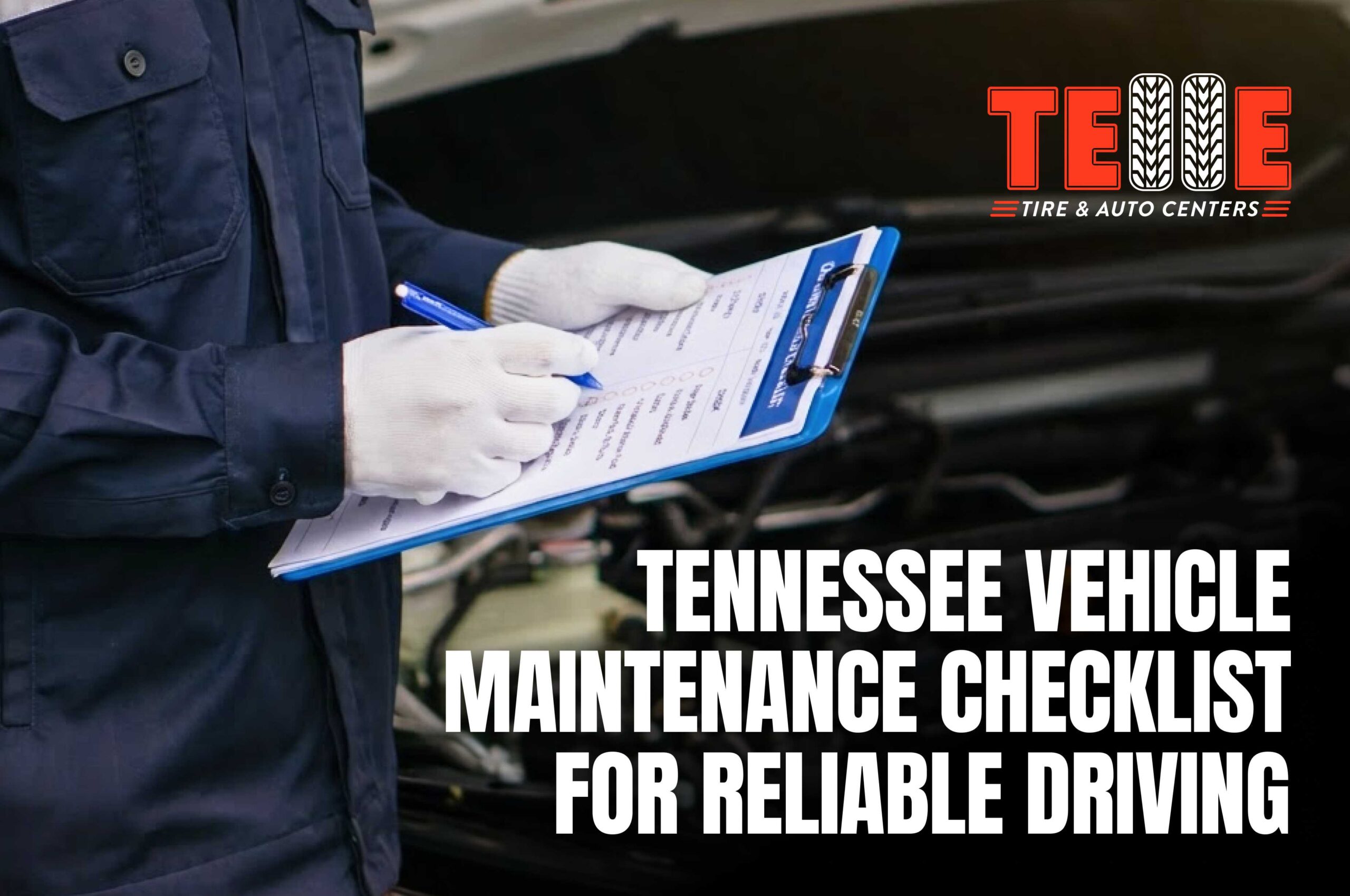
Owning a vehicle in Tennessee means dealing with changing road conditions, seasonal weather, and daily driving demands. A reliable car does not happen by accident. It comes from consistent care, timely inspections, and knowing which services deserve attention before problems appear.
A Tennessee vehicle maintenance checklist helps local drivers stay organized and protect their investment. Whether you drive to work every day, take weekend road trips, or rely on your SUV for family transportation, regular maintenance can help prevent unexpected breakdowns and expensive repairs.
Tennessee drivers experience hot summers, heavy rain, temperature swings, and occasional winter conditions. These changes can affect tires, batteries, fluids, brakes, and other important systems. Following a practical maintenance routine allows you to catch small concerns early and keep your vehicle performing confidently.
TL;DR – Tennessee Vehicle Maintenance Checklist for Reliable Driving
- A Tennessee vehicle maintenance checklist helps catch small issues before they become costly repairs.
- Regular checks of tires, brakes, and fluids help protect your vehicle on Tennessee roads.
- Seasonal maintenance prepares your car for changing weather conditions.
- Mileage-based service supports long-term vehicle reliability.
- Telle Tire & Auto Centers helps Tennessee drivers keep their vehicles safe and dependable.
Why Tennessee Drivers Need a Vehicle Maintenance Checklist
Many drivers think about maintenance only after a warning light appears or a vehicle starts making unusual noises. However, many expensive repairs begin as small issues that could have been discovered during routine service.
A maintenance checklist creates a simple system for staying ahead of wear and tear. It reminds drivers when to check fluids, inspect tires, replace filters, and schedule professional service.
A vehicle maintenance schedule varies by make and model, so your owner’s manual should always be your starting point. Professional automotive organizations also recommend following manufacturer guidelines while paying attention to driving habits and local conditions.
What Should Be Included in a Tennessee Vehicle Maintenance Checklist?
A complete checklist covers the systems that keep your vehicle safe, efficient, and comfortable. While every vehicle has unique requirements, most drivers should regularly monitor these important areas.
1. Check Engine Oil and Vehicle Fluids Regularly
Engine oil is one of the most important maintenance items because it protects moving engine components from excessive friction and heat. Driving with old or low oil can contribute to premature engine wear.
Your fluids also help different vehicle systems operate correctly. Low or contaminated fluids can impair performance and may cause damage if ignored.
Important fluids to monitor include:
- Engine oil – Check oil levels regularly and follow your manufacturer’s recommended oil change intervals. Clean oil helps your engine operate smoothly and efficiently.
- Coolant – Tennessee summers can bring high temperatures, putting additional stress on your cooling system. Proper coolant levels help prevent overheating during hot weather.
- Brake fluid – Brake fluid absorbs moisture over time, which can affect braking performance. Have it inspected during routine maintenance visits.
- Transmission fluid – Healthy transmission fluid supports smooth shifting and helps protect internal transmission components.
- Windshield washer fluid – Keeping washer fluid available improves visibility during rain, road spray, and seasonal weather changes.
Drivers looking for Tennessee car maintenance tips should make fluid checks part of their monthly routine. Spending a few minutes checking levels can help avoid inconvenient breakdowns later.
2. Inspect Tires for Tennessee Road Conditions
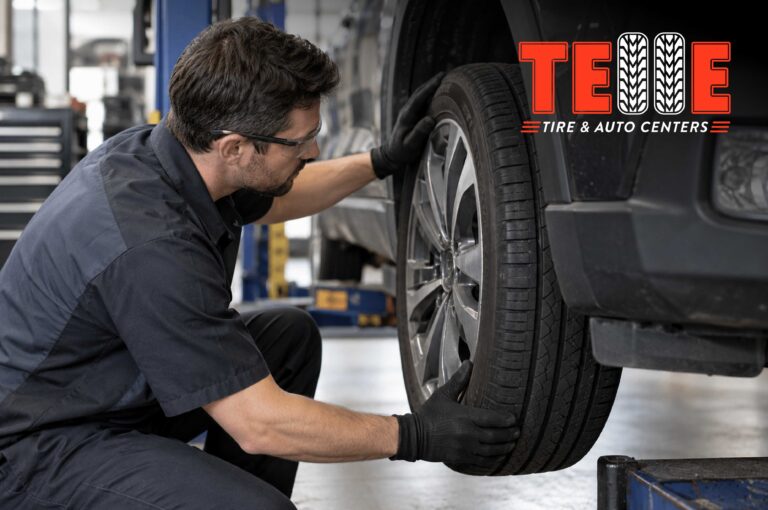
Your tires are the only part of your vehicle that directly contacts the road, making tire maintenance essential for safety and handling. Tennessee drivers may encounter everything from smooth highways to rough roads, construction areas, and changing weather conditions.
Proper tire care improves traction, fuel efficiency, and overall driving comfort. The Tennessee Driver License Manual also emphasizes that tire condition and correct inflation are important for safe vehicle operation.
Include these tire checks in your routine:
- Tire pressure – Check tire pressure at least once a month and before long trips. Incorrect inflation can cause uneven wear, reduced fuel economy, and handling concerns.
- Tread depth – Inspect tread regularly to make sure your tires can maintain traction during wet conditions.
- Visible damage – Look for cracks, bulges, punctures, or uneven wear patterns that may indicate a problem.
- Tire rotation – Regular tire rotations help tires wear evenly and can extend their usable life.
- Wheel alignment – Misalignment can cause your vehicle to pull to one side and create premature tire wear.
Tire problems often develop gradually, which makes routine checks valuable. A tire that looks acceptable at a glance may still have issues that affect performance and safety.
For drivers building a vehicle maintenance schedule in Tennessee, tire inspections should be among the most consistent habits, as road conditions and temperature changes can affect tire performance year-round.
3. Maintain Your Brakes Before Problems Appear
Your braking system is one of your vehicle’s most important safety features. Waiting until brakes make loud noises or feel different can increase repair costs and create unnecessary risks.
Brake inspections should be part of regular preventive maintenance, especially if you frequently drive in traffic, on hills, or in areas where frequent stopping is required.
Watch for these warning signs:
- Squealing or grinding sounds – Noise from your brakes may indicate worn brake components that need attention.
- Soft brake pedal – A pedal that feels unusual may indicate hydraulic or brake system issues.
- Longer stopping distance – Reduced braking performance should always be inspected.
- Steering wheel vibration while braking – This may indicate uneven brake wear or rotor concerns.
- Brake warning lights – Dashboard warnings should be checked promptly.
Regular brake inspections allow technicians to identify wear before it becomes a larger repair. This proactive approach helps drivers maintain confidence behind the wheel.
Tennessee drivers searching for preventive car maintenance in Tennessee should include brake checks alongside tire and fluid inspections because these systems work together to provide safe vehicle control.
4. Prepare Your Vehicle for Tennessee Weather Changes
Tennessee weather can change throughout the year, creating different challenges for vehicle owners. Summer heat can stress batteries and cooling systems, while colder temperatures can affect starting power and tire pressure.
Seasonal preparation helps your vehicle handle these changes more effectively.
Before each season, consider checking:
- Battery condition – Heat and cold can shorten battery life. Testing your battery before extreme temperatures can prevent unexpected starting problems.
- Cooling system performance – Inspect coolant levels, hoses, and signs of leaks before summer driving.
- Windshield wipers – Replace worn blades to maintain visibility during heavy rain.
- Air conditioning system – Ensure your A/C works properly before Tennessee’s hottest months.
- Emergency supplies – Keep basic safety items such as jumper cables, a flashlight, and tire tools available.
A seasonal approach makes maintenance easier because you can focus on the systems most affected by current driving conditions.
For many vehicle owners, a Tennessee auto repair services provider can help create a maintenance plan based on vehicle age, mileage, and driving patterns.
5. Follow a Mileage-Based Maintenance Routine
One of the easiest ways to stay consistent with vehicle care is by following mileage-based maintenance recommendations. Your vehicle manufacturer provides service intervals designed around how different components wear over time.
A mileage schedule gives drivers a clear reminder of when to inspect or replace important parts. It also helps first-time car owners understand what services matter beyond oil changes and basic repairs.
While exact intervals vary by vehicle, many maintenance schedules include:
- Every 5,000 to 7,500 miles – Many vehicles require oil changes, tire rotations, and general inspections around this range. These routine visits help identify developing issues before they become expensive repairs.
- Around 15,000 to 30,000 miles – Drivers may need air filter replacements, brake inspections, fluid checks, and additional system evaluations depending on manufacturer recommendations.
- Around 60,000 miles – Many vehicles require more detailed inspections, including transmission service, spark plug checks, and belt evaluations.
- Around 100,000 miles and beyond – Older vehicles often need closer attention to suspension components, cooling systems, batteries, and other aging parts.
- Annual inspections – Even if you drive fewer miles, yearly checks help identify problems caused by age, weather exposure, and time.
Following a maintenance timeline can help protect your vehicle’s value and reliability. Drivers who keep service records also make it easier to understand past repairs and plan future expenses.
6. Take Extra Care of High-Mileage Vehicles
Many vehicles on Tennessee roads have well over 100,000 miles, and reaching high mileage does not automatically mean a vehicle needs replacement. With proper care, many cars and SUVs can continue providing dependable transportation for years.
High-mileage vehicles simply require closer monitoring because components naturally experience more wear.
Important areas to watch include:
- Belts and hoses – Rubber components can become brittle, cracked, or weak over time. Replacing worn parts helps prevent sudden failures.
- Suspension components – Shocks, struts, and other suspension parts affect ride comfort and handling. Worn suspension can also contribute to uneven tire wear.
- Battery performance – Older batteries may struggle during temperature changes. Testing battery health helps prevent unexpected starting problems.
- Leaks and unusual noises – Small fluid leaks or new sounds may indicate developing issues that deserve inspection.
- Engine performance – Changes in acceleration, fuel economy, or idling can signal maintenance needs.
Many owners focus on major repairs while overlooking smaller warning signs. Regular inspections provide an opportunity to catch issues early and make informed decisions about vehicle care.
A complete Tennessee vehicle maintenance checklist is especially helpful for high-mileage drivers because it creates a repeatable system for tracking wear, repairs, and upcoming service needs.
7. Keep Up With Electrical System Maintenance
Modern vehicles depend heavily on electrical systems. Batteries, alternators, starters, sensors, and electronic components all work together to keep your vehicle operating properly.
Electrical problems can sometimes appear suddenly, leaving drivers unable to start their vehicle or operate important features.
Include these electrical checks in your maintenance routine:
- Battery testing – A battery test can measure remaining power and identify whether replacement may be needed soon.
- Alternator inspection – The alternator keeps the battery charged while powering electrical systems during operation.
- Starter performance – Slow cranking or clicking sounds may indicate starter or battery-related concerns.
- Exterior lighting – Headlights, brake lights, and turn signals should be checked regularly for safety.
- Dashboard warning lights – Warning indicators should be diagnosed instead of ignored because they often provide early alerts.
Electrical maintenance becomes increasingly important as vehicles age and technology becomes more advanced. A professional inspection can identify problems that may not be obvious during everyday driving.
Including electrical checks in your vehicle maintenance schedule in Tennessee can help drivers avoid inconvenient breakdowns and maintain confidence during daily commutes.
How Often Should Tennessee Drivers Maintain Their Vehicles?
The right auto maintenance schedule depends on several factors, including vehicle age, mileage, driving habits, and local conditions. A driver who travels long distances every week may need more frequent service than someone who only makes short trips.
A general maintenance routine may look like this:
- Monthly – Check tire pressure, inspect visible damage, and monitor fluid levels.
- Every few months – Review tire condition, listen for unusual sounds, and check dashboard warning lights.
- Every 5,000 to 7,500 miles – Schedule routine service based on your vehicle manufacturer’s recommendations.
- Before seasonal changes – Prepare your vehicle for temperature shifts, heavy rain, and changing road conditions.
- Once a year – Complete a professional inspection to identify hidden concerns.
Drivers should also adjust their schedule based on how they use their vehicles. Frequent towing, heavy traffic, mountain driving, and extreme temperatures can increase wear.
Keep Your Tennessee Vehicle Maintenance Checklist Updated With Telle Tire & Auto Centers
A reliable vehicle starts with consistent care. Following a Tennessee vehicle maintenance checklist helps drivers stay ahead of repairs, protect their investment, and enjoy safer driving throughout the year.
Whether you own a newer vehicle, a family SUV, or a high-mileage car, Telle Tire & Auto Centers can help you maintain the systems that keep you moving. Regular inspections and preventive care can make every mile more dependable.
Keep your vehicle ready for Tennessee roads with help from Telle Tire & Auto Centers. Schedule your maintenance service today and let our experienced team help you keep your car safe, reliable, and performing its best.

Take it to telle
Stay Safe with a Tire Check from Telle Tire
Worried about your tread depth or tire condition heading into the summer storm season? Take it to Telle. Our expert technicians can assess your tires, check pressure levels, and recommend replacements when necessary, helping you stay in control regardless of the weather conditions. Stay safe, stay prepared, and if you’re unsure about your tires, schedule a visit with your nearest Telle Tire & Auto Centers location today.
Stay Informed
Recent Articles from Telle Tire
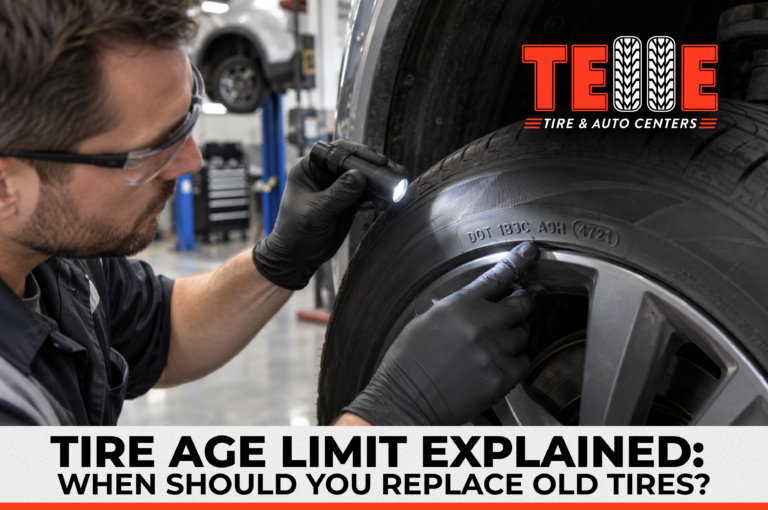
Tire Age Limit Explained: When Should You Replace Old Tires?
Many drivers assume tires only need to be replaced when the tread wears down. While tread depth is important, tire age is another major factor that…
Steering Wheel Shaking on Highway, Tires or Alignment?
When your steering wheel starts shaking on the highway, even a familiar drive can become stressful. You may notice the vibration around 55 to 70 mph,…
Springfield MO Tire Buying Guide for First-Time Buyers
Buying your first set of replacement tires can feel surprisingly complicated. Tire sizes, tread ratings, speed ratings, warranties, brands, and prices all compete for your attention.…