St Louis Driving Safety Tips for City & Highway Driving
 Telle Tire 14 min read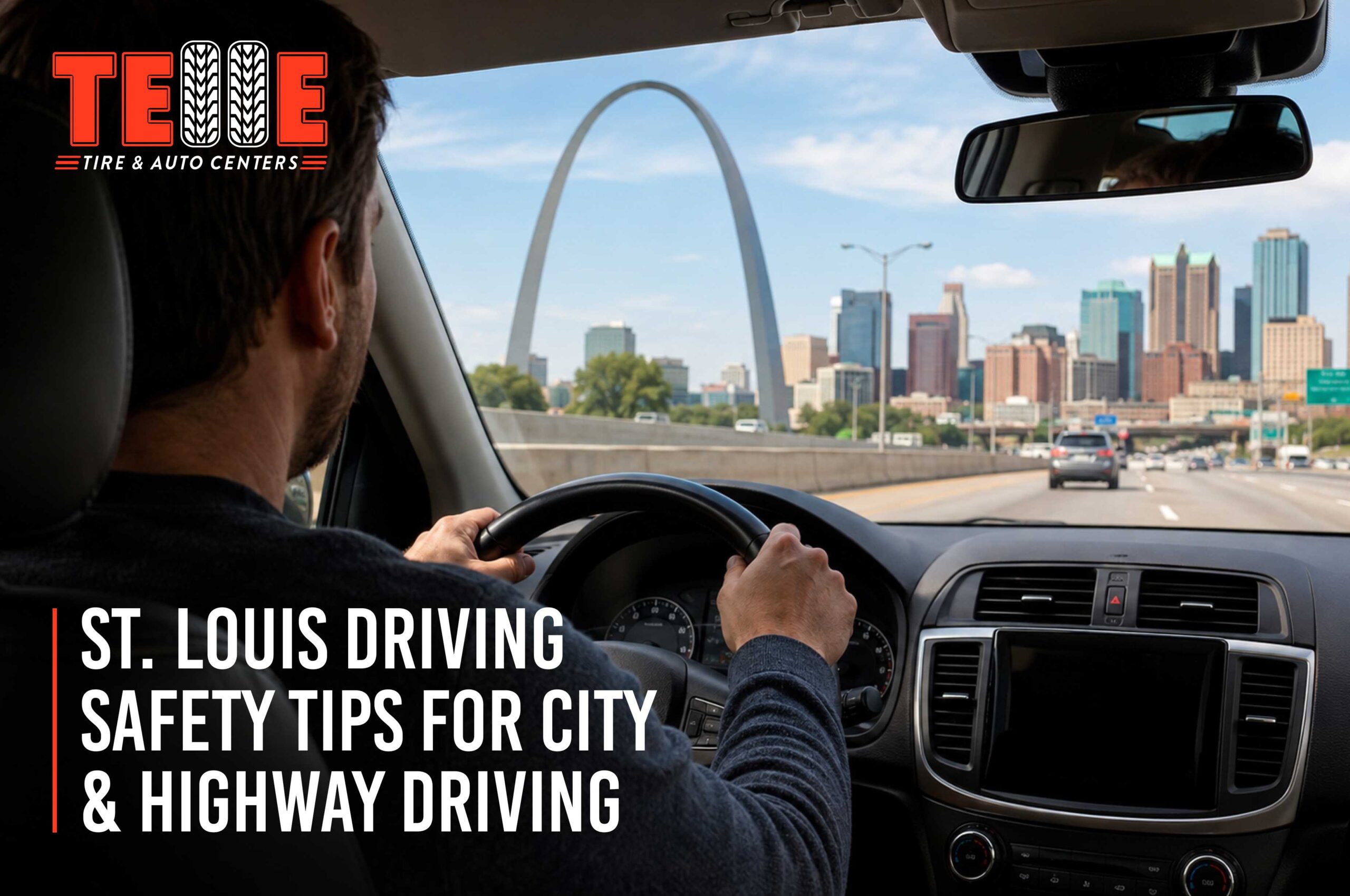
Driving in St. Louis means navigating a mix of busy city streets, major highways, changing weather, and unpredictable road conditions. Whether you commute daily, drive an SUV for your family, or recently became a vehicle owner, following reliable St Louis driving safety tips can help you stay confident and prepared behind the wheel.
From crowded highways like I-64, I-70, and I-270 to neighborhood streets with pedestrians, cyclists, and frequent stops, local drivers face many situations that require attention and preparation. Missouri weather can also change quickly, creating challenges such as heavy rain, icy roads, potholes, and reduced visibility.
At Telle Tire & Auto Centers, we understand that vehicle safety starts with both responsible driving habits and proper maintenance. A well-maintained vehicle with reliable tires, strong brakes, and regular inspections gives drivers greater control when road conditions become challenging.
TL;DR – St Louis Driving Safety Tips for Safer Driving
- Regular tire, brake, light, and fluid checks help prevent safety issues on St. Louis roads.
- Slowing down and increasing following distance during rain, ice, snow, or extreme temperatures improves driving control.
- Staying alert, avoiding distractions, and anticipating potential hazards helps reduce driving risks.
- Being prepared for potholes, heavy traffic, construction zones, and sudden stops helps drivers stay safer.
- Proper tire pressure, tread depth, and brake performance improve vehicle handling and stopping ability.
Why St Louis Driving Safety Tips Matter for Local Drivers
Driving safety involves more than following traffic laws. It also requires understanding the conditions you are likely to encounter every day. St. Louis drivers often travel through a variety of environments, from downtown traffic and residential neighborhoods to high-speed highways connecting different parts of the region.
Busy routes can create unique challenges. Highway congestion, frequent lane changes, construction zones, and sudden braking require drivers to stay focused and maintain sufficient space between vehicles.
Another important factor is Missouri’s changing weather. Hot summer temperatures can increase tire stress, while winter conditions can create slippery roads and dangerous driving situations. These seasonal changes make regular vehicle care an important part of staying safe.
Following practical St Louis road safety tips helps drivers make better decisions before and during every trip. Simple actions like checking tire pressure, replacing worn tires, and staying aware of road conditions can make a significant difference.
Common Driving Hazards in St Louis Drivers Should Know
St. Louis roads present different challenges throughout the year. Understanding common hazards allows drivers to prepare in advance rather than react at the last second.
Here are some of the most common situations local drivers should watch for:
Heavy Highway Traffic
Major highways around St. Louis can become crowded during morning and evening commutes. Traffic volume increases the chances of sudden braking, lane changes, and rear-end collisions.
Drivers should stay alert, avoid aggressive lane changes, and maintain a safe following distance. Giving yourself extra space provides more time to react if traffic suddenly slows.
Changing Weather Conditions
Missouri weather can shift quickly, creating unsafe driving conditions within a short period. Heavy rain can reduce visibility and increase the risk of hydroplaning, while freezing temperatures can make bridges and shaded roads slippery.
Drivers should adjust their speed based on conditions rather than relying solely on posted speed limits. A safe speed in clear weather may not be safe in heavy rain or on ice.
Potholes and Road Damage
Potholes are a common concern for drivers throughout Missouri, especially after winter weather. Hitting a large pothole can damage tires, wheels, suspension components, and vehicle alignment.
If you notice your vehicle pulling to one side, vibrating at higher speeds, or your steering feels different after hitting a pothole, scheduling an inspection can help prevent further problems.
Distracted Driving
Distractions can happen anywhere, including on city streets, in parking lots, and on highways. Checking a phone, adjusting navigation, or taking your attention away from the road for only a few seconds can increase your risk.
Keep your focus on driving and prepare your navigation, music, and climate controls before you begin your trip.
Unpredictable Drivers
Every driver has encountered someone speeding, changing lanes suddenly, or following too closely. While you cannot control other drivers, you can control your own response.
Avoid aggressive reactions and create space whenever possible. Staying calm and predictable helps reduce dangerous situations.
Understanding these hazards is one of the most practical St Louis driving safety tips because it allows drivers to prepare before problems happen.
St Louis Driving Safety Tips for City Roads
City driving requires a different approach than highway driving. Streets often include more intersections, pedestrians, parked vehicles, cyclists, and frequent stops.
Drivers who stay aware of their surroundings can reduce risks and handle busy areas more confidently.
Stay Alert Around Busy Intersections
Intersections are among the most common locations for accidents because multiple vehicles, pedestrians, and turning movements occur simultaneously.
Before entering an intersection, check that vehicles have stopped, watch for pedestrians crossing, and avoid rushing through yellow lights. Taking an extra second to scan your surroundings can prevent serious collisions.
Watch for Pedestrians and Cyclists
St. Louis neighborhoods and commercial areas often have pedestrians and cyclists sharing the road. Drivers should slow down near crosswalks, schools, parks, and busy shopping areas.
Always check mirrors and blind spots before turning or changing lanes. Extra awareness protects everyone using the road.
Adjust Driving for Neighborhood Roads
Residential streets may appear simple, but they often include children playing, parked vehicles, pets, and limited visibility.
Reduce your speed in neighborhoods and avoid distractions. A slower approach gives you more time to respond to unexpected situations.
Keep a Safe Following Distance
Following too closely limits your reaction time when traffic suddenly stops. This is especially important in city areas where vehicles frequently brake for intersections and pedestrians.
A good rule is to maintain several seconds of space between your vehicle and the car ahead, increasing that distance during rain or poor visibility.
Prepare Your Vehicle for Daily Driving
City driving involves frequent braking, turning, and stopping, which places regular stress on your tires and brakes.
Routine maintenance, including tire checks, brake inspections, and alignment services, helps ensure your vehicle responds properly when you need it most.
Safe city driving combines awareness, patience, and vehicle preparation. These habits help St. Louis drivers handle everyday situations with greater confidence.
Highway Safety Tips for St Louis Drivers
Highway driving around St. Louis requires confidence, awareness, and preparation. Roads such as I-64, I-70, I-44, and I-270 carry thousands of vehicles every day, creating situations where quick decisions and safe driving habits matter.
Unlike city streets, highways involve higher speeds, longer stopping distances, and vehicles traveling close together. Following practical safe driving tips in St Louis can help drivers reduce risks while commuting, traveling, or transporting family members.
Use Safe Merging Practices
Entering a highway safely requires patience and awareness. Many collisions happen when drivers merge too quickly, fail to check blind spots, or do not match the speed of highway traffic.
Before merging:
- Check your mirrors early – Look for approaching vehicles before entering the highway. Early awareness gives you more time to make a safe decision.
- Match traffic speed – Entering too slowly can create a dangerous speed difference between your vehicle and surrounding traffic. Use the acceleration lane to reach an appropriate speed before merging.
- Signal before changing lanes – Turn signals help other drivers understand your intentions. Giving drivers enough notice creates a safer traffic flow.
- Check blind spots carefully – Mirrors do not show every area around your vehicle. A quick shoulder check can help you avoid sideswipe accidents.
- Avoid sudden lane changes – Moving across multiple lanes quickly increases risk. Plan your route ahead and change lanes gradually.
Good highway habits help prevent unnecessary conflicts with other drivers. Staying predictable allows traffic around you to move more safely.
Maintain a Safe Highway Following Distance
High speeds require more stopping distance. If the vehicle ahead brakes suddenly, following too closely can leave you without enough time to react.
A safe following distance becomes even more important during rain, fog, nighttime driving, or heavy traffic. Wet roads can increase stopping distance and reduce tire traction.
Drivers should also avoid relying only on the vehicle ahead as a warning signal. Look farther down the road to identify brake lights, traffic slowdowns, or hazards before they become immediate problems.
Avoid Driving While Fatigued
Long commutes and road trips can leave drivers feeling tired, especially in the early morning or late evening. Fatigue slows reaction time and affects decision-making.
Before longer drives:
- Get enough rest before leaving
- Take breaks during extended trips
- Avoid driving when feeling drowsy
- Share driving responsibilities when possible
- Stay hydrated during long trips
A few minutes of rest can make a major difference in maintaining focus behind the wheel.
Handle Highway Emergencies Safely
Vehicle problems can happen unexpectedly, even with regular maintenance. Knowing what to do during an emergency can help protect you and other drivers.
If your vehicle experiences a problem:
- Move to a safe location away from traffic when possible
- Turn on hazard lights to alert other drivers
- Avoid standing near moving vehicles
- Contact roadside assistance if needed
- Have your vehicle inspected after the issue is resolved
Being prepared is one of the most valuable Missouri driving safety tips because emergencies can happen anywhere.
How St Louis Weather Affects Driving Safety
Weather conditions can change how your vehicle performs. Understanding how temperature, rain, and seasonal conditions affect your car is an important part of following St Louis road safety tips.
St. Louis experiences hot summers, heavy storms, freezing temperatures, and occasional winter precipitation. Each season creates different challenges for drivers.
Summer Heat and Tire Safety
Hot pavement and high temperatures can increase stress on your tires. Heat causes tire pressure to rise, while underinflated tires can experience additional strain.
Before summer road trips:
- Check tire pressure when tires are cold
- Inspect tires for cracks or damage
- Confirm your spare tire is ready
- Watch for unusual vibrations
- Schedule a tire inspection if you notice concerns
Proper tire care helps improve safety during long drives and in hot weather.
Heavy Rain and Hydroplaning Risks
Heavy storms can make St. Louis roads dangerous within minutes. Water buildup on roads can reduce tire contact with the pavement and increase the chance of losing control.
To improve safety during rain:
- Reduce your speed
- Increase following distance
- Avoid sudden braking
- Keep windshield visibility clear
- Check that tires have proper tread depth
Good tire condition is especially important during wet conditions because tread channels help move water away from the tire surface.
Winter Ice and Snow Conditions
Winter weather creates additional challenges for Missouri drivers. Ice can form quickly on bridges, shaded roads, and elevated surfaces.
Drivers should:
- Slow down during icy conditions
- Avoid sudden steering movements
- Increase following distance
- Remove snow and ice before driving
- Keep emergency supplies available
Preparing your vehicle before winter arrives can help you handle seasonal challenges with greater confidence.
Spring Storm and Flooding Concerns
Spring weather can bring heavy rain, strong winds, and occasional flooding. Standing water can hide road damage and create dangerous driving conditions.
Avoid driving through flooded areas when possible. Even a small amount of standing water can affect your vehicle’s control and create unexpected hazards.
Weather awareness is one of the most important St Louis driving safety tips because road conditions can change faster than drivers expect.
Stay Safe on St Louis Roads With Telle Tire & Auto Centers
Following reliable St Louis driving safety tips can help you handle everyday commutes, highway travel, and seasonal weather challenges with greater confidence. Safe driving involves making smart decisions behind the wheel and ensuring your vehicle is ready for the road ahead.
From tire inspections and brake services to routine maintenance, Telle Tire & Auto Centers helps St. Louis drivers keep their vehicles performing safely. A properly maintained vehicle gives you better control, improved reliability, and greater peace of mind wherever you travel.
Your safety starts with preparation. If your tires, brakes, or vehicle systems need attention, schedule an appointment with Telle Tire & Auto Centers today.
Book your service online and keep your vehicle ready for St. Louis roads.
Take it to telle
Stay Safe with a Tire Check from Telle Tire
Worried about your tread depth or tire condition heading into the summer storm season? Take it to Telle. Our expert technicians can assess your tires, check pressure levels, and recommend replacements when necessary, helping you stay in control regardless of the weather conditions. Stay safe, stay prepared, and if you’re unsure about your tires, schedule a visit with your nearest Telle Tire & Auto Centers location today.
Stay Informed
Recent Articles from Telle Tire
Tennessee Vehicle Maintenance Checklist for Reliable Driving
Owning a vehicle in Tennessee means dealing with changing road conditions, seasonal weather, and daily driving demands. A reliable car does not happen by accident. It…
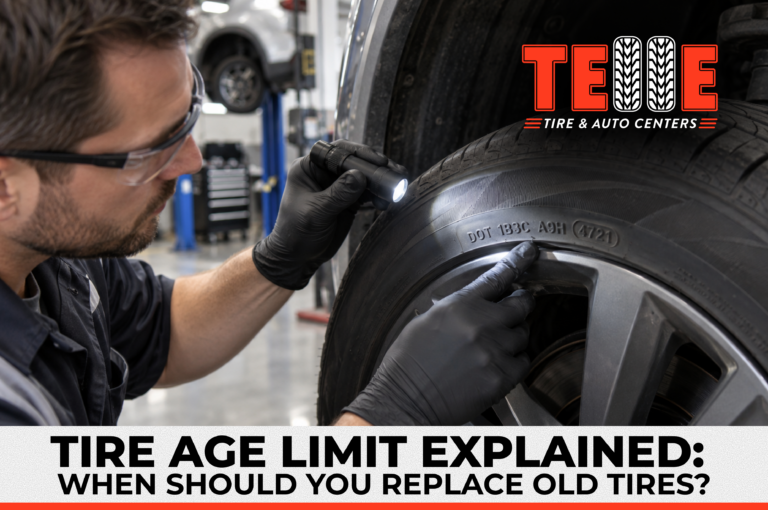
Tire Age Limit Explained: When Should You Replace Old Tires?
Many drivers assume tires only need to be replaced when the tread wears down. While tread depth is important, tire age is another major factor that…
Steering Wheel Shaking on Highway, Tires or Alignment?
When your steering wheel starts shaking on the highway, even a familiar drive can become stressful. You may notice the vibration around 55 to 70 mph,…