Early Signs You Need New Tires and Replacement Tips
 Telle Tire 11 min read
Driving on worn tires can affect handling, braking, and overall vehicle safety. Understanding the signs you need new tires helps drivers make informed decisions before small tire problems become expensive repairs or dangerous situations.
Your tires are the only part of your vehicle that maintains direct contact with the road. Regular inspections can help you catch problems early, improve performance, and feel more confident behind the wheel.
TL;DR – Signs You Need New Tires Before Your Next Drive
- Worn tread depth can signal tire replacement needs – Tires with low tread have less traction and may struggle to stop safely, especially on wet roads.
- Cracks, bulges, and visible damage require attention – Sidewall damage and aging signs can increase the chance of tire failure.
- Uneven wear patterns reveal possible problems – Alignment issues, improper inflation, or suspension concerns can shorten tire life.
- Frequent air loss may mean your tires need service – Tires that constantly lose pressure may have leaks, damage, or aging-related issues.
- Professional inspections help determine when to replace tires – A trusted tire technician can evaluate safety concerns and recommend the right solution.
Signs You Need New Tires You Should Never Ignore
Knowing the warning signs of tire wear can help you replace your tires before they affect your safety. Many drivers wait until they experience a flat tire or serious handling problem, but tires often show visible clues before reaching that point.
If you notice any of these issues, schedule a professional tire inspection to determine whether repair or replacement is the best option.
Low Tire Tread Depth
One of the most common signs you need new tires is reduced tread depth. Tire tread helps your vehicle maintain grip by moving water away from the contact surface.
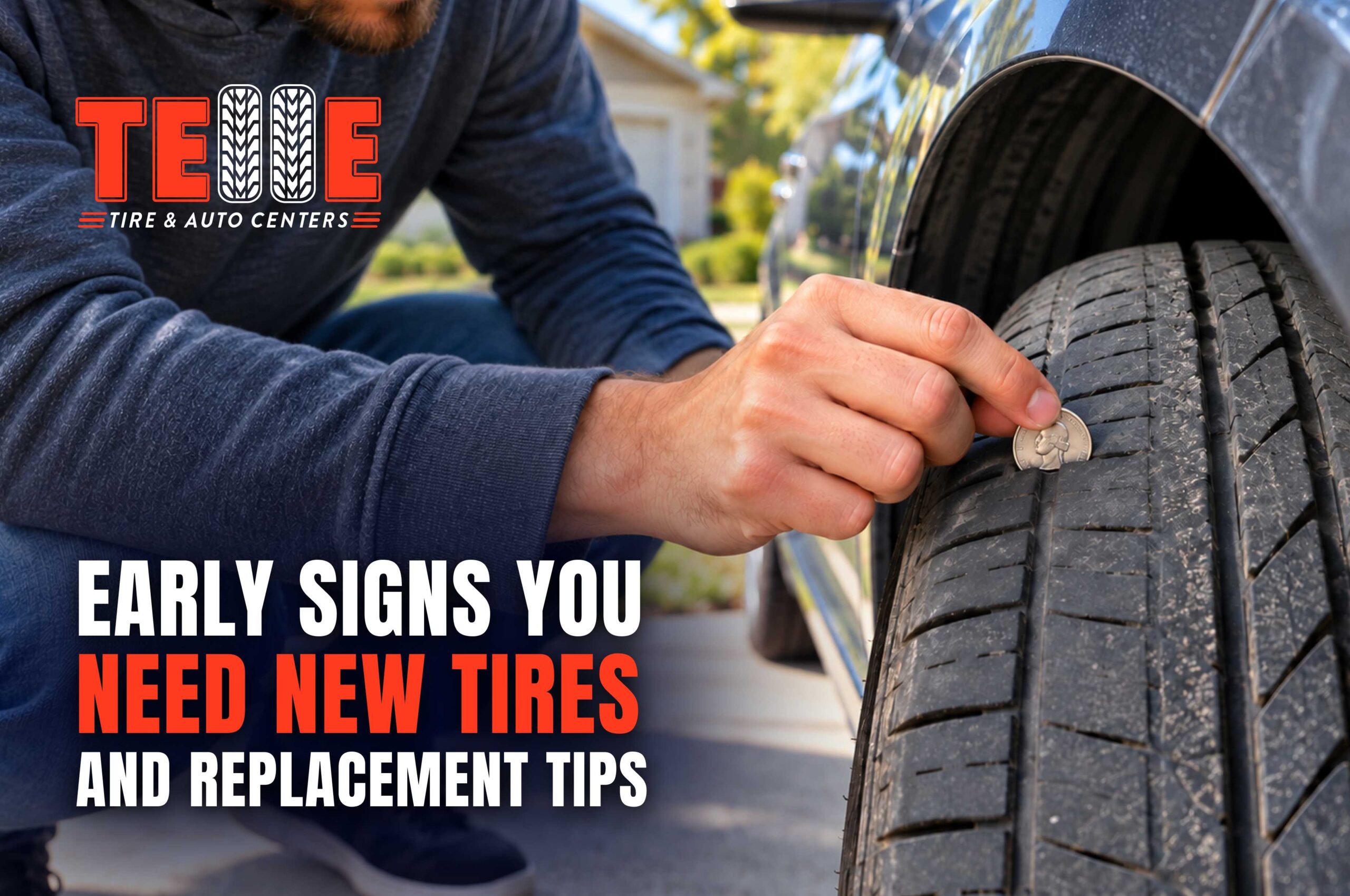
Most experts recommend replacing tires when tread depth reaches 2/32 of an inch. You can perform a simple tread check using the penny test, but a professional inspection provides a more accurate assessment.
- Visible tread wear indicators – Modern tires include wear bars that appear between tread grooves when the tire reaches the replacement point. These indicators show that your tire no longer has enough usable tread.
- Poor traction in wet conditions – Low tread depth reduces your tires’ ability to channel water away from the road. This can increase the risk of slipping or hydroplaning during rain.
- Longer stopping distances – Worn tires may require more distance to stop, especially during sudden braking situations. This can create safety concerns in busy traffic or emergency situations.
- Reduced handling performance – Tires with worn tread may feel less responsive when turning or changing lanes. Drivers may notice reduced control during highway driving or sharp turns.
- Visible wear across the tire surface – Uneven or shallow tread patterns are a clear signal that your tires should be inspected. A technician can determine if replacement is needed.
Checking your tread regularly is one of the easiest ways to monitor tire health. If you are unsure about your tire condition, a professional evaluation can provide peace of mind.
Cracks, Cuts, and Sidewall Damage
Visible damage on your tires should always be taken seriously. While some small issues can be repaired, certain types of damage require tire replacement for safety reasons.
- Cracks in the rubber – Small cracks along the sidewall or tread area can develop as tires age. These cracks may indicate that the rubber is becoming less flexible and more vulnerable to damage.
- Bulges or bubbles on the sidewall – A bulge often means the internal tire structure has been damaged. Driving on a tire with a sidewall bubble can increase the risk of a blowout.
- Deep cuts or punctures – Some punctures can be repaired, but damage near the sidewall or large cuts may require replacement. A technician can inspect the damage and recommend the safest option.
- Exposed cords or internal materials – If you can see tire cords or layers underneath the rubber, the tire should be replaced immediately. This indicates serious structural damage.
- Damage after hitting potholes or curbs – Strong impacts can weaken tires even when damage is not immediately visible. An inspection after a major impact can help identify hidden problems.
Tire damage can develop slowly, which makes routine inspections important. Checking your tires every few weeks can help you catch problems before they affect your driving safety.
When to Replace Tires Based on Age and Mileage
Many vehicle owners ask when to replace their tires because tire lifespan depends on more than just mileage. Driving habits, climate, storage conditions, and maintenance all influence how long tires remain safe.
Even tires with plenty of tread may need replacement as they age.
Factors That Affect Tire Lifespan
- Driving habits – Frequent hard braking, aggressive cornering, and heavy acceleration can cause faster tire wear. Gentle driving habits can help extend tire life.
- Road conditions – Rough roads, potholes, and construction areas can put additional stress on tires. Drivers who regularly travel in these conditions may need more frequent inspections.
- Weather exposure – Extreme heat, cold temperatures, and sunlight can affect tire rubber over time. Seasonal changes can accelerate aging and cracking.
- Vehicle maintenance – Proper alignment, balancing, and tire rotations help tires wear evenly. Skipping routine maintenance can shorten tire lifespan.
- Storage conditions – Vehicles that sit unused for long periods may develop tire aging issues. Tires can deteriorate even when they are not driven frequently.
A common recommendation is to inspect tires regularly after five years and consider replacement as they approach older age ranges depending on manufacturer guidance. A professional inspection can help determine whether your tires are still safe.
Other Warning Signs Your Tires May Need Replacement
Some tire problems are easier to notice while driving rather than during a visual inspection. Changes in how your vehicle feels can provide important clues.
These driving symptoms may indicate that your tires need attention.
- Constant vibration while driving – Steering wheel vibrations may point to tire imbalance, uneven wear, or internal tire damage. A technician can determine the cause and recommend the right repair.
- Vehicle pulling to one side – Pulling may indicate alignment problems or uneven tire wear. Addressing the issue early can prevent additional tire damage.
- Frequent pressure loss – Tires that repeatedly lose air may have leaks, valve issues, or structural problems. Maintaining proper inflation is essential for safety and fuel efficiency.
- Road noise changes – Increased humming or unusual tire sounds may indicate uneven wear patterns. These changes should be inspected if they continue.
- Poor steering response – Tires affect how your vehicle handles turns and road surfaces. Reduced responsiveness can be a warning sign that your tires need attention.
Paying attention to these changes helps you identify potential tire problems earlier. Small warning signs can provide valuable information about your vehicle’s condition.
How Tire Replacement Service Helps Protect Your Vehicle
When your tires reach the end of their useful life, professional installation ensures your vehicle receives the correct fit and setup. Choosing the right tires involves considering your vehicle type, driving style, and local road conditions.
A quality tire replacement service provides more than installing new rubber on your wheels.
What Happens During Professional Tire Replacement
- Tire inspection before replacement – Technicians evaluate your current tires, wheel condition, and vehicle needs. This helps confirm whether replacement is necessary.
- Proper tire selection – Experts can recommend tires based on performance, durability, comfort, and budget. The right choice improves your overall driving experience.
- Professional installation – Correct mounting and balancing help your new tires perform properly. Improper installation can lead to uneven wear and handling issues.
- Wheel alignment checks – Alignment problems can damage new tires quickly. Checking alignment helps protect your investment.
- Maintenance recommendations – Technicians can provide guidance on rotations, inflation checks, and future inspections. Regular care helps extend tire life.
Professional tire service gives drivers confidence that their vehicle is prepared for daily driving. Working with experienced technicians can also help prevent unnecessary tire expenses in the future.
Choosing New Tires for Your Vehicle
Finding new tires for your vehicle requires considering several factors beyond price. Different tires are designed for different driving conditions, vehicle types, and performance needs.
SUV drivers, commuters, and first-time car owners may have different priorities when selecting replacement tires.
Consider these factors before making a purchase:
- Vehicle specifications – Your owner’s manual provides recommended tire sizes and ratings. Installing the correct tire type helps maintain safety and performance.
- Driving conditions – Consider whether you drive mostly on highways, city streets, rural roads, or in changing weather conditions.
- Tire durability – Some tires are designed for longer tread life, while others focus on comfort or performance.
- Seasonal needs – Drivers in areas with changing weather may benefit from tires designed for specific conditions.
- Professional recommendations – Tire experts can help match your vehicle needs with available options.
The right tires can improve comfort, control, and confidence on the road. Taking time to choose wisely helps you get better value from your investment.
Get Reliable Tire Replacement Service With Telle Tire & Auto Centers
Recognizing the signs you need new tires can help you protect your vehicle, improve safety, and avoid unexpected tire problems. Regular inspections and timely replacement can make every drive more comfortable and confident.
Telle Tire & Auto Centers helps drivers find dependable tire solutions with professional inspections, expert recommendations, and quality service. Our technicians are ready to help you understand your tire condition and choose the right replacement options for your vehicle.
If you are noticing worn tread, tire damage, vibration, or other warning signs, schedule an appointment with Telle Tire & Auto Centers today. Visit https://www.telletire.com/schedule-service/ to book your tire inspection and get expert guidance from a trusted local tire team.

Take it to telle
Stay Safe with a Tire Check from Telle Tire
Worried about your tread depth or tire condition heading into the summer storm season? Take it to Telle. Our expert technicians can assess your tires, check pressure levels, and recommend replacements when necessary, helping you stay in control regardless of the weather conditions. Stay safe, stay prepared, and if you’re unsure about your tires, schedule a visit with your nearest Telle Tire & Auto Centers location today.
Stay Informed
Recent Articles from Telle Tire
Tennessee Vehicle Maintenance Checklist for Reliable Driving
Owning a vehicle in Tennessee means dealing with changing road conditions, seasonal weather, and daily driving demands. A reliable car does not happen by accident. It…
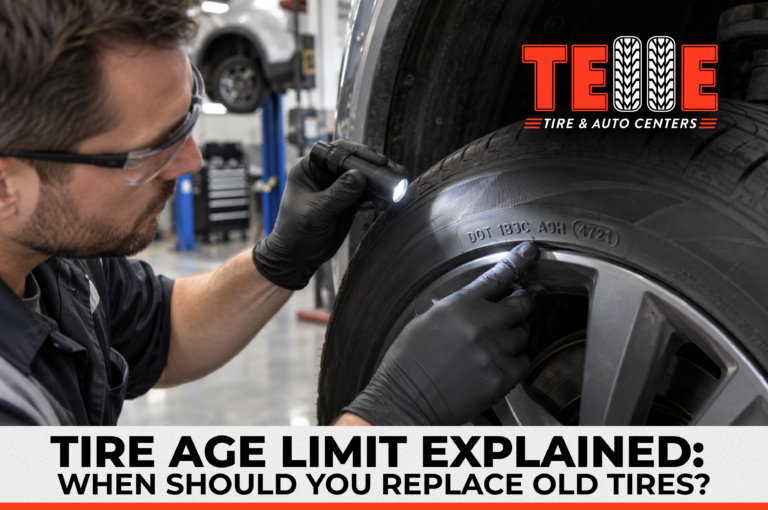
Tire Age Limit Explained: When Should You Replace Old Tires?
Many drivers assume tires only need to be replaced when the tread wears down. While tread depth is important, tire age is another major factor that…
Steering Wheel Shaking on Highway, Tires or Alignment?
When your steering wheel starts shaking on the highway, even a familiar drive can become stressful. You may notice the vibration around 55 to 70 mph,…