Missouri Tire Maintenance Tips for Better Tire Safety
 ITServices@telletire.com 15 min read
If you drive regularly in Missouri, your tires deal with a little bit of everything. Hot summer pavement, heavy rain, freezing mornings, changing temperatures, potholes, highway miles, and long road trips can all affect tire condition.
Following reliable Missouri tire maintenance tips can help you catch problems before they become expensive repairs or dangerous roadside emergencies. Even simple habits, such as checking inflation pressure and looking for uneven tread wear, can make a meaningful difference in how your vehicle handles.
Tires are also easy to overlook because problems often develop gradually. A tire may slowly lose air, develop uneven wear, or sustain internal damage without immediately causing an obvious warning.
That is why regular inspections matter. NHTSA reports that properly inflated tires can extend average tire life by about 4,700 miles, while proper rotation, balancing, and alignment can also help tires wear more evenly.
TL;DR – Missouri Tire Maintenance Tips at a Glance
- Check tire pressure regularly – Perform Missouri tire pressure checks at least monthly and before long trips, using the vehicle manufacturer’s recommended PSI.
- Inspect tread and sidewalls – Check tire tread depth and look for cuts, cracks, bulges, punctures, and other signs of damage.
- Rotate your tires as recommended – Routine tire rotation in Missouri can help reduce uneven wear and maximize the useful life of your tires.
- Pay attention to alignment symptoms – Wheel alignment in Missouri may be needed if your vehicle pulls, the steering wheel sits crooked, or your tires wear unevenly.
- Adapt to Missouri weather – Heat, rain, cold temperatures, and changing road conditions can all affect tire pressure, traction, and wear.
Why Missouri Tire Maintenance Tips Matter
Missouri drivers face changing conditions throughout the year. A tire that performs well on a dry summer afternoon may face very different demands during a freezing morning or heavy rainstorm.
Temperature changes are especially important. Tire pressure naturally changes as temperatures rise and fall, so a pressure reading that was correct during one season can change as weather conditions shift.
Missouri roads can also expose tires to potholes, rough pavement, construction debris, curbs, and other hazards. A hard impact can damage a tire or wheel even when there is no immediate flat.
The best approach is to make tire care part of your normal vehicle routine. A few minutes of inspection each month can help you spot developing problems while there is still time to address them.
Missouri Tire Maintenance Tips for Checking Tire Pressure
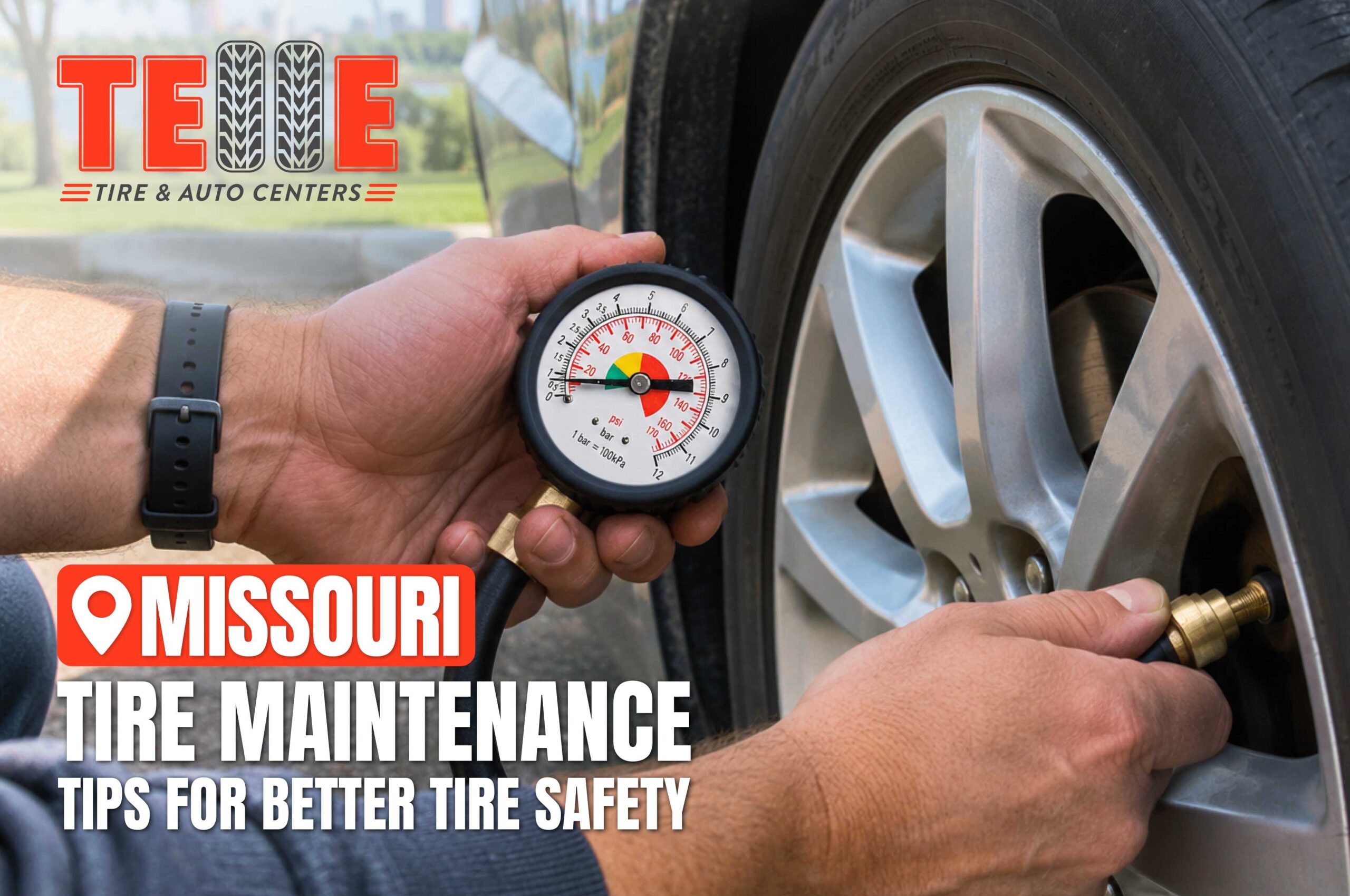
Correct tire inflation is one of the simplest ways to protect your tires and improve everyday driving. Tire pressure affects handling, braking, fuel economy, tread wear, ride comfort, and the amount of heat that builds up inside a tire while you drive.
For Missouri drivers, regular pressure checks are especially important because temperatures can change significantly between seasons and even from one day to the next. A tire that was properly inflated during a mild afternoon may have a different pressure reading after a cold morning.
NHTSA recommends checking tire pressure at least once a month and before long trips, with the tires cold for the most accurate reading. The correct PSI can be found on your vehicle’s tire information label, usually located on the driver’s doorjamb, or in the owner’s manual.
Here are the habits that make a difference.
- Check pressure when tires are cold – Park the vehicle for several hours before measuring pressure whenever possible. Driving heats the tires and can temporarily increase the pressure reading, which may give you an inaccurate idea of the tire’s actual cold pressure.
- Use the vehicle’s recommended PSI – Look at the driver’s doorjamb label or owner’s manual rather than using the maximum PSI printed on the tire sidewall. The sidewall number indicates the tire’s maximum pressure capacity, while your vehicle manufacturer’s recommended PSI is designed for the vehicle’s specific weight, handling, and tire requirements.
- Check all four tires – Do not assume the tires have equal pressure because they look similar. Check each tire individually, and remember to inspect the spare when your vehicle is equipped with one. A tire can gradually lose air without appearing visibly flat.
- Pay attention to repeated pressure loss – If one tire continually needs air, there may be a puncture, damaged valve stem, wheel issue, or another type of leak. Adding air repeatedly may temporarily correct the pressure but does not address the underlying problem.
- Check before road trips – Highway travel puts additional miles and heat into your tires. Make pressure checks part of your preparation before traveling across Missouri or taking longer interstate trips, particularly when your vehicle will be carrying several passengers or additional cargo.
- Monitor pressure when temperatures change – Tire pressure naturally changes with temperature. When Missouri moves from warm weather into colder conditions, check your tires again instead of assuming the previous pressure reading is still accurate.
- Inspect the tires while checking pressure – Use the pressure check as a quick opportunity to look for nails, screws, cracks, bulges, cuts, or unusual tread wear. Finding a problem early can help prevent a small tire issue from becoming a roadside emergency.
- Take the TPMS warning seriously – If the tire pressure monitoring system warning light comes on, check your tire pressure as soon as it is safe to do so. If the pressure is low again after inflation, have the tire inspected for a possible leak rather than repeatedly resetting the warning.
Consistent Missouri tire pressure checks can help you maintain more predictable handling and reduce unnecessary tire wear. They also give you an easy opportunity to catch slow leaks and visible damage before you put additional miles on the vehicle.
For busy families, SUV drivers, and first-time car owners, keeping a small tire pressure gauge in the vehicle can make this routine easier. A monthly reminder on your phone or calendar can also help turn tire pressure checks into a simple maintenance habit rather than something you remember only after a warning light appears.
How to Check Tire Tread Depth
Tread provides the traction your vehicle needs for accelerating, cornering, and braking. It also helps move water away from the contact area between the tire and the road.
As tread wears down, wet-weather performance can decline. This matters in Missouri because heavy rain can quickly create slick roads and standing water.
Use these inspection habits to stay ahead of problems.
- Measure the tread in several places – Wear is not always uniform across a tire. Check the inner, center, and outer portions of the tread instead of relying on one measurement.
- Look for tread wear indicators – Most passenger tires have raised wear bars inside the main grooves. When the tread reaches those indicators, the tire has reached its wear limit and needs replacement.
- Watch for uneven wear – Excessive wear on one edge, cupping, or patches of unusually worn tread can point to alignment, balancing, suspension, inflation, or rotation problems.
- Inspect for embedded objects – Nails, screws, glass, and other debris can cause a slow leak. Avoid pulling out an embedded object yourself before the tire is professionally assessed.
- Check before wet-weather travel – Good tread condition becomes particularly important when rain is in the forecast. If your tires are worn or damaged, wet roads can make an existing traction problem much more noticeable.
When checking tire tread depth, remember that tread depth is only one part of tire condition. A tire can have usable tread and still require replacement because of age, sidewall damage, cracking, internal damage, or other defects.
How Often Should Tires Be Rotated in Missouri
Tires do not necessarily wear at the same rate. Front tires can experience greater wear because they often handle much of the steering and braking, particularly on front-wheel-drive vehicles.
Regular tire rotation in Missouri can help distribute that wear more evenly. NHTSA recommends following the vehicle manufacturer’s rotation schedule, with many vehicles calling for rotation around every 5,000 to 8,000 miles. Some vehicles have different requirements or cannot use a conventional rotation pattern, so your owner’s manual should take priority.
Keep these points in mind.
- Follow your manufacturer’s schedule – Your vehicle’s recommended rotation interval is the best starting point. Driving conditions and tire wear can sometimes justify an inspection sooner.
- Rotate during routine maintenance – Pairing rotation with another scheduled service can make it easier to remember. Telle Tire also provides tire rotation as part of its tire-care services.
- Inspect wear while rotating – Rotation provides a useful opportunity to examine the tires for irregular wear, damage, and pressure problems.
- Know when rotation may not apply – Some vehicles use different front and rear tire sizes or directional tires that limit rotation options. Always follow the manufacturer’s instructions.
- Do not ignore uneven wear – If tires continue wearing unevenly after rotation, the underlying problem may involve alignment, balancing, suspension components, or inflation.
Routine tire rotation in Missouri is especially valuable for drivers who accumulate substantial highway mileage. It can also help you identify developing problems before they shorten the life of an otherwise good set of tires.
When Do You Need Wheel Alignment in Missouri
A wheel alignment affects how your vehicle’s wheels sit relative to one another and the road. When alignment angles move away from specifications, tires can develop uneven wear and the vehicle may become more difficult to control.
Potholes, curbs, road impacts, worn suspension components, and normal vehicle use can contribute to alignment problems.
Watch for these warning signs.
- Your vehicle pulls to one side – If your car consistently drifts left or right on a reasonably level road, have the steering and alignment checked rather than constantly correcting the wheel.
- The steering wheel is crooked – A steering wheel that sits noticeably off-center while driving straight can indicate an alignment concern.
- Your tires wear unevenly – Excessive wear on one edge can indicate an alignment or suspension problem that deserves professional diagnosis.
- The vehicle feels unstable – Changes in steering response, tracking, or road manners can indicate that something in the wheel, tire, steering, or suspension system needs attention.
- You recently hit a pothole – A significant impact can affect wheels, tires, steering, or suspension. An inspection can determine whether the impact caused hidden damage.
Getting wheel alignment in Missouri checked after a significant road impact can be a smart preventive step. Telle Tire notes that alignment can help prevent premature tire wear, while common symptoms include pulling, uneven wear, and a crooked steering wheel.
How Missouri Weather Affects Your Tires
Missouri’s changing weather makes tire maintenance a year-round responsibility. Summer heat can increase tire temperatures, while cold weather can reduce inflation pressure.
Rain creates another challenge. Tires need sufficient tread to maintain traction and move water away from the contact patch.
Here is what to watch throughout the year.
- Hot summer pavement – High temperatures and long highway drives can put additional thermal stress on tires. Inspect the sidewalls and tread before extended summer travel.
- Heavy rain – Worn tread can reduce a tire’s ability to channel water away. Slow down when roads are wet and avoid driving through standing water whenever possible.
- Cold temperatures – Tire pressure generally drops as temperatures fall. Check pressure more frequently when Missouri experiences significant temperature changes.
- Freezing conditions – Cold weather can make already-damaged or underinflated tires more problematic. Inspect tires before winter driving and longer holiday trips.
- Rapid weather changes – Missouri can move from warm conditions to cold or wet weather quickly. Regular inspections help ensure your tires are ready for those changes.
These seasonal Missouri tire maintenance tips become even more important if you regularly travel between cities, drive rural roads, or take long interstate trips.
Stay Safer With Missouri Tire Maintenance Tips From Telle Tire
Good tire care starts with small habits. Regular pressure checks, tread inspections, rotations, alignment checks, and visual inspections can help Missouri drivers catch problems before they turn into expensive repairs or roadside emergencies.
Weather and road conditions will always be outside your control, but tire condition is something you can monitor. If your tires are showing unusual wear, losing air, vibrating, or approaching the end of their service life, getting professional advice gives you a clearer path forward.
Telle Tire & Auto Centers has served drivers for more than 84 years and currently operates locations throughout Missouri, including the St. Louis, Kansas City, Springfield, and Tennessee areas. When your tires need an inspection, repair, rotation, alignment, or replacement, you can find a nearby location and schedule service with the Telle team.
Ready to take care of your tires? Schedule service with Telle Tire & Auto Centers and have your tires checked by experienced automotive professionals.

Take it to telle
Stay Safe with a Tire Check from Telle Tire
Worried about your tread depth or tire condition heading into the summer storm season? Take it to Telle. Our expert technicians can assess your tires, check pressure levels, and recommend replacements when necessary, helping you stay in control regardless of the weather conditions. Stay safe, stay prepared, and if you’re unsure about your tires, schedule a visit with your nearest Telle Tire & Auto Centers location today.
Stay Informed
Recent Articles from Telle Tire
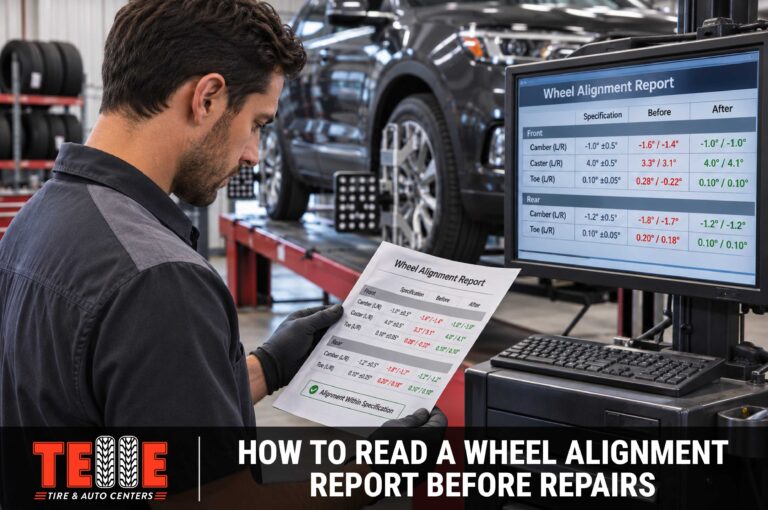
How to Read a Wheel Alignment Report Before Repairs
A wheel alignment report can look confusing when you first see rows of numbers, red and green boxes, and unfamiliar terms. However, understanding a few key…

Tennessee Road Conditions And Tire Wear: Protect Your Tires
Driving in Tennessee means experiencing a wide variety of road conditions throughout the year. From busy highways and city streets to rural roads with uneven pavement,…
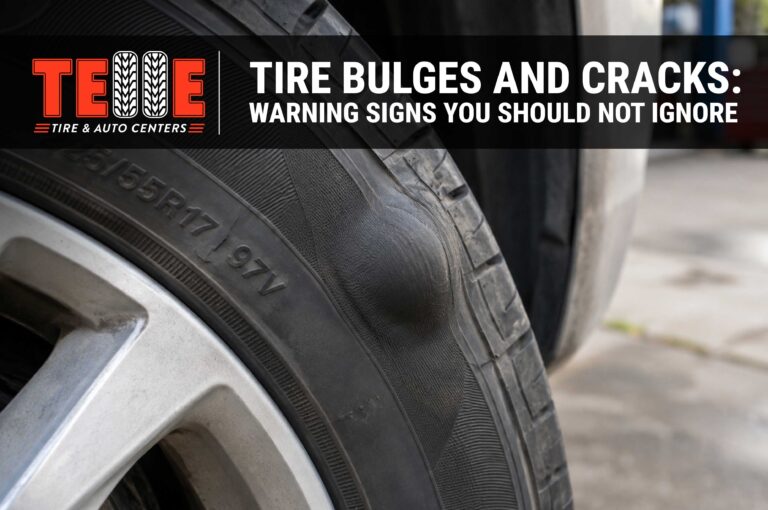
Tire Bulges and Cracks: Warning Signs You Should Not Ignore
A tire can look fine at a glance while developing damage that puts your vehicle at risk. Tire bulges and cracks warrant attention because they can…