How Often to Replace Tires: A Guide to Tire Replacement
 Telle Tire 18 min read
If you are wondering how often to replace tires, the answer depends on several factors, including tire age, mileage, tread depth, driving habits, and road conditions. Many drivers wait until a tire shows a visible problem, but replacing tires at the right time improves safety, handling, and overall vehicle performance.
For most vehicles, tires may need to be replaced after about 6 years, even if they still appear to have usable tread. The Rubber Manufacturers Association and many tire manufacturers recommend regular inspections after five years because aging rubber can lose flexibility and strength.
Missouri drivers face changing conditions throughout the year, from hot summer pavement to freezing temperatures and pothole-riddled roads. These conditions can affect how quickly tires wear and underscore the importance of regular tire inspections.
TL;DR – How Often to Replace Tires Quick Guide
- Most tires last about 3 to 6 years – Tire lifespan depends on tire quality, driving habits, maintenance, and environmental exposure. Regular inspections help determine whether your tires are still safe.
- Tread depth matters as much as tire age – Tires with worn tread lose traction, especially during rain, snow, and slippery road conditions.
- Look for warning signs before problems occur – Cracks, bulges, vibrations, and uneven wear may indicate your tires need attention.
- Driving conditions affect tire life – Frequent highway driving, heavy loads, extreme temperatures, and rough Missouri roads can shorten tire lifespan.
- Professional inspections provide confidence – A trained technician can identify issues that may not be visible during a quick driveway check.
How Often to Replace Tires Based on Age and Mileage
One of the most common questions drivers ask is, “How long do tires last?” While there is no single replacement schedule that works for every vehicle, tire age and mileage provide helpful guidelines.
Many tires are designed to last approximately 40,000 to 80,000 miles, depending on the tire type and driving conditions. A performance tire on a sports car may wear faster, while a high-quality touring tire on a commuter vehicle may last longer.
However, mileage alone should not determine when you replace your tires. A vehicle that sits outside for years may have aging tires even with low mileage because sunlight, temperature changes, and moisture can weaken the rubber.
Factors That Affect Tire Lifespan
Your tires experience different levels of stress depending on how and where you drive. Understanding these factors can help you recognize when replacement may be needed.
- Driving habits – Aggressive acceleration, hard braking, and fast cornering create additional stress on tires. Smooth driving habits can help your tires wear more evenly and last longer.
- Road conditions – Potholes, gravel roads, construction zones, and rough pavement can damage tires over time. Missouri drivers often encounter changing road conditions that can contribute to uneven wear or impact damage.
- Climate exposure – Extreme heat and freezing temperatures affect rubber compounds. Vehicles parked outdoors or exposed to direct sunlight may experience faster tire aging.
- Vehicle maintenance – Poor alignment, incorrect tire pressure, and worn suspension components can cause premature tire wear. Regular maintenance helps your tires perform properly and reach their expected lifespan.
- Tire quality and type – Different tires are built for different purposes. Choosing the right tire for your vehicle, driving style, and local conditions can significantly affect durability.
Knowing these factors helps drivers make better decisions rather than relying solely on a calendar or mileage number. A tire that looks fine from a distance may still need professional evaluation.
How to Know When to Replace Tires
Many drivers wonder when to replace their tires because they notice changes in how their vehicle feels or handles. Paying attention to these warning signs can help prevent unsafe driving conditions.
A tire problem does not always appear as a flat tire. Sometimes, early signs develop slowly through reduced traction, unusual noises, or changes in vehicle handling.
Common Signs You Need New Tires
If you notice any of these issues, it may be time to schedule a tire inspection with a professional technician.
- Low tire tread depth – Tire tread helps your vehicle grip the road, especially during wet conditions. When the tread becomes too shallow, tires have a harder time moving water away from the contact surface, increasing the risk of slipping.
- Cracks or dry rot on the tire surface – Small cracks along the sidewall or between tread blocks may indicate rubber deterioration. Aging tires can become weaker even when the tread appears acceptable.
- Uneven tire wear patterns – Wearing more on one side, the center, or specific areas may point to alignment, inflation, or suspension problems. Addressing the cause can help protect your replacement tires.
- Frequent loss of air pressure – A tire that repeatedly loses air may have damage, a leaking valve stem, or internal issues. Driving on underinflated tires can increase heat buildup and accelerate wear.
- Vehicle vibration while driving – Shaking through the steering wheel or vehicle body may indicate tire imbalance, tire damage, or other mechanical concerns. A technician can determine whether the issue requires balancing, repair, or replacement.
Recognizing these signs early gives drivers more time to plan for replacement instead of dealing with an unexpected tire failure. Regular tire checks are especially valuable before long trips or seasonal weather changes.
How Tire Tread Determines Replacement Time
Tread depth is one of the most important measurements technicians use when deciding when to replace tires. Tires need enough tread to maintain traction and safely handle changing road conditions.
A simple tread test involves checking the depth using a tread depth gauge or the penny test. Many experts recommend replacing tires when the tread reaches 2/32 of an inch, which is the legal minimum in many states.
However, waiting until the minimum limit may not always provide the best safety margin. Drivers who regularly travel in heavy rain, winter conditions, or on high-speed highways may benefit from replacing tires earlier.
Why Tire Tread Matters for Safety
- Improves wet weather traction – Tire grooves move water away from the road surface. Worn tread increases the chance of hydroplaning during heavy rain.
- Supports braking performance – Tires with adequate tread help your vehicle stop effectively. Worn tires may require longer stopping distances.
- Maintains vehicle control – Proper tread helps tires grip the road during turns and sudden maneuvers. This is especially important for SUV drivers carrying passengers or cargo.
- Improves confidence in changing conditions – Good tread performance helps drivers feel more secure in rain, cold temperatures, and on unexpected road hazards.
- Helps identify uneven wear early – Checking tread across the entire tire surface can reveal alignment or inflation issues before they cause expensive damage.
Checking the tread regularly takes only a few minutes but provides valuable information about your tire condition. If you are unsure about your tread depth, a professional inspection can give you a clearer answer.
Tire Age vs Tire Wear: Which Matters More
When deciding how often to replace tires, many drivers focus only on tread depth. While tread is important, tire age also plays a major role in determining whether your tires are safe.
A tire can have plenty of tread remaining and still need replacement because rubber compounds naturally break down over time. Exposure to sunlight, heat, moisture, and temperature changes can cause the tire material to become harder and less flexible.
This is why tire manufacturers recommend checking both age and condition, rather than relying on appearance alone.
Why Older Tires May Need Replacement
- Rubber compounds break down over time – Tires are designed to remain flexible, allowing them to maintain contact with the road. As rubber ages, it can become stiff and more vulnerable to cracking.
- Internal tire strength can decrease – Aging affects the materials inside the tire, including steel belts and reinforcing layers. Damage inside the tire may not always be visible from the outside.
- Weather exposure accelerates aging – Tires exposed to direct sunlight, extreme heat, and outdoor conditions may age faster. Vehicles parked outside year-round may require more frequent inspections.
- Low-mileage vehicles can still have aging tires – A spare vehicle or weekend car may have tires that look new because they have fewer miles. However, time-related aging can still affect safety.
- Older tires may provide reduced performance – Aging tires may respond differently during braking, cornering, and wet road conditions. Replacement decisions should consider both safety and driving confidence.
Understanding tire age helps prevent a common mistake: assuming tires are safe simply because they are not worn out. Regular inspections help identify problems before they become roadside emergencies.
How Often to Replace Tires on SUVs and Family Vehicles
SUV drivers and families often ask how often to replace tires because these vehicles typically carry more weight and may be used for longer trips, daily commuting, and changing road conditions.
SUVs place additional demands on tires due to their greater weight and higher center of gravity. Proper tire maintenance is especially important for stability, braking performance, and passenger safety.
For many SUV drivers, tire replacement timing depends on:
- Vehicle weight and load capacity – Heavier vehicles place more pressure on tires. Frequent passenger carrying, towing, or hauling cargo can increase tire stress.
- Driving distance and frequency – Daily commuters may reach mileage limits faster than drivers who use their vehicles occasionally. Tracking mileage helps estimate when a replacement may be needed.
- Seasonal driving conditions – Missouri winters, summer heat, and changing weather patterns can influence tire performance. Drivers should inspect tires before major seasonal changes.
- Tire type selected – All-season, touring, highway, and performance tires have different durability expectations. Choosing the correct tire for your driving needs improves long-term value.
- Maintenance routine – Regular tire rotations, proper inflation, and wheel alignments help tires wear evenly. Well-maintained tires generally provide better performance throughout their service life.
SUV and family-vehicle owners should pay attention to how their vehicles feel on the road. Changes in handling, increased road noise, or reduced traction can indicate that tires need inspection.
How Missouri Roads Affect Tire Replacement Timing
Drivers throughout Missouri experience a variety of road and weather conditions that can influence tire lifespan. From summer heat on highways to potholes after winter weather, local driving conditions can create additional stress on tires.
Understanding these challenges helps drivers know when to inspect their tires and prepare for replacement.
Common Missouri Conditions That Affect Tires
- Potholes and rough pavement – Road impacts can damage sidewalls, weaken internal components, and create alignment problems. Even a single strong impact can affect tire safety.
- Hot summer temperatures – Heat increases tire pressure and puts additional stress on rubber. Proper inflation checks are especially important during warmer months.
- Winter temperature changes – Cold weather can cause tire pressure to drop. Underinflated tires may wear faster and reduce fuel efficiency.
- Rain and wet roads – Worn tires have reduced ability to channel water away from the tread. This can increase stopping distances and reduce traction.
- Long highway driving – Frequent highway travel creates continuous heat buildup and wear. Drivers who commute long distances should inspect their tires regularly.
Because road conditions vary throughout the year, Missouri drivers benefit from seasonal tire checks. A quick inspection can identify problems before they lead to expensive repairs or unsafe driving situations.
How Much Does Tire Replacement Cost
Many drivers consider tire replacement cost when planning vehicle maintenance. The final price depends on several factors, including tire size, tire brand, vehicle type, and installation services.
While cheaper tires may reduce upfront expenses, choosing the correct tire for your vehicle can provide better value through improved safety, performance, and durability.
Factors That Influence Tire Replacement Cost
- Tire size and vehicle type – Larger SUVs, trucks, and specialty vehicles often require larger tires, which can affect overall pricing. Checking your vehicle manufacturer’s recommended tire size helps avoid incorrect purchases.
- Tire brand and quality level – Premium tires may offer longer tread life, improved handling, and stronger warranties. Budget-friendly options can also be appropriate when matched correctly to driving needs.
- Number of tires being replaced – Replacing all four tires may provide better balance and consistent performance. However, some situations may allow drivers to replace only two tires depending on tread condition.
- Installation services – Professional installation may include mounting, balancing, valve stem replacement, and tire disposal. These services help ensure your new tires perform properly.
- Additional maintenance needs – Tire replacement appointments may reveal other needs, such as wheel alignment or suspension repairs. Addressing these issues helps protect your new tires from premature wear.
Planning ahead can make tire replacement easier and less stressful. Regular inspections allow drivers to budget for new tires before they become an urgent expense.
How to Extend the Life of Your Tires
Knowing how often to replace tires helps you plan ahead, but proper maintenance can help you get the most value from your current set. Tires naturally wear over time, but regular care can improve safety, performance, and longevity.
Many tire problems happen because small maintenance issues are ignored. A few minutes spent checking your tires each month can help prevent uneven wear and unexpected replacement costs.
Simple Tire Maintenance Tips That Help Tires Last Longer
- Check tire pressure regularly – Proper inflation helps tires wear evenly and improves fuel efficiency. Underinflated tires create extra heat and friction, while overinflated tires may reduce traction and cause uneven wear.
- Rotate your tires on schedule – Tire rotation helps distribute wear between the front and rear tires. Most manufacturers recommend rotating tires every 5,000 to 8,000 miles, but your vehicle owner’s manual should always be the final guide.
- Schedule wheel alignments when needed – Misaligned wheels can cause your tires to wear unevenly and reduce handling performance. If your vehicle pulls to one side or your steering wheel is off-center, an alignment inspection may be needed.
- Inspect tires for damage regularly – Look for cracks, cuts, bulges, or objects stuck in the tread. Catching damage early may prevent larger problems and help determine whether a repair or replacement is appropriate.
- Avoid excessive speeding and aggressive driving – Hard braking, rapid acceleration, and sharp cornering increase tire stress. Smoother driving habits help reduce unnecessary wear.
Maintaining your tires does not require complicated routines. Simple habits combined with professional inspections can help you maximize tire life while keeping your vehicle safer on the road.
Choosing the Right Time for Tire Replacement With Telle Tire & Auto Centers
Understanding how often to replace tires helps you make smarter decisions about vehicle safety and maintenance. While tire age and mileage provide useful guidelines, the actual condition of your tires determines when replacement is necessary.
For Missouri drivers, changing weather, potholes, and daily driving conditions can affect tire performance. Regular inspections allow you to catch problems early, maintain better handling, and avoid unexpected tire issues.
At Telle Tire & Auto Centers, our experienced technicians help drivers evaluate their tires, understand their options, and choose solutions that fit their vehicles and driving needs. Whether you need a tire inspection, replacement recommendations, or professional installation, our team is ready to help.
If you are unsure when to replace tires, schedule an appointment with Telle Tire & Auto Centers for a professional tire inspection. Our team can check your tire condition, identify potential safety concerns, and help you determine the best next step.
Visit a Telle Tire & Auto Centers location near you in Missouri to keep your vehicle ready for daily commutes, road trips, and changing driving conditions. Schedule your service today:

Take it to telle
Stay Safe with a Tire Check from Telle Tire
Worried about your tread depth or tire condition heading into the summer storm season? Take it to Telle. Our expert technicians can assess your tires, check pressure levels, and recommend replacements when necessary, helping you stay in control regardless of the weather conditions. Stay safe, stay prepared, and if you’re unsure about your tires, schedule a visit with your nearest Telle Tire & Auto Centers location today.
Stay Informed
Recent Articles from Telle Tire
Tennessee Vehicle Maintenance Checklist for Reliable Driving
Owning a vehicle in Tennessee means dealing with changing road conditions, seasonal weather, and daily driving demands. A reliable car does not happen by accident. It…
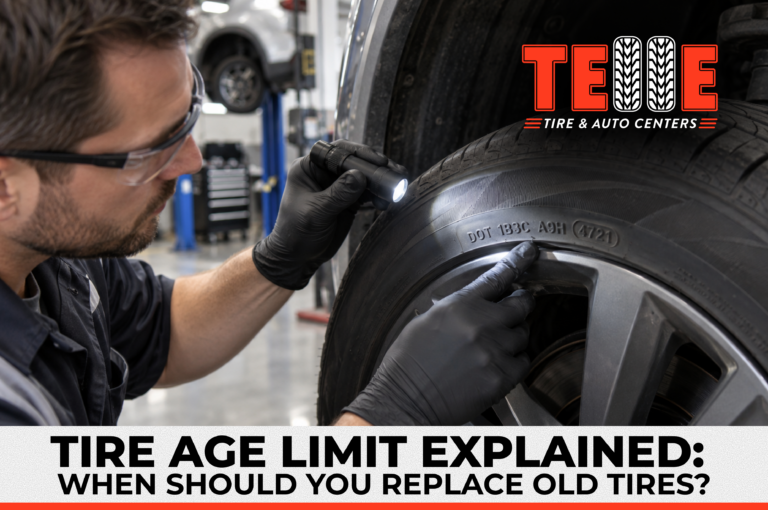
Tire Age Limit Explained: When Should You Replace Old Tires?
Many drivers assume tires only need to be replaced when the tread wears down. While tread depth is important, tire age is another major factor that…
Steering Wheel Shaking on Highway, Tires or Alignment?
When your steering wheel starts shaking on the highway, even a familiar drive can become stressful. You may notice the vibration around 55 to 70 mph,…