Best Tires for Tennessee Weather: Choosing the Right Set
 Telle Tire 13 min read
Tennessee offers some of the most scenic drives in the country, from the rolling hills around Nashville to the winding mountain roads near the Great Smoky Mountains. While the scenery changes from one region to another, one thing remains the same: your tires play a major role in keeping you safe year-round.
Choosing the best tires for Tennessee weather means considering much more than brand names or price. Tennessee drivers experience long stretches of summer heat, frequent rainstorms, changing elevations, and occasional snow and ice during winter. Those varying conditions require tires that provide dependable traction, responsive handling, and long-lasting durability.
This guide explains exactly what to look for and how to choose the right set for your driving habits.
TL;DR – Best Tires for Tennessee Weather at a Glance
If you’re looking for the best tires for Tennessee weather, here’s what you need to know before buying your next set.
- Choose high-quality all-season tires if you drive primarily in cities and highways across most of Tennessee.
- Consider all-weather tires if you live in East Tennessee or frequently encounter icy mornings and mountain roads.
- SUVs and trucks that travel gravel roads or job sites benefit from all-terrain tires with dependable wet-road traction.
- Tennessee’s hot summers, heavy rain, and occasional winter storms make tire tread, rubber compound, and hydroplaning resistance important features.
- Regular tire inspections, rotations, and proper inflation help maximize tire life and improve safety in every season.
Why Tennessee Weather Makes Tire Choice So Important
Many people assume Tennessee has mild weather year-round. In reality, it experiences four distinct seasons, and driving conditions can change dramatically depending on where you live.
West Tennessee typically sees hotter summers and flatter highways, while Middle Tennessee combines urban traffic with frequent rain. East Tennessee adds mountain elevations, winding roads, and a greater chance of snow and freezing temperatures during winter. Because of these regional differences, there isn’t one tire that’s perfect for everyone. Instead, the best choice depends on where and how you drive.
Here are the biggest weather challenges Tennessee drivers face throughout the year.
- Hot summer pavement – Tennessee regularly experiences temperatures above 90°F during the summer. Heat increases tire pressure and accelerates tread wear, making durable rubber compounds especially valuable for long highway drives.
- Heavy rain and wet roads – Sudden thunderstorms are common across the state. Tires with deep water evacuation channels and strong wet braking performance help reduce the risk of hydroplaning while maintaining better control.
- Occasional snow and ice – Most Tennessee drivers don’t need dedicated winter tires, but icy mornings and winter storms can create slippery roads. Drivers in higher elevations often benefit from all-weather or winter-rated tires.
- Mountain driving – Eastern Tennessee features steep grades, tight curves, and changing weather conditions. These roads place greater demands on tire grip and cornering stability than flat interstate highways.
- Long interstate travel – Interstates like I-40, I-65, I-24, and I-75 expose tires to extended highway speeds and changing road surfaces. Choosing quality tires improves ride comfort, stability, and tread life over thousands of miles.
Understanding these conditions makes it easier to narrow your options before shopping for new tires. Instead of choosing based solely on price, you’ll be selecting tires that match the roads you actually drive every day.
What Are the Best Tires for Tennessee Weather?
For most drivers, premium all-season tires remain the best overall choice because they balance wet traction, dry handling, ride comfort, and tread life. However, they’re not the only option.
The right tire depends on your vehicle, where you live, and how often you encounter challenging weather.
All-Season Tires
For most Tennessee drivers, all-season tires offer the best balance of performance year-round.
They’re designed to handle:
- Daily commuting
- Highway driving
- Moderate rain
- Summer heat
- Occasional light winter weather
Modern all-season tires offer excellent braking, quieter rides, and longer tread life than many drivers expect. They’re particularly well-suited for commuters in Nashville, Memphis, Clarksville, Murfreesboro, and similar areas where snow is relatively infrequent.
All-Weather Tires
Drivers who experience more winter conditions should also consider all-weather tires.
Unlike traditional all-season tires, many all-weather models carry the Three-Peak Mountain Snowflake (3PMSF) certification, meaning they meet additional snow traction standards while remaining suitable for year-round use.
These tires are an excellent option for:
- East Tennessee residents
- Mountain communities
- Frequent Smoky Mountain travelers
- Drivers who encounter freezing rain several times each winter
Many tire experts now recommend all-weather tires as an excellent middle ground between traditional all-season and dedicated winter tires, especially in climates like Tennessee, where severe winter weather is occasional rather than constant.
All-Terrain Tires
If you drive a truck or SUV, your needs may be different.
All-terrain tires provide additional grip on:
- Gravel roads
- Construction sites
- Campsites
- Hunting land
- Rural backroads
Today’s all-terrain tires also deliver surprisingly good highway manners, making them a practical option for drivers who split time between pavement and unpaved roads.
Choosing between these tire categories starts with an honest assessment of your daily driving habits. The best tires aren’t necessarily the most expensive. They’re the ones that match your vehicle, your routes, and Tennessee’s changing weather conditions.
Best Tires for Tennessee Weather by Vehicle Type
Every vehicle has different handling characteristics, weight distribution, and performance needs. Choosing tires designed for your specific vehicle helps improve traction, braking, fuel efficiency, and overall driving comfort.
If you’re shopping for the best tires for Tennessee weather, start by matching the tire type to your vehicle and the roads you drive most often.
Best Tires for Sedans and Compact Cars
Sedans are commonly used for commuting, errands, and highway travel. Most owners prioritize ride comfort, fuel economy, and long tread life.
Here are some features to look for:
- Excellent wet-road traction – Tennessee receives an average of 50 to 60 inches of rainfall annually, depending on the region. Tires designed with wide circumferential grooves help channel water away from the tread and improve grip during heavy rain.
- Low rolling resistance – Tires with lower rolling resistance reduce the energy required to keep your vehicle moving. This can improve fuel efficiency over thousands of miles without sacrificing everyday performance.
- Quiet ride technology – If you spend time on interstates like I-40 or I-65, quieter tires make long trips more comfortable by reducing road noise inside the cabin.
- Long tread life – Quality touring tires often come with treadwear warranties ranging from 60,000 to 80,000 miles, making them a smart investment for daily drivers.
- Reliable year-round performance – Premium all-season tires offer dependable traction during Tennessee’s hot summers, rainy springs, and occasional winter weather.
For most sedan owners, a quality touring all-season tire delivers the best combination of comfort, value, and safety.
Best Tires for SUVs and Crossovers
SUVs and crossovers continue to grow in popularity because they’re versatile enough for family travel, outdoor adventures, and daily commuting.
Since these vehicles are heavier than sedans, they benefit from tires built to handle additional weight while maintaining stable handling.
Important features include:
- Enhanced wet braking – Larger vehicles require more stopping distance. Tires with advanced tread compounds improve grip on wet pavement.
- Strong cornering stability – Whether you’re driving through downtown Nashville or winding roads near the Smoky Mountains, stable handling inspires confidence behind the wheel.
- Comfortable highway ride – Many SUV tires are engineered to reduce vibration, making long family trips more enjoyable.
- Light snow capability – Drivers in East Tennessee often encounter freezing mornings or light snowfall. All-weather tires may provide additional confidence during winter.
- Long-lasting durability – SUVs place more stress on tires due to their weight. Durable construction helps maximize tread life.
Families who enjoy weekend trips to state parks, lakes, or mountain destinations often appreciate the versatility of premium all-season or all-weather SUV tires.
Best Tires for Pickup Trucks
Pickup trucks serve many purposes across Tennessee, from hauling equipment and towing trailers to commuting and recreational driving.
Truck owners should consider how they use their vehicles before selecting new tires.
Different driving situations call for different tire characteristics:
| Driving Style | Recommended Tire |
|---|---|
| Mostly highways | Highway Terrain (HT) |
| Daily commuting | Premium All-Season |
| Gravel roads | All-Terrain (AT) |
| Light off-roading | Aggressive All-Terrain |
| Heavy towing | Load-rated Highway Tires |
Choosing the proper load rating is just as important as selecting the tread pattern. Tires that match your truck’s towing capacity provide better stability and wear more evenly over time.
Best Tires for Electric Vehicles
Electric vehicles continue to become more common across Tennessee, and they place unique demands on tires.
Because EVs produce instant torque and typically weigh more than gasoline-powered vehicles, they often require specially engineered tires.
Look for:
- Lower rolling resistance for improved driving range
- Reinforced construction to support battery weight
- Reduced road noise for a quieter cabin
- Strong wet-road traction
- Durable tread compounds that resist faster wear
Many manufacturers now produce EV-specific tire models designed to maximize efficiency without sacrificing safety.
All-Season vs All-Weather vs Winter Tires
One of the most common questions drivers ask is which tire category works best year-round.
The answer depends on where you live and how often you drive during winter weather.
| Feature | All-Season | All-Weather | Winter Tires |
|---|---|---|---|
| Summer Heat | Excellent | Excellent | Fair |
| Heavy Rain | Very Good | Excellent | Good |
| Light Snow | Good | Excellent | Outstanding |
| Ice | Fair | Good | Excellent |
| Year-Round Use | Yes | Yes | No |
| Best for Most Tennessee Drivers | ✔ | ✔ | Limited |
For most drivers across Tennessee, premium all-season tires remain the best overall choice because they deliver dependable performance in nearly every condition encountered throughout the year.
However, drivers who regularly travel through mountainous areas or experience freezing temperatures several times each winter may find all-weather tires to be a worthwhile upgrade.
Dedicated winter tires are generally recommended only for drivers who frequently encounter prolonged snow and ice, particularly in higher elevations.
Expert Tips for Choosing the Best Tires for Tennessee Weather
Shopping for new tires can feel overwhelming with so many brands and options available. Fortunately, focusing on a few key factors makes the decision much easier.
Here are recommendations professional technicians often share with drivers.
- Match your tires to your driving habits – A daily commuter has different needs than someone who frequently drives mountain roads or gravel roads. Think about where you spend most of your time behind the wheel.
- Choose quality over the lowest price – Premium tires often provide longer tread life, better wet traction, and improved ride comfort, making them a better long-term value.
- Replace all four tires when possible – Installing four matching tires helps maintain balanced handling and consistent traction. If replacing only two tires, install the new tires according to your vehicle manufacturer’s recommendations.
- Don’t ignore tire age – Even if tread remains, tires generally should be inspected closely after about six years because rubber naturally degrades over time.
- Ask a trusted tire professional – Tire experts can recommend options based on your vehicle, driving habits, budget, and the weather conditions you experience most often.
Taking a little extra time to choose the right tires can improve safety and performance for years to come.
Find the Best Tires for Tennessee Weather at Telle Tire & Auto Centers
Choosing the best tires for Tennessee weather starts with understanding how and where you drive. From hot summer highways to rainy spring mornings and occasional winter weather, the right tires provide better traction, improved handling, and greater peace of mind year-round.
At Telle Tire & Auto Centers, our experienced team helps drivers find the right tires for their vehicle, budget, and driving conditions. We’ll explain your options, recommend trusted tire brands, and make sure your new tires are installed correctly so you can drive with confidence.
Schedule your appointment today and let our experienced technicians help keep you safe on Tennessee roads year-round.

Take it to telle
Stay Safe with a Tire Check from Telle Tire
Worried about your tread depth or tire condition heading into the summer storm season? Take it to Telle. Our expert technicians can assess your tires, check pressure levels, and recommend replacements when necessary, helping you stay in control regardless of the weather conditions. Stay safe, stay prepared, and if you’re unsure about your tires, schedule a visit with your nearest Telle Tire & Auto Centers location today.
Stay Informed
Recent Articles from Telle Tire
Tennessee Vehicle Maintenance Checklist for Reliable Driving
Owning a vehicle in Tennessee means dealing with changing road conditions, seasonal weather, and daily driving demands. A reliable car does not happen by accident. It…
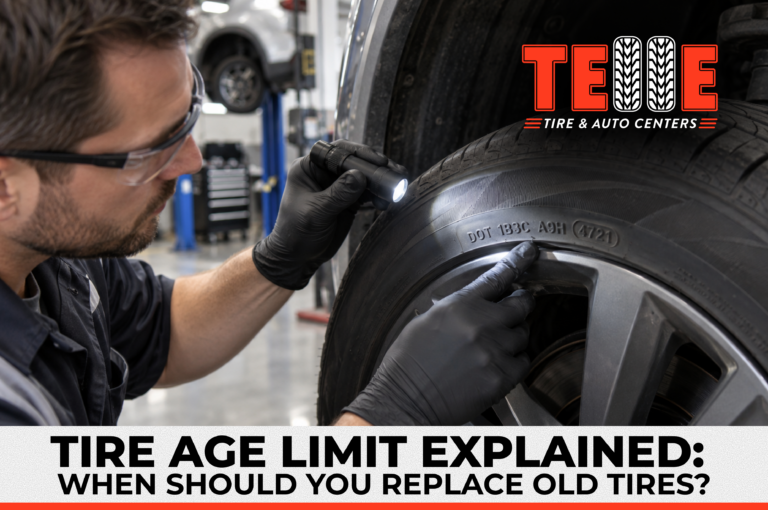
Tire Age Limit Explained: When Should You Replace Old Tires?
Many drivers assume tires only need to be replaced when the tread wears down. While tread depth is important, tire age is another major factor that…
Steering Wheel Shaking on Highway, Tires or Alignment?
When your steering wheel starts shaking on the highway, even a familiar drive can become stressful. You may notice the vibration around 55 to 70 mph,…