Best Tires for St Louis Weather and Changing Seasons
 Telle Tire 14 min read
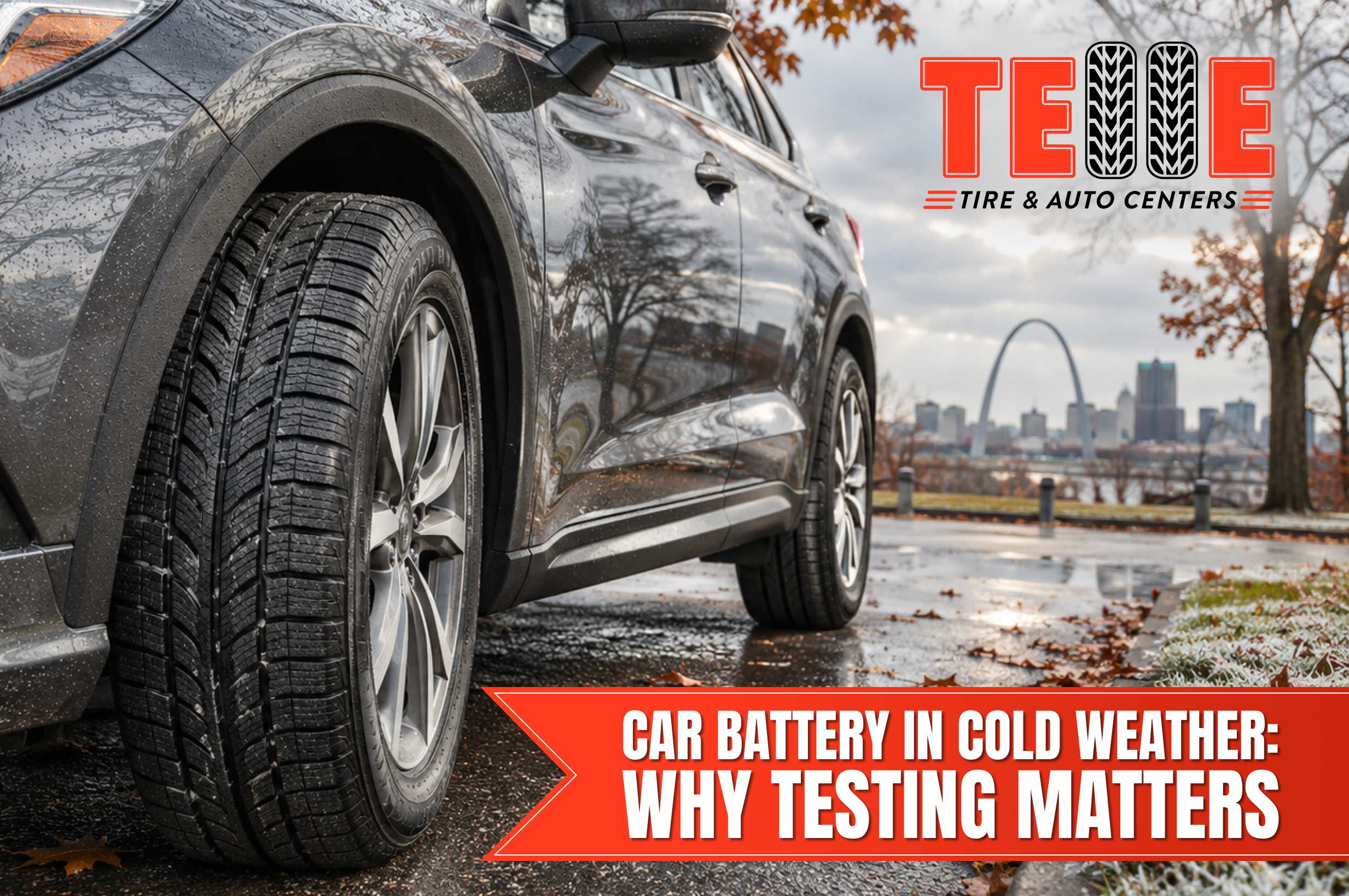
St. Louis drivers deal with a little bit of everything. Hot, humid summers can be followed by heavy rain, sudden temperature drops, freezing conditions, and occasional snow or ice. That makes choosing the best tires for St Louis weather more complicated than simply picking the tire with the longest mileage warranty.
The right tire should match your vehicle, driving habits, and the conditions you are most likely to encounter. For many local car owners, a quality all-season or all-weather tire can provide the balance needed for year-round driving. Drivers who regularly travel during significant winter storms may have different needs.
TL;DR for the Best Tires for St Louis Weather
- The best tires for St Louis weather should handle heat, rain, cold temperatures, and occasional snow while providing dependable braking and cornering.
- All-weather tires can be a strong choice for drivers who want better winter traction while keeping one tire set on the vehicle year-round.
- All-season tires remain a practical option for many St. Louis drivers who mainly encounter wet roads, dry pavement, and occasional light snow.
- SUV and crossover drivers should consider load ratings, highway stability, wet traction, and tread design before choosing a tire.
- Tire pressure, alignment, rotation, and tread condition affect performance just as much as the tire model itself.
What Are the Best Tires for St Louis Weather?
For many St. Louis drivers, the best choice is a quality all-season or all-weather tire with strong wet-road performance and dependable cold-weather traction. The ideal tire depends on whether you prioritize comfort, mileage, rain handling, winter traction, towing, or performance.
St. Louis weather makes versatility especially important. The National Weather Service describes the region as having a true four-season climate, with warm, humid summers, cold winter air masses, frequent thunderstorms, and an average winter snowfall of just over 18 inches.
That means a tire designed for only one condition may leave you making compromises during another season.
Why St Louis Weather Is Hard on Tires
Temperature and road conditions can change considerably throughout the year. Summer heat can increase tire temperatures during highway driving, while cold winter mornings can reduce inflation pressure and change how rubber responds to the pavement.
Rain is another important consideration. St. Louis experiences frequent thunderstorms, so wet traction and resistance to hydroplaning are important considerations when comparing tires.
For local drivers, a good year-round tire should provide:
- Strong wet braking
- Stable dry-road handling
- Reliable cold-weather grip
- Adequate light-snow traction
- Predictable cornering
- Reasonable tread life
- A comfortable ride
The goal is to find a tire that works well across the conditions you actually drive in rather than paying for capabilities you rarely use.
All Weather Tires in St Louis
All-weather tires in St. Louis are worth considering if you want stronger winter capability than a traditional all-season tire can provide.
All-weather tires are designed for year-round use but generally have more winter-focused tread characteristics than conventional all-season tires. Many qualifying models carry the Three-Peak Mountain Snowflake symbol, which indicates they meet a standardized severe-snow traction requirement.
That distinction matters when temperatures fall and roads become slick.
When All-Weather Tires Make Sense
These tires can be a good fit for drivers who commute year-round and cannot easily avoid driving in snow or freezing conditions.
Consider an all-weather tire if you:
- Drive every day – A year-round commuter can benefit from a tire designed to cover a broader range of temperatures and road conditions.
- Want better winter traction – All-weather designs generally provide more winter-oriented traction than standard all-season tires.
- Prefer one set of tires – You can avoid the storage and seasonal installation involved with maintaining separate winter and summer sets.
- Frequently drive outside St. Louis – Highway trips into areas with more severe winter conditions can make additional cold-weather capability valuable.
- Own an SUV or crossover? Many all-weather options are available in sizes designed for popular SUVs and crossovers.
An all-weather tire still has limits. During a major snow or ice event, dedicated winter tires can provide greater winter traction, particularly for drivers who must travel regardless of road conditions.
Best All-Season Tires in St Louis
The best all-season tires in St. Louis should offer a balanced combination of wet traction, dry-road handling, ride comfort, tread life, and light winter capability.
Traditional all-season tires remain popular because they are designed for a broad range of everyday conditions. They can be a sensible choice for drivers who mainly commute on treated roads and can stay home during major snow and ice events.
Local tire retailers commonly group all-season, all-weather, winter, touring, and performance tires according to different driving needs.
What to Look for in an All-Season Tire
When comparing models, look beyond the brand name. A tire that performs exceptionally well on one vehicle may behave differently on another because of differences in size, weight, suspension, and factory specifications.
Pay attention to:
- Wet traction – Look for a tread pattern designed to move water away from the contact patch and maintain grip during heavy rain.
- Tread life – A longer mileage rating can improve value if the tire also delivers the traction and ride quality you need.
- Dry handling – Good dry-road stability matters during normal commuting, highway merging, and emergency maneuvers.
- Cold-weather performance – St. Louis can experience freezing temperatures, so the tire should remain predictable as temperatures fall.
- Ride comfort – Drivers who spend hours commuting may appreciate a tire that reduces road noise and harshness.
- Warranty coverage – Compare the mileage warranty and the manufacturer’s terms rather than choosing based on warranty length alone.
A tire with a long treadwear warranty is useful, but tread life should never be considered separately from traction and braking performance.
Tires for Rain and Snow in St Louis
When shopping for tires for rain and snow in St. Louis, look for a design that balances water evacuation with cold-weather traction.
Rain deserves particular attention because St. Louis experiences thunderstorms on roughly 40 to 50 days per year, according to the National Weather Service.
A tire’s grooves and tread blocks help move water away from the contact patch. As tread wears down, the tire generally has less ability to channel water, which is one reason tread depth matters even when a tire has not reached the manufacturer’s wear limit.
Features That Matter in Wet and Winter Conditions
Look for these characteristics when comparing tires for changing weather:
- Deep water channels – Circumferential and lateral grooves help move water away from the tire’s contact area during heavy rain.
- Siping – Small cuts in tread blocks create additional edges that can help with traction on wet and cold surfaces.
- Winter certification – A Three-Peak Mountain Snowflake rating can identify tires designed to meet a severe-snow traction standard.
- Balanced tread blocks – A well-designed tread can provide stability on dry pavement while retaining useful wet-weather traction.
- Consistent wear – Evenly worn tires are more likely to maintain predictable handling throughout their usable life.
Remember that AWD and 4WD can help a vehicle accelerate on slippery surfaces, but they do not eliminate the importance of tire grip. Your tires still determine how effectively the vehicle can brake and corner.
Winter Tires in St Louis
Winter tires in St. Louis make the most sense for drivers who regularly encounter snow, ice, or prolonged freezing temperatures and need maximum cold-weather traction.
Winter tires use rubber compounds designed to remain flexible at lower temperatures. Their tread patterns also contain features intended to improve traction on snow and slippery surfaces.
A St. Louis dealership’s winter-tire guidance similarly points to softer compounds and winter-oriented tread patterns as key advantages in snowy and slushy conditions.
Who Should Consider Dedicated Winter Tires?
Dedicated winter tires may be worth the additional cost if you:
- Drive during snowstorms – People who must commute when roads are actively covered may benefit from maximum winter traction.
- Live in an area with frequent untreated roads – Rural or less-traveled roads may remain slippery longer after a storm.
- Regularly travel north or into snowier regions – Interstate trips can take you into weather conditions that are more demanding than typical St. Louis winters.
- Have a vehicle with performance tires – Some summer and performance tires are poorly suited to cold temperatures and winter conditions.
- Need maximum winter braking confidence – Drivers who prioritize winter performance above convenience may prefer a dedicated seasonal setup.
For many city and suburban drivers, however, a quality all-weather tire may provide a practical middle ground.
What Are the Best Tires for St Louis SUVs?
SUV drivers should consider more than tread appearance when choosing the best tires for St Louis weather.
SUVs and crossovers can be heavier than passenger cars, and some are regularly used for towing, hauling, or long-distance highway driving. The correct load rating and speed rating should always match the vehicle manufacturer’s specifications.
What SUV Drivers Should Check
- Load capacity – Make sure the tire can safely support the vehicle’s required load.
- Wet-road stability – Larger vehicles benefit from predictable handling during heavy rain and standing water.
- Highway performance – If you regularly travel I-70, I-64, I-44, or other regional highways, look for stable steering and good highway manners.
- Tread design – Choose a pattern suited to your actual driving rather than selecting an aggressive tire simply because it looks rugged.
- Ride quality – A highly aggressive tread can increase noise and reduce comfort during everyday pavement driving.
An SUV tire should be selected according to how the SUV is actually used. A crossover that spends nearly every mile on pavement has different needs from a truck that regularly travels gravel roads or pulls a trailer.
How to Choose the Best Tires for St Louis Weather
Choosing the right tire becomes easier when you start with your driving routine rather than a brand.
Think about the roads you use, the weather you encounter, and what you want your vehicle to feel like behind the wheel.
1. Start With Your Vehicle’s Correct Tire Size
Check the driver’s door-jamb label or owner’s manual for the recommended tire size, load rating, and speed rating. Never assume that a tire will fit simply because its diameter appears similar.
2. Think About Your Typical St Louis Driving
A driver who commutes around downtown St. Louis may have different needs from someone traveling long distances across Missouri every week.
Consider whether you primarily drive:
- City streets
- Interstates
- Suburban roads
- Rural roads
- Gravel roads
- Mountain or snowy routes during trips
3. Decide How Much Winter Capability You Need
If snow is an occasional inconvenience, an all-season tire may be sufficient. If you need to drive through snow and ice regularly, an all-weather or winter tire deserves closer consideration.
4. Compare Wet Traction and Braking
Rain can arrive quickly in St. Louis, making wet braking an important factor. Look for independent test results when available, and pay attention to the tire’s wet-grip characteristics.
5. Consider Total Cost of Ownership
A cheaper tire may cost more over time if it wears quickly or delivers poor fuel economy and handling. Compare purchase price, mileage expectations, warranty coverage, maintenance requirements, and expected service life.
A professional tire inspection can also help determine whether uneven wear, alignment problems, or improper inflation contributed to premature replacement.
Choose the Best Tires for St Louis Weather With Telle
The best tires for St Louis weather are the ones that match your vehicle and the conditions you actually encounter. For many local drivers, that means prioritizing wet traction, dependable dry-road handling, cold-weather performance, and enough winter capability for occasional snow.
A good tire choice also includes proper installation and maintenance. Telle Tire & Auto Centers has St. Louis-area locations and tire specialists who can help you compare options based on your vehicle, driving habits, and budget.
If your tires are worn, aging, damaged, or struggling to provide the traction you expect, schedule an inspection before the next major weather change. Telle Tire & Auto Centers can help you find the right tires and get them professionally installed.
Take it to telle
Stay Safe with a Tire Check from Telle Tire
Worried about your tread depth or tire condition heading into the summer storm season? Take it to Telle. Our expert technicians can assess your tires, check pressure levels, and recommend replacements when necessary, helping you stay in control regardless of the weather conditions. Stay safe, stay prepared, and if you’re unsure about your tires, schedule a visit with your nearest Telle Tire & Auto Centers location today.
Stay Informed
Recent Articles from Telle Tire
Tire Vibration While Driving: Causes and How to Fix It
Tire vibration while driving can make even a familiar commute feel uncomfortable. You might notice the steering wheel shaking on the highway, a buzzing sensation through…
Oil Change Intervals for Short Trips: Time or Mileage?
Short commutes, school drop-offs, grocery runs, and quick drives around Jefferson City can add very few miles to your odometer. However, frequent short trips can affect…
Common Car Problems in Missouri and How to Fix Them Today
Missouri drivers deal with a unique mix of freezing winter temperatures, summer heat, heavy rain, changing road conditions, and potholes that can appear after repeated freeze-thaw…