Transmission Fluid Change vs Flush: What Does Your Car Need?
 Telle Tire 13 min read
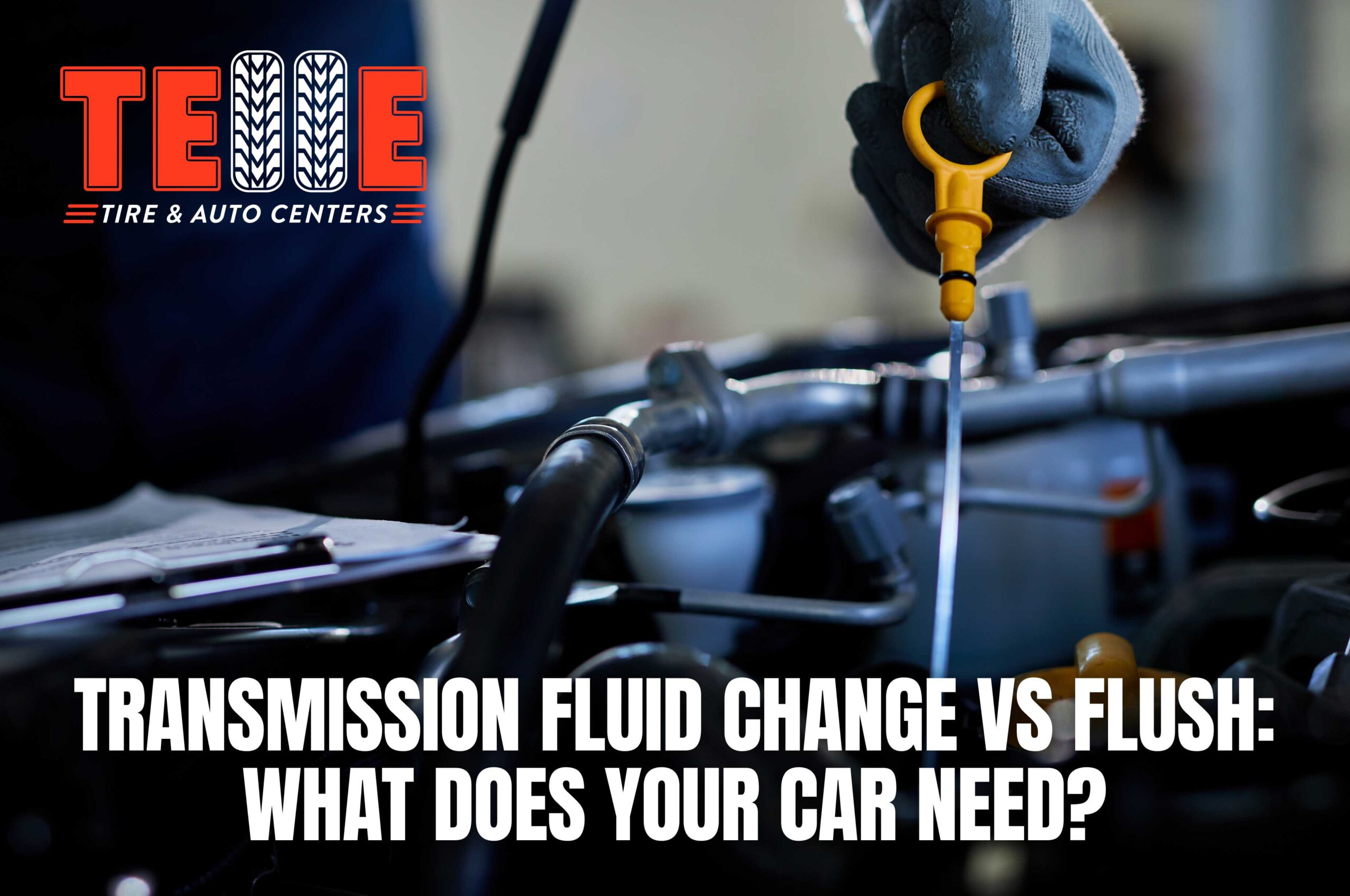
Transmission fluid plays a key role in keeping your vehicle shifting properly, managing heat, and protecting internal components from wear. However, when your car needs transmission service, you may be offered a fluid change or a transmission flush. Understanding the difference can help you choose the right maintenance procedure without paying for unnecessary work.
The best option depends on your vehicle’s transmission type, maintenance history, current condition, and manufacturer recommendations. Here is how to compare the two services and make an informed decision.
TL;DR – Transmission Fluid Change vs Flush at a Glance
- A fluid change replaces part of the old fluid in many automatic transmissions through a drain-and-fill procedure, while a complete fluid exchange replaces a much larger share.
- A transmission flush is not automatically better. The correct procedure depends on your vehicle manufacturer’s service instructions and the condition of the transmission.
- High mileage requires careful assessment. A car with unknown maintenance history or existing shifting problems should be evaluated before any fluid service.
- Correct fluid matters. Using the wrong automatic transmission fluid or continuously variable transmission fluid can affect performance and damage internal components.
- Follow your maintenance schedule. Regular inspections and timely fluid service can help protect your transmission and identify problems before they become expensive repairs.
Transmission Fluid Change vs Flush and the Key Differences
A transmission fluid change and a transmission flush both replace old fluid with fresh fluid, but they use different procedures and may replace different amounts of the total fluid.
A standard drain-and-fill removes the fluid that can drain from the transmission, then replaces it with the correct amount of fresh fluid. A fluid exchange uses specialized equipment to replace a larger portion of the old fluid, depending on the method and transmission design.
What happens during a transmission fluid change?
During a conventional drain-and-fill, a technician drains accessible fluid through a drain plug or by removing the transmission pan, depending on the vehicle.
The technician then refills the system with the specified fluid and checks the level according to the manufacturer’s procedure. Some vehicles also have serviceable filters that can be replaced during the job.
This method replaces only part of the total fluid in many automatic transmissions because some fluid remains in the torque converter, cooler, and internal passages. The amount varies by transmission design.
What happens during a transmission flush?
A transmission fluid exchange uses specialized equipment to remove old fluid while introducing fresh fluid into the system. A properly performed exchange can replace a much larger share of the fluid than a conventional drain-and-fill.
However, the term “flush” can refer to different procedures. Some methods use the transmission’s circulation system, while others may involve equipment or chemicals that a vehicle manufacturer does not approve.
Before agreeing to a flush, ask the shop which procedure it uses and whether the manufacturer recommends it for your vehicle.
Comparing the two services
| Factor | Fluid change | Fluid flush or exchange |
|---|---|---|
| Method | Drains accessible fluid and refills the system | Exchanges fluid using a specified service procedure |
| Fluid replaced | A portion of the total in many automatic transmissions | Often a much larger portion |
| Filter service | May allow filter replacement if accessible | Does not automatically include filter replacement |
| Equipment | Basic service equipment, depending on design | May require specialized exchange equipment |
| Cost | Often lower | Often higher |
| Best application | Routine maintenance when appropriate for the vehicle | When the manufacturer-approved procedure calls for an exchange |
Neither method is right for every transmission. The important question is which procedure matches your vehicle’s service requirements.
Which Is Better for Your Car
Choosing between a fluid change and a flush starts with your owner’s manual. The transmission type, previous maintenance, and any current symptoms also matter.
Consider these situations before authorizing service.
- A regularly maintained vehicle – If your transmission has received fluid service at the recommended intervals, continue following the manufacturer’s procedure. A drain-and-fill or fluid exchange may be appropriate, depending on the specific transmission.
- A high-mileage vehicle with documented service – Mileage alone does not rule out a fluid exchange. Review the service records and confirm which procedure the manufacturer recommends.
- A used car with unknown maintenance history – Ask a technician to inspect the transmission and review the available service information before choosing a procedure. A conservative drain-and-fill may be appropriate for some vehicles, but it should not be treated as a universal rule.
- A vehicle with shifting problems – Delayed engagement, slipping, harsh shifts, or unusual noises call for diagnosis before routine fluid service. Changing the fluid may not resolve a mechanical or hydraulic fault.
- A transmission that requires a specific service method – Some manufacturers prescribe a particular fluid, filter service, or exchange procedure. Follow those instructions instead of choosing a method based solely on price.
A useful rule is to select the service based on documented requirements rather than a blanket recommendation for every vehicle.
Can a Transmission Flush Damage Your Car
A properly performed, manufacturer-approved fluid exchange is appropriate for many vehicles. Problems can arise when a shop uses an unsuitable procedure, incorrect fluid, or improper fluid levels.
The common claim that every flush damages a high-mileage transmission is too broad. Existing wear, neglected maintenance, incorrect servicing, and the transmission’s underlying condition all affect the outcome.
Before authorizing service, consider these precautions.
- Check the owner’s manual – Confirm the specified fluid, service interval, and approved procedure. Some transmissions require special steps for draining, refilling, or checking fluid levels.
- Explain the maintenance history – Tell the technician when the fluid was last serviced, if known. Mention any previous transmission repairs or unusual shifting behavior.
- Avoid unapproved chemicals – Do not assume a cleaning additive or solvent is safe for your transmission. Use only products and procedures permitted by the manufacturer.
- Request an inspection when symptoms are present – A transmission that slips or struggles to engage gears may have a fault that routine maintenance cannot correct. Proper diagnosis should come first.
- Confirm the fluid specification – The fluid must meet the exact requirements for your transmission. A product labeled for multiple vehicles is not automatically suitable for every application.
Fresh fluid cannot restore worn clutches, repair damaged gears, or fix a failing valve body. If your car already has a transmission problem, ask for a diagnosis and a clear explanation of the recommended repair.
Signs Your Transmission Fluid Needs Attention
Transmission fluid condition can provide useful information, but its appearance alone does not determine which service your vehicle needs. Some transmissions use fluid that naturally darkens with age, while others require specific inspection procedures.
Watch for these signs and discuss them with a qualified technician.
- Delayed gear engagement – If the vehicle takes longer than usual to move after selecting Drive or Reverse, the cause may be a fluid level issue, hydraulic pressure, or internal wear.
- Slipping or unexpected RPM changes – An engine that revs without a corresponding increase in speed may indicate a transmission problem. Avoid assuming that a fluid change will fix it.
- Harsh or irregular shifts – Sudden jolts or inconsistent gear changes can result from fluid-related issues, electronic faults, or mechanical problems.
- Fluid leaks – Red, brown, or other colored fluid beneath your vehicle may indicate a leak, although color varies by product and age. Have the source identified and the fluid level checked using the correct procedure.
- Unusual smells or visible contamination – Burnt odors or unusual debris can warrant further inspection. Do not rely on smell or color alone to approve or reject a flush.
If your vehicle has a warning light, severe slipping, or difficulty moving, arrange a prompt inspection. Stop driving when continuing could be unsafe or cause further damage, and seek professional assistance.
How Often Should You Change Transmission Fluid
Your vehicle’s maintenance schedule is the best starting point for determining when transmission service is due. There is no single mileage interval that applies to every car, SUV, automatic transmission, continuously variable transmission (CVT), and manual gearbox.
Some vehicles specify scheduled fluid replacement, while others have more specialized requirements. Driving conditions can also affect the recommended maintenance plan.
Check these details when reviewing your transmission maintenance schedule.
- Manufacturer-recommended intervals – Consult the maintenance section of your owner’s manual for the correct mileage or time interval. Check the severe-service schedule if your driving conditions qualify.
- Transmission type – Conventional automatics, CVTs, dual-clutch transmissions, and manual gearboxes may require different fluids and procedures.
- Driving conditions – Frequent towing, heavy traffic, steep hills, and repeated high-load operation can increase transmission stress. Check whether the manufacturer recommends more frequent service under these conditions.
- Previous maintenance: Keep receipts or service records showing the date, mileage, fluid specifications, and work performed. These details help a technician recommend the next service.
- Fluid-level requirements – Some transmissions require the vehicle to be at a specified temperature and in a specific operating condition when checking the fluid level. Follow the prescribed procedure rather than relying on a generic dipstick check.
Do not assume that a sealed transmission never needs maintenance. Likewise, do not shorten the interval or authorize an additional service without checking the requirements for your specific vehicle.
What Affects Transmission Fluid Service Cost
The price of a transmission fluid change or flush depends on the vehicle, fluid requirements, labor, and scope of work. A quote for a basic drain-and-fill may not include the same parts or procedures as a full fluid exchange.
Ask for an itemized estimate so you can compare the services accurately.
- Fluid type and quantity – Some vehicles require specialized fluids that cost more than conventional automatic transmission fluid. The amount needed also varies by transmission design and service method.
- Filter and gasket replacement – A serviceable filter, pan gasket, or other required components can increase the total price. Ask whether these parts are included in the estimate.
- Service equipment and labor – A fluid exchange may require additional equipment and labor. The exact cost depends on the approved procedure and vehicle configuration.
- Inspection and diagnostic work – If your transmission has symptoms or a leak, diagnosis may be necessary before routine service. Ask the shop to separate diagnostic charges from maintenance costs.
- Additional repairs – Damaged seals, leaks, or internal transmission faults can require separate work. A fluid service should not be presented as a guaranteed fix for these problems.
When comparing quotes, confirm the fluid specification, amount, filter service, and procedure. A lower initial price may not cover the same work, while a more expensive service is not automatically the better choice.
Choose the Right Transmission Service at Telle Tire & Auto Centers
Transmission maintenance works best when it follows the requirements of your specific vehicle. A routine fluid change may be suitable for one car, while another may need a different manufacturer-approved procedure. Reviewing the service history and investigating any existing symptoms can help prevent unnecessary work.
Telle Tire & Auto Centers can be a starting point for discussing your vehicle’s maintenance needs and determining the appropriate next steps. Bring your owner’s manual or previous service records when available, and explain any changes in shifting behavior, leaks, or unusual noises.
If your transmission service is due or you have concerns about its performance, contact Telle Tire & Auto Centers to discuss an inspection and the recommended maintenance procedure.
Schedule a service appointment and ask about the fluid type, service method, and inspection requirements for your vehicle.

Take it to telle
Stay Safe with a Tire Check from Telle Tire
Worried about your tread depth or tire condition heading into the summer storm season? Take it to Telle. Our expert technicians can assess your tires, check pressure levels, and recommend replacements when necessary, helping you stay in control regardless of the weather conditions. Stay safe, stay prepared, and if you’re unsure about your tires, schedule a visit with your nearest Telle Tire & Auto Centers location today.
Stay Informed
Recent Articles from Telle Tire

How Weather Affects Tires in Tennessee: Tire Care Tips
Tennessee drivers deal with a wide range of weather throughout the year, from hot and humid summer days to heavy spring thunderstorms and occasional winter freezes.…

Best All-Season Tires Springfield MO: Top Buying Tips
Choosing the best all-season tires Springfield MO, drivers can rely on takes more thought than picking the most familiar brand. Springfield drivers deal with hot summer…

How to Make Brakes Last Longer With Proper Maintenance
Your brakes work hard every time you slow down, stop at an intersection, or navigate traffic. Learning how to make brakes last longer can help you…