Missouri Car Maintenance Schedule for Older Vehicles
 Telle Tire 13 min read
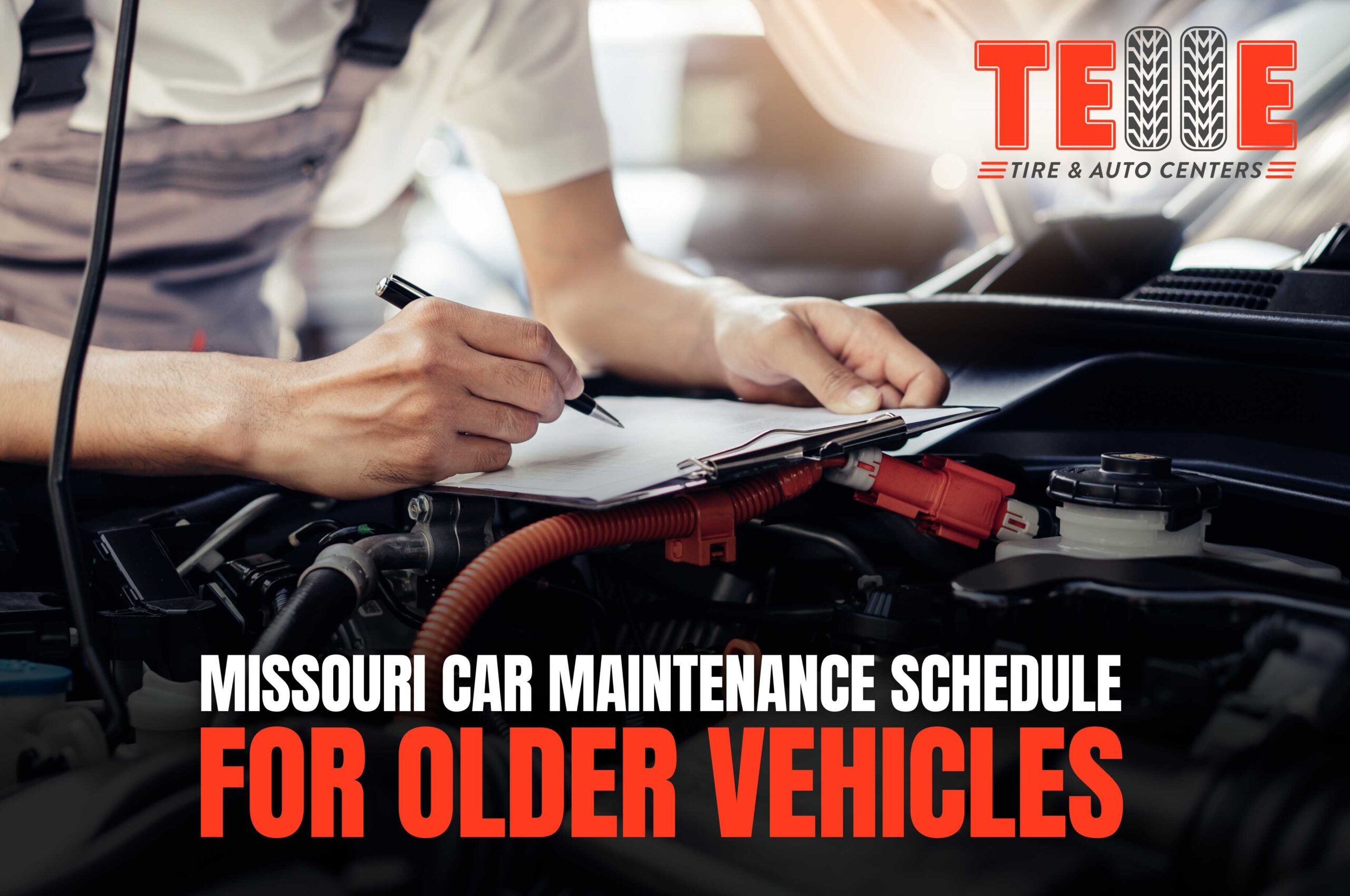
If you drive an older car in Missouri, having a consistent Missouri car maintenance schedule can make ownership much easier. A vehicle with 100,000 miles or more can still provide dependable transportation, but age changes what deserves attention. Rubber components dry out, fluids deteriorate, batteries lose capacity, suspension parts wear, and small leaks can become bigger repairs if they go unnoticed.
Missouri driving conditions can also put extra demands on a vehicle. Summer heat, winter cold, road salt, potholes, stop-and-go traffic, and long highway trips all affect different systems. A smart maintenance routine accounts for those conditions while still following the manufacturer’s recommendations for your specific year, make, model, and engine.
You do not need to memorize dozens of service intervals. A practical schedule based on mileage, time, vehicle age, and warning signs can help you decide what deserves attention now and what can wait.
TL;DR – Missouri Car Maintenance Schedule Quick Guide
- Follow your owner’s manual because maintenance intervals vary by vehicle and driving conditions.
- Older, high-mileage cars need closer checks of tires, brakes, fluids, belts, hoses, batteries, and suspension.
- Even low-mileage older cars need maintenance because fluids, batteries, and rubber parts age over time.
- Missouri heat, cold, potholes, road salt, and stop-and-go driving can increase wear.
- Address strange noises, leaks, vibrations, warning lights, and hard starts early.
How Often Should an Older Car Be Serviced in Missouri
There is no single mileage number that works for every older vehicle. A 12-year-old SUV with 140,000 miles and frequent short trips may need a different approach than a 10-year-old sedan with 85,000 miles, mostly on the highway.
The best older vehicle maintenance in Missouri combines the manufacturer’s recommendations with the vehicle’s age, mileage, condition, and driving habits. Travelers, for example, recommends additional milestone checks for older vehicles, while AAA organizes routine maintenance around both time and recurring inspections.
Every month or before longer trips
These quick checks can help you catch developing problems before they become inconvenient. You can handle some of them at home, while a professional should evaluate anything that looks abnormal.
- Check tire pressure – Use the pressure listed on the driver’s doorjamb rather than the maximum pressure printed on the tire. Check the spare as well, since an older spare can lose pressure while sitting unused.
- Look for fluid leaks – Check the area where you park for fresh spots or puddles. Oil, coolant, transmission fluid, and other leaks can indicate problems with seals, hoses, lines, or components.
- Inspect tire condition – Look for uneven tread wear, cracks, bulges, cuts, and objects embedded in the tread. An older vehicle can develop alignment or suspension problems that show up as unusual tire wear.
- Test exterior lights – Check headlights, brake lights, turn signals, reverse lights, and other exterior lighting. Good visibility matters year-round, particularly during Missouri’s darker winter mornings and evenings.
- Pay attention to new symptoms – A new vibration, squeal, clunk, burning smell, slow crank, or change in braking deserves investigation. Small changes are often easier and less expensive to address than a component that has completely failed.
These checks take only a few minutes, but they give you useful information between service appointments. Keeping a simple record on your phone can also help you recognize patterns that might otherwise be easy to overlook.
Missouri Car Maintenance Schedule by Mileage
Mileage remains one of the easiest ways to organize car maintenance, but it should never be treated as a universal rule. Your owner’s manual takes priority, and severe driving conditions can shorten some service intervals. Missouri’s recommended fleet schedule, for example, distinguishes between older and newer vehicles for certain preventive maintenance intervals.
Around every 5,000 to 7,500 miles
This is a useful general checkpoint for many vehicles, although your manufacturer may specify a different interval.
- Engine oil and filter – Change the oil and filter according to the vehicle manufacturer’s recommendation and the type of oil being used. Older engines may also benefit from checking the oil level more frequently between changes.
- Tire rotation and inspection – Rotating tires can help promote even wear, while an inspection can reveal alignment, suspension, or tire problems. Tread wear patterns can provide clues about problems that are not immediately obvious from behind the wheel.
- Brake inspection – Have brake pads, rotors, drums, calipers, lines, and other components inspected as appropriate. A brake inspection is particularly valuable when you notice squealing, grinding, vibration, or changes in pedal feel.
- Fluid checks – Inspect fluid levels and condition according to the manufacturer’s instructions. Coolant, brake fluid, transmission fluid, power steering fluid where applicable, and windshield washer fluid all deserve attention.
- General inspection – Check belts, hoses, battery connections, lights, wipers, air filters, suspension, steering, and exhaust components. Older vehicles benefit from identifying gradual deterioration before a part fails unexpectedly.
A mileage-based appointment is a good opportunity to combine routine services with a broader inspection. That can be especially helpful if you recently purchased a used vehicle and do not have complete service records.
Around 30,000 to 60,000 miles
This range is where maintenance requirements can become more vehicle-specific. Some vehicles may require fluid replacement, filter changes, spark plug replacement, or other services at these milestones, while others may have substantially different intervals.
- Transmission service – Check your owner’s manual for the correct fluid type and replacement interval. Transmission service requirements can vary considerably between conventional automatics, CVTs, manuals, and other systems.
- Spark plugs – Inspect or replace spark plugs according to the manufacturer’s interval. Worn plugs can contribute to rough running, poor acceleration, or reduced fuel efficiency.
- Air and cabin filters – A dirty engine air filter can restrict airflow, while a clogged cabin filter can reduce HVAC airflow. Replacement intervals depend on the vehicle and driving environment.
- Coolant system – Check coolant condition, hoses, reservoir levels, and the radiator system. Cooling-system problems deserve prompt attention because overheating can cause severe engine damage.
- Belts and hoses – Look for cracking, swelling, fraying, glazing, or other signs of deterioration. Rubber components can age even when the vehicle is driven relatively few miles.
The exact service required at these milestones should come from your maintenance schedule rather than a generic checklist. A professional inspection can help separate genuinely due services from items that still have useful life.
Around 75,000 to 100,000 miles and beyond
Reaching 100,000 miles does not automatically mean a vehicle is at the end of its useful life. With consistent maintenance, many vehicles continue well beyond six figures, but this is a good point to become more proactive about age-related components.
- Timing belt or timing system – If your engine uses a timing belt, determine its replacement interval and whether the water pump should be serviced at the same time. A timing system failure can cause extensive engine damage in some engines.
- Suspension components – Inspect shocks or struts, control arms, bushings, ball joints, tie rods, and related components. Worn suspension can affect ride quality, tire wear, steering response, and braking stability.
- Battery and charging system – Test the battery and charging system rather than waiting for a no-start situation. Battery performance can drop substantially with age, especially after repeated exposure to extreme temperatures.
- Cooling system components – Older radiators, hoses, thermostats, water pumps, and related components deserve closer inspection. Preventing overheating is especially important for a high-mileage engine.
- Leaks and seals – Inspect for oil, coolant, transmission, brake, and other fluid leaks. A small leak can sometimes be repaired before it causes low fluid levels or damages another component.
At higher mileage, the goal shifts from simply following an odometer to understanding the condition of the whole vehicle. A detailed inspection can help you prioritize repairs based on safety, reliability, urgency, and budget.
What Maintenance Does an Older Vehicle Need Most
Older cars usually need attention across several systems rather than one specific service. The most useful preventive car maintenance strategy is to prioritize safety-critical components first, then address reliability and comfort items according to their condition.
Tires and wheel alignment
Tires deserve special attention because they are the only parts of your vehicle that directly contact the road. An older vehicle with worn suspension or an alignment problem can wear tires unevenly, even when the tires themselves are relatively new.
Watch for uneven tread, vibration, pulling, steering-wheel changes, cracking, and repeated pressure loss. Missouri potholes can also contribute to wheel and alignment problems, so a noticeable change after hitting a large pothole deserves an inspection.
Brakes
Brake components naturally wear with use, but age and corrosion can also affect brake lines, hardware, calipers, and other components. If you hear grinding, feel pulsation, notice pulling during braking, or see a brake warning light, have the system evaluated promptly.
A brake inspection can also identify problems before they become obvious to the driver. That makes it a valuable part of routine older vehicle maintenance in Missouri, particularly for vehicles that spend considerable time in city traffic.
Fluids and filters
Fluids perform critical jobs throughout your vehicle. Engine oil lubricates moving parts, coolant manages engine temperature, brake fluid transfers hydraulic pressure, and transmission fluid helps protect transmission components.
Do not assume that a fluid only needs attention when the level is low. The correct replacement interval and fluid specification depend on your vehicle, so use the owner’s manual or a qualified technician’s recommendations.
Battery and electrical system
An older battery can leave you stranded with little warning. Have the battery tested if it is several years old, the engine cranks slowly, the lights dim, or the vehicle has experienced repeated starting problems.
Also, pay attention to corrosion around the battery terminals and signs of charging system trouble. A battery test, combined with an inspection of the alternator and its connections, can help determine whether the battery is the source of the problem.
Belts, hoses, steering, and suspension
These components can gradually deteriorate without creating an obvious dashboard warning. Cracked hoses, worn bushings, weak shocks, damaged belts, and loose steering components can affect reliability and handling.
This is one reason a professional inspection becomes increasingly valuable as a vehicle ages. Telle Tire & Auto Centers offers automotive maintenance and repair services across Missouri, with locations in St. Louis, Kansas City, Springfield, and Jefferson City.
A good inspection should give you a clear picture of what needs immediate attention, what should be planned soon, and what can reasonably be monitored. That approach makes preventive car maintenance easier to budget for.
Missouri Car Maintenance Schedule for Older Vehicles
A dependable older vehicle comes from consistent attention rather than waiting for major problems. Your Missouri car maintenance schedule should combine the manufacturer’s recommendations with mileage, vehicle age, driving habits, and Missouri’s seasonal conditions.
When you are unsure which service to address next, a professional inspection can help you prioritize. Telle Tire & Auto Centers has locations throughout Missouri and offers maintenance, diagnostics, tire service, and repairs to help local drivers keep older vehicles reliable.
If your older car is due for routine service or you simply want to know what to address next, schedule an appointment with Telle Tire & Auto Centers. Choose a convenient Missouri location and have your vehicle inspected by experienced technicians who can help you determine which maintenance items need attention now and which can be deferred.

Take it to telle
Stay Safe with a Tire Check from Telle Tire
Worried about your tread depth or tire condition heading into the summer storm season? Take it to Telle. Our expert technicians can assess your tires, check pressure levels, and recommend replacements when necessary, helping you stay in control regardless of the weather conditions. Stay safe, stay prepared, and if you’re unsure about your tires, schedule a visit with your nearest Telle Tire & Auto Centers location today.
Stay Informed
Recent Articles from Telle Tire
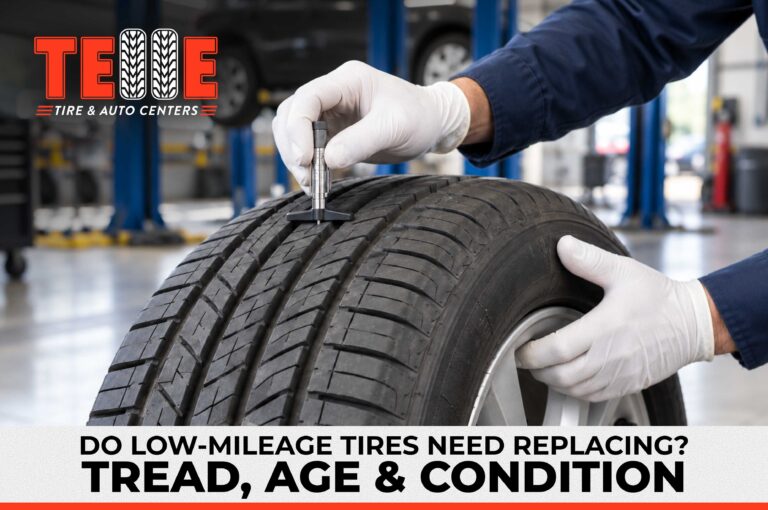
Do Low-Mileage Tires Need Replacing? Tread, Age & Condition
A car that spends most of its time in the garage may have tires that look nearly new. However, low mileage does not automatically mean those…
Car Battery in Cold Weather: Why Testing Matters
A car that starts reliably during mild weather can struggle on a freezing morning, leaving you late for work or stranded in a parking lot. For…
Tennessee Vehicle Maintenance Checklist for Reliable Driving
Owning a vehicle in Tennessee means dealing with changing road conditions, seasonal weather, and daily driving demands. A reliable car does not happen by accident. It…