Springfield MO Tire Buying Guide for First-Time Buyers
 Telle Tire 13 min read
Buying your first set of replacement tires can feel surprisingly complicated. Tire sizes, tread ratings, speed ratings, warranties, brands, and prices all compete for your attention. This Springfield MO tire buying guide will help you understand what actually matters so you can choose tires based on your vehicle, driving habits, Missouri weather, and budget.
For local car owners, SUV drivers, and first-time car owners, the goal is simple: find tires that fit correctly, perform well in the conditions you regularly drive in, and provide good value over their useful life. Telle Tire & Auto Centers serves Springfield drivers at two locations, with tire service, installation, and complete auto care available from ASE-certified technicians.
TL;DR – Springfield MO Tire Buying Guide Basics
Before comparing brands or looking for the lowest price, start with the basics. Knowing what your vehicle requires can quickly narrow your choices and help you avoid buying a tire that looks like a good deal but is poorly suited to your car.
- Check your tire size – Look at the driver’s doorjamb placard or owner’s manual for the manufacturer’s recommended tire size. A marking such as P225/65R17 contains information about tire width, aspect ratio, construction, and wheel diameter.
- Check the load index – The load index tells you how much weight each tire can safely support at its specified inflation pressure. Your replacement tires should meet the vehicle manufacturer’s requirements, particularly if you regularly carry passengers, cargo, or tow.
- Check the speed rating – A tire’s speed rating indicates the maximum speed capability associated with its load rating. Matching your vehicle’s original specifications is a sensible starting point when replacing tires.
- Consider your vehicle type – A compact sedan, crossover, pickup, and full-size SUV can have very different tire requirements. Choosing tires designed for your vehicle category helps balance handling, comfort, load capacity, and tread life.
- Think about your driving routine – Someone who commutes across Springfield every day may value tread life and ride comfort, while a driver who spends most weekends on the highway may prioritize highway stability and long-term mileage.
What Tire Type Should You Choose
Once you know the correct size, the next question is what type of tire makes sense for your driving. There is no single tire that is best for every driver.
For most everyday drivers, all-season tires offer a practical balance of traction, comfort, and tread life. However, performance, touring, winter, and light-truck tires can make more sense depending on how and where you drive.
- All-season tires – These are a popular choice for drivers who want year-round versatility. They generally provide a comfortable ride and reasonable wet and dry traction for everyday driving, making them a common option for cars and SUVs.
- Touring tires – Touring tires tend to emphasize a smooth, comfortable, and quieter driving experience. They can be a good fit for commuters and families who spend significant time on city streets and highways.
- Performance tires – These tires emphasize steering response, cornering, and handling. They may appeal to drivers who enjoy responsive handling, although some performance-focused tires can sacrifice tread life or ride comfort.
- Winter tires – Winter tires are engineered for colder conditions and snow and ice traction. Springfield drivers should consider their individual winter driving needs, especially if they regularly travel outside the city during severe winter weather.
- Light-truck and SUV tires – These tires can be designed for heavier vehicles, additional load demands, highway use, or off-road driving. The correct choice depends on your SUV or truck’s specifications and how you use it.
When comparing tires, consider the conditions you encounter most often rather than buying based on appearance. Tire performance involves several factors, including grip, longevity, rolling resistance, handling, comfort, noise, and durability.
How Springfield Weather Affects Tire Choice
Springfield drivers experience changing conditions throughout the year, so weather should have a place in your tire decision. Rain, heat, cold temperatures, and occasional winter conditions can all influence how a tire performs.
For everyday driving in southwest Missouri, many drivers will want a tire that provides dependable wet traction while maintaining good dry-road handling and tread life.
- Rainy roads – Look for tires with strong wet traction, as braking and cornering depend heavily on tire grip. Tire manufacturers use tread patterns and rubber compounds designed to move water away from the contact area.
- Hot summer pavement – Extended exposure to heat and pavement can affect tire wear over time. Maintaining the recommended tire pressure and keeping your tires properly rotated can help promote more even wear.
- Cold temperatures – Rubber compounds behave differently as temperatures drop. If you regularly travel in colder conditions, discuss whether an all-season tire meets your needs or whether a dedicated winter tire would make more sense.
- Occasional snow and ice – Drivers who encounter significant winter weather should consider the traction requirements of their regular routes. A tire that performs well during summer rain does not automatically provide the same level of winter traction.
- Changing road conditions – Your tire needs may also depend on whether you primarily drive maintained city streets, highways, rural roads, or gravel surfaces. Tire selection should reflect the roads you actually use.
The important point is to match the tire to your real driving environment. Michelin similarly recommends considering weather, road type, and driving conditions before choosing a tire rather than relying on size alone.
What to Look for at a Tire Shop in Springfield MO
Finding the right tire is only part of the process. The shop installing it also matters because correct installation, balancing, and inspection can affect how your tires perform.
When choosing a tire shop in Springfield MO, look for a business that can explain your options clearly rather than pushing you toward the most expensive tire.
- Qualified technicians – Ask whether technicians have recognized automotive certifications and experience with your vehicle type. Telle Tire’s Springfield locations use ASE-certified technicians for tire and automotive service.
- Transparent recommendations – A good tire professional should explain why a particular tire fits your needs. You should understand the differences in price, performance, warranty, and expected use before making a decision.
- Complete tire service – Look for a shop that handles installation, balancing, rotations, inspections, and flat-tire repairs. Having these services available from the same team makes ongoing tire care easier.
- Convenient locations – Convenience matters when you need a rotation, inspection, or unexpected flat repair. Telle Tire currently has Springfield locations on East Republic Road and West Kearney Street.
- Clear warranty information – Before paying, ask what is covered and what maintenance is required to keep the warranty valid. Getting those details upfront can prevent confusion later.
A trustworthy tire shop in Springfield MO should make you feel comfortable asking questions. If you cannot get a clear explanation of why one tire is recommended over another, it is reasonable to keep comparing your options.
How to Find the Best Tires for Drivers in Springfield MO
Searching for the best tires for drivers in Springfield MO can lead to endless lists of brands and models. The challenge is that a tire that scores highly in one category may not be the right fit for your vehicle or driving habits.
Instead of asking which tire is universally best, start by deciding which characteristics matter most to you.
- Best for long commutes – Prioritize tread life, highway stability, comfort, and reasonable road noise if you spend hours behind the wheel each week.
- Best for family SUVs – Look for a tire with the correct load capacity and a balanced combination of wet traction, handling, comfort, and durability.
- Best for performance-focused drivers – Handling and steering response may carry more weight than maximum mileage. Just remember that performance-oriented compounds can have different tread-life expectations.
- Best for high-mileage drivers – Compare mileage warranties, treadwear information, rolling resistance, and maintenance requirements. A tire that lasts longer can be valuable when you drive many miles each year.
- Best for changing weather – Consider wet traction and cold-weather performance alongside dry-road handling. The right balance depends on how often and where you drive during challenging weather.
The best tires for drivers in Springfield MO are ultimately the ones that meet your vehicle’s specifications and fit your priorities. Independent tire tests can be useful, but remember that test results may emphasize different performance categories, so look at the characteristics that matter most for your driving.
How to Read the Information on a Tire
Tire sidewalls can look like a string of random letters and numbers at first glance. Once you understand the basics, however, they provide useful information about whether a tire matches your vehicle.
For example, a marking such as P225/65R17 102H tells you several things. The first number identifies width, the second relates to sidewall height compared with width, R identifies radial construction, and 17 indicates the wheel diameter. The load index and speed rating follow.
You can also find a tire’s manufacture date in the DOT code. The final four digits indicate the week and year the tire was manufactured, so a code ending in 0424 means the tire was produced during the fourth week of 2024.
That information can be especially useful when buying tires that have been sitting in inventory. Ask the shop to explain the markings if you are unsure what you are seeing.
When Should You Buy New Tires
Knowing when to replace your tires is just as important as knowing which tires to buy. Tread depth is one factor, but it is not the only thing that matters.
Inspect your tires regularly for uneven wear, cracks, cuts, bulges, or other visible damage. Consumer Reports recommends monthly tread inspections because wear can develop differently across a tire.
You may also need professional advice if you notice:
- Steering that feels different than usual
- Increasing vibration at highway speeds
- Uneven tread wear
- Repeated air-pressure loss
- Cracks in the sidewall
- A visible bulge
- Reduced wet-road traction
If one tire is significantly more worn than the others, replacing only that tire may not always be the best solution. Your vehicle’s drivetrain, tire specifications, tread depth differences, and the manufacturer’s recommendations should all be considered before deciding whether to replace one, two, or all four tires.
Tire Buying Help From Telle Tire
The best tire purchase starts with information. Know your vehicle’s size and specifications, consider how you drive around Springfield, compare the characteristics that matter to you, and look at the total value of the tire package rather than focusing on the sticker price alone.
If you still have questions, Telle Tire & Auto Centers can help you compare options based on your vehicle and driving needs. Telle serves Springfield from its East Republic and West Kearney locations, with a wide selection of tire brands, professional installation, and ASE-certified technicians.
Ready to replace your tires? Visit Telle Tire & Auto Centers to compare tire options and find a set that fits your vehicle, driving habits, and budget. You can also schedule an appointment online before visiting a Springfield location.

Take it to telle
Stay Safe with a Tire Check from Telle Tire
Worried about your tread depth or tire condition heading into the summer storm season? Take it to Telle. Our expert technicians can assess your tires, check pressure levels, and recommend replacements when necessary, helping you stay in control regardless of the weather conditions. Stay safe, stay prepared, and if you’re unsure about your tires, schedule a visit with your nearest Telle Tire & Auto Centers location today.
Stay Informed
Recent Articles from Telle Tire
Tennessee Vehicle Maintenance Checklist for Reliable Driving
Owning a vehicle in Tennessee means dealing with changing road conditions, seasonal weather, and daily driving demands. A reliable car does not happen by accident. It…
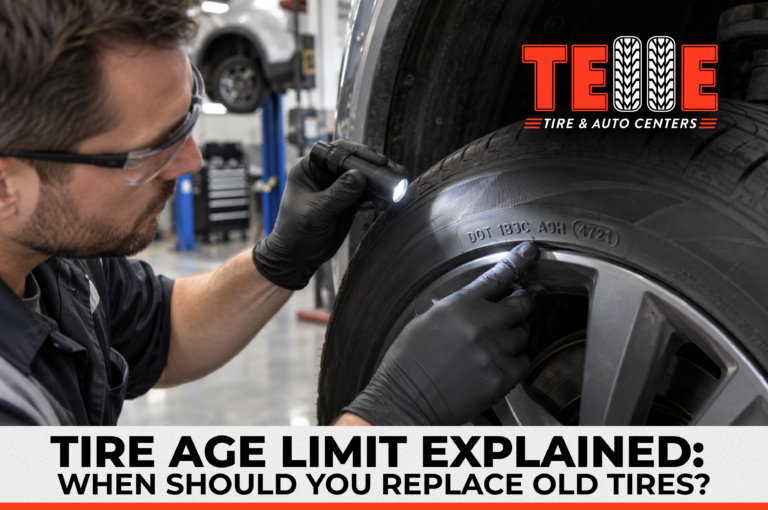
Tire Age Limit Explained: When Should You Replace Old Tires?
Many drivers assume tires only need to be replaced when the tread wears down. While tread depth is important, tire age is another major factor that…
Steering Wheel Shaking on Highway, Tires or Alignment?
When your steering wheel starts shaking on the highway, even a familiar drive can become stressful. You may notice the vibration around 55 to 70 mph,…