Tennessee Tire Buying Guide Find Tires That Fit Your Needs
 Telle Tire 13 min read
Buying new tires doesn’t have to be confusing. The right set can improve your vehicle’s safety, comfort, fuel efficiency, and overall performance while helping you get the best value for your money. Since Tennessee drivers face changing weather and a variety of road conditions throughout the year, choosing the right tires is especially important.
At Telle Tire & Auto Centers, we help drivers find tires that match their vehicle, driving habits, and budget. This Tennessee tire buying guide covers everything you need to know before making your next purchase.
TL;DR – Tennessee Tire Buying Guide
- Choose tires designed for Tennessee’s changing weather and road conditions.
- Match your tire size and ratings to your vehicle manufacturer’s recommendations.
- Compare tire types before purchasing instead of focusing only on price.
- Regular tire maintenance helps maximize your investment and improve safety.
- Visit Telle Tire & Auto Centers for professional tire recommendations and installation.
Why Tennessee Drivers Need the Right Tires
A tire is the only part of your vehicle that stays in constant contact with the road. Each tire has a contact patch roughly the size of your hand, making tire quality one of the biggest factors in braking, handling, and overall safety.
For anyone using this Tennessee tire buying guide, understanding local driving conditions is the first step toward making an informed decision. Tennessee roads range from busy interstate highways to winding rural roads, and each environment places different demands on your tires.
Tennessee Weather Affects Tire Performance
Weather changes throughout Tennessee can significantly influence tire performance.
- Heavy rain – Wet pavement increases the risk of hydroplaning. Tires with deeper tread channels help move water away from the contact patch and improve grip.
- Hot summers – High pavement temperatures accelerate tread wear and increase tire pressure. Choosing durable compounds and checking inflation regularly helps extend tire life.
- Occasional winter weather – While much of Tennessee experiences mild winters, some areas receive snow and ice. Drivers who frequently travel through higher elevations may benefit from all-weather or winter tires.
- Changing temperatures – Tire pressure changes as temperatures fluctuate. A properly inflated tire delivers better fuel economy, improved handling, and more even tread wear.
- Mixed road surfaces – From urban streets to country roads, Tennessee drivers encounter a variety of pavement conditions that influence tire longevity and ride comfort.
Choosing the right tires means preparing for these conditions before they become a safety concern. A little planning today can save money and reduce unexpected tire problems later.
How to Choose the Right Tires for Your Vehicle
Not every tire works well for every vehicle. Selecting tires based on your vehicle’s specifications helps maintain the handling and braking characteristics that engineers designed.
Many first-time buyers focus only on cost, but understanding your vehicle’s needs provides much better long-term value.
Know Your Tire Size
Your owner’s manual and the sticker inside the driver’s door list the recommended tire size.
For example: 225/65R17
Each number and letter provides important information.
- 225 – Tire width measured in millimeters.
- 65 – Aspect ratio, which indicates sidewall height.
- R – Radial construction.
- 17 – Wheel diameter measured in inches.
Installing the wrong size can affect speedometer accuracy, suspension performance, braking distance, and fuel economy.
Understand Load Index and Speed Rating
These ratings determine how much weight a tire can safely support and the maximum speed it is designed to handle.
Following manufacturer recommendations helps preserve vehicle performance and keeps warranty coverage intact.
Think About Your Driving Habits
Every driver uses their vehicle differently.
- Daily commuting – Drivers who spend most of their time on highways typically benefit from quiet, fuel-efficient touring tires.
- Family travel – SUVs carrying passengers and cargo often need tires that balance comfort with durability.
- Work trucks – Pickup owners who tow trailers or haul equipment should select tires designed for heavier loads.
- Weekend adventures – Drivers who frequently explore gravel roads or campsites may appreciate all-terrain tires.
- City driving – Frequent stops and turns create different wear patterns, making durable tread compounds especially valuable.
Thinking honestly about how you use your vehicle helps narrow your choices and prevents paying for features you may never need.
Which Tire Type Is Best for Tennessee Drivers
One of the most common questions we hear at Telle Tire & Auto Centers is which tire type offers the best value. The answer depends on where you drive and what kind of performance you expect.
For most local drivers, this Tennessee tire buying guide recommends starting with your driving environment before comparing brands.
All-Season Tires
All-season tires remain the most popular choice for Tennessee drivers because they provide dependable performance throughout much of the year.
Benefits include:
- Reliable traction in dry and wet conditions.
- Comfortable and quiet highway driving.
- Long tread life.
- Excellent value for everyday drivers.
- Widely available in many sizes and price ranges.
If you primarily commute and rarely encounter severe winter weather, all-season tires are often the best balance of performance and affordability.
All-Weather Tires
All-weather tires have grown in popularity because they bridge the gap between traditional all-season and winter tires.
They typically provide:
- Better cold-weather traction.
- Improved snow performance.
- Strong wet-weather handling.
- Year-round convenience.
- Three-Peak Mountain Snowflake certification on many models.
Drivers in eastern Tennessee or those who regularly travel into neighboring states during winter may find these tires especially worthwhile.
Summer Tires
Summer tires prioritize maximum handling and braking on dry roads.
They deliver:
- Outstanding cornering grip.
- Shorter stopping distances on warm pavement.
- Responsive steering.
- High-speed stability.
- Performance-focused tread compounds.
However, they lose effectiveness in colder temperatures and are generally not recommended for year-round use across Tennessee.
Should You Buy Premium or Budget Tires
Price naturally plays a role when shopping for new tires. While budget options can be suitable for some drivers, the lowest price doesn’t always represent the best overall value.
Premium tire manufacturers invest heavily in research, tread design, and rubber compounds that improve performance, reduce road noise, and increase tread life.
Budget tires may lower your upfront cost, but they sometimes wear out faster or offer less traction in heavy rain. Over several years of driving, investing in higher-quality tires can reduce replacement frequency and improve safety.
A professional inspection at Telle Tire & Auto Centers can help determine which tire category best fits your driving needs and budget, without paying for features you may not need.
Signs It’s Time to Replace Your Tires
Even the highest-quality tires wear out over time. Recognizing the warning signs early helps prevent breakdowns and reduces the risk of accidents. If you’re using this Tennessee tire buying guide to decide whether it’s time for new tires, start by inspecting your current set before shopping.
Replacing tires before they become unsafe also helps protect your suspension, improve braking performance, and maintain fuel efficiency.
Watch for These Common Warning Signs
Several indicators suggest your tires may be nearing the end of their service life.
- Low tread depth – The legal minimum tread depth in most states is 2/32 of an inch, but many tire experts recommend replacing tires at 4/32 inch for wet-weather driving. Deeper tread channels provide better grip and reduce the chance of hydroplaning during Tennessee’s rainy seasons.
- Cracks in the sidewall – Small cracks can develop as rubber ages and is exposed to sunlight, heat, and changing temperatures. These cracks weaken the tire and may increase the risk of failure.
- Uneven tread wear – Wear that is heavier on one side often points to alignment or suspension problems. Replacing the tire without correcting the underlying issue can lead to premature wear on the new set.
- Frequent air pressure loss – Tires that repeatedly lose air may have punctures, damaged valve stems, or deteriorating bead seals. A professional inspection can determine whether repair or replacement is the better option.
- Excessive vibration while driving – Although vibrations can have several causes, damaged or worn tires are among the most common. If balancing doesn’t solve the problem, replacement may be necessary.
Inspecting your tires once a month takes only a few minutes and can help you catch small issues before they become expensive repairs. If you’re unsure about your tire condition, a professional inspection provides peace of mind.
How to Compare Tire Warranties
Not all tire warranties offer the same level of protection. Understanding what is included can help you compare value instead of focusing solely on purchase price.
Many drivers overlook warranty details until they need them. Taking a few minutes to review the coverage before buying can save money later.
What to Look For in a Tire Warranty
- Treadwear warranty – This estimates how many miles the manufacturer expects the tire to last under normal driving conditions. While actual mileage varies, it provides a useful comparison between models.
- Road hazard protection – Some tire retailers offer coverage for damage from nails, potholes, or debris. This can be especially valuable if you frequently travel on construction zones or rural roads.
- Workmanship and materials coverage – This protects against manufacturing defects that may appear during normal use. Reputable tire brands stand behind their products with clear warranty terms.
- Free rotation programs – Some retailers offer complimentary tire rotations to help maximize tread life. Regular rotations promote even wear and extend the life of your investment.
- Nationwide service availability – If you travel frequently, choosing a retailer with multiple service locations can make warranty claims much easier.
A warranty should complement a quality tire, not replace it. Selecting a dependable tire from a trusted installer provides better long-term confidence.
Tire Maintenance Tips That Help Your Tires Last Longer
Buying quality tires is only the beginning. Routine maintenance helps you get the maximum value from your purchase while improving safety and fuel economy.
Following a few simple habits throughout the year can add thousands of miles to your tire life.
Best Practices for Longer Tire Life
- Check tire pressure monthly – Proper inflation improves handling, braking, and fuel efficiency. Tire pressure should always be checked when the tires are cold.
- Rotate tires every 5,000 to 7,500 miles – Regular rotation helps distribute wear evenly across all four tires. This extends tread life and promotes consistent handling.
- Schedule wheel alignments when needed – Hitting potholes or curbs can knock your alignment out of specification. Correct alignment prevents uneven tread wear.
- Balance tires during installation and rotation – Balanced tires provide a smoother ride and reduce unnecessary stress on suspension components.
- Inspect tires regularly – Look for nails, cuts, bulges, or unusual wear patterns before they become larger problems.
According to the U.S. Department of Energy, properly inflated tires can improve fuel economy by up to 3% and reduce uneven tire wear. Small maintenance habits can deliver noticeable savings over the life of your tires.
Choose the Right Tires With Confidence at Telle Tire & Auto Centers
Finding the right tires doesn’t have to be confusing. This Tennessee tire buying guide shows that the best choice depends on your vehicle, driving habits, budget, and the conditions you experience throughout the year. Taking time to compare tire types, understand warranties, and maintain your investment will help you enjoy better performance, improved safety, and longer tread life.
Ready to find the right tires for your vehicle? Visit Telle Tire & Auto Centers to receive expert recommendations tailored to your driving needs and budget. Schedule your appointment today and let our experienced technicians help you drive safely with confidence.

Take it to telle
Stay Safe with a Tire Check from Telle Tire
Worried about your tread depth or tire condition heading into the summer storm season? Take it to Telle. Our expert technicians can assess your tires, check pressure levels, and recommend replacements when necessary, helping you stay in control regardless of the weather conditions. Stay safe, stay prepared, and if you’re unsure about your tires, schedule a visit with your nearest Telle Tire & Auto Centers location today.
Stay Informed
Recent Articles from Telle Tire
Tennessee Vehicle Maintenance Checklist for Reliable Driving
Owning a vehicle in Tennessee means dealing with changing road conditions, seasonal weather, and daily driving demands. A reliable car does not happen by accident. It…
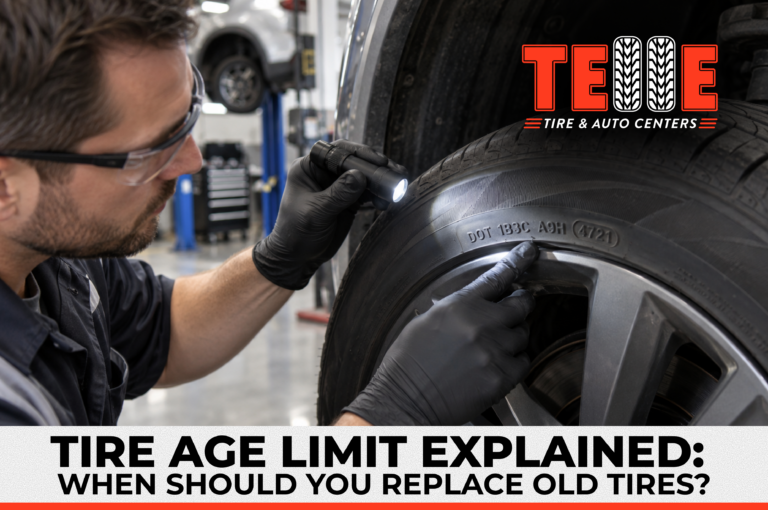
Tire Age Limit Explained: When Should You Replace Old Tires?
Many drivers assume tires only need to be replaced when the tread wears down. While tread depth is important, tire age is another major factor that…
Steering Wheel Shaking on Highway, Tires or Alignment?
When your steering wheel starts shaking on the highway, even a familiar drive can become stressful. You may notice the vibration around 55 to 70 mph,…