Missouri Cold-Weather Tire Pressure Guide for Safer Driving
 Telle Tire 11 min read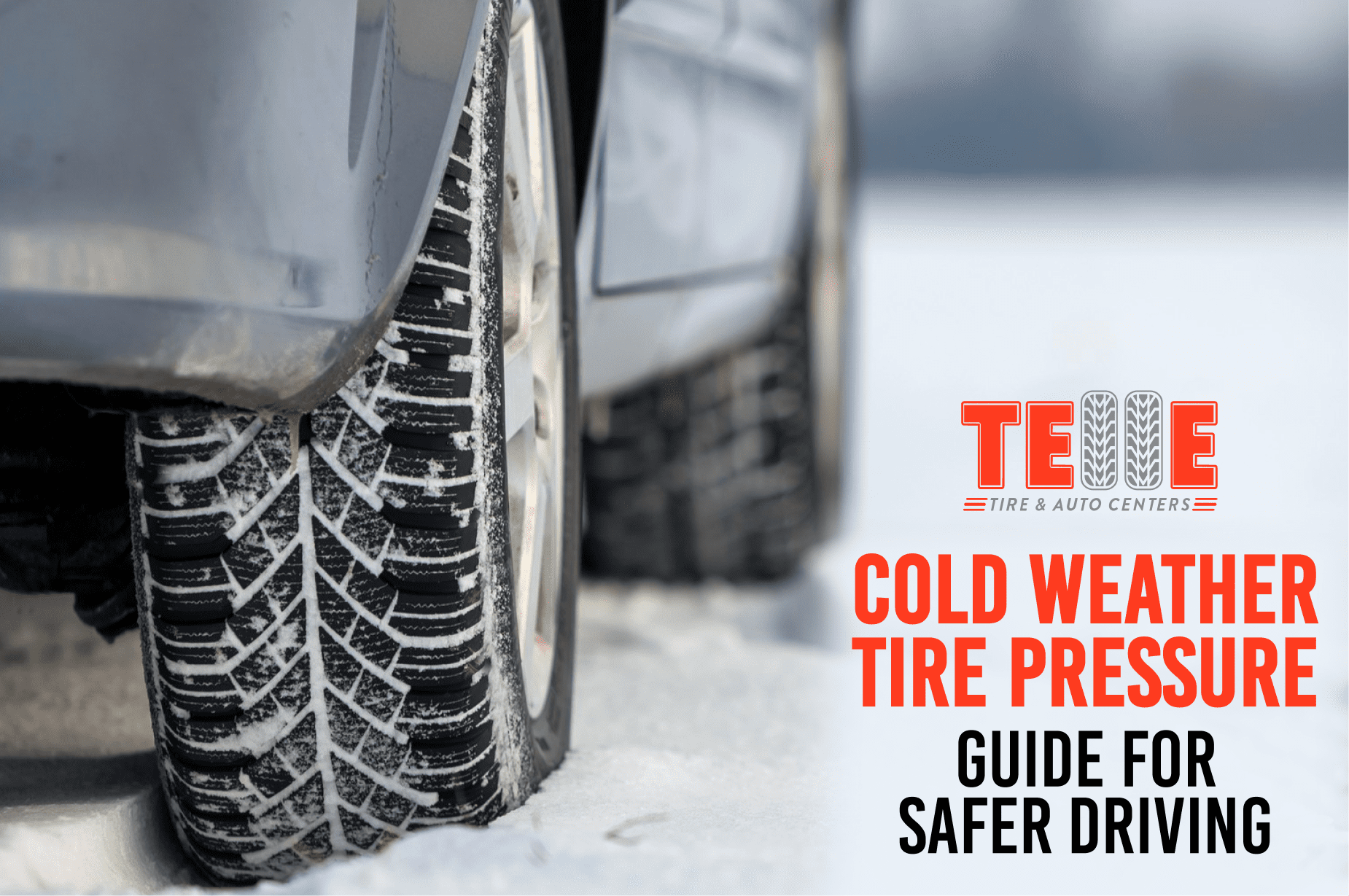
Missouri winters can bring freezing temperatures, sudden weather changes, and challenging road conditions. For many drivers, one of the first signs that winter has arrived is a low-tire-pressure warning light on the dashboard.
Understanding how cold weather in Missouri affects tire pressure can help prevent unnecessary stress and keep your vehicle safer during the coldest months of the year. When temperatures drop, the air inside your tires contracts, causing pressure to decrease even without a puncture or leak.
A tire that was properly inflated during a warmer fall afternoon may show a lower PSI reading after sitting outside overnight in freezing temperatures. This is why many drivers notice tire pressure warnings during early morning commutes, especially after a major temperature drop.
TL;DR – Missouri Cold-Weather Tire Pressure Key Takeaways
- Cold temperatures naturally lower tire pressure, and regular checks help catch PSI changes before they affect safety or performance.
- Tire pressure can drop by about 1 PSI for every 10°F drop in temperature, making Missouri cold snaps more noticeable for drivers.
- Low tire pressure can reduce traction, increase stopping distances, and cause faster tire wear.
- Regular winter inspections help prevent bigger tire problems and identify issues early.
- Checking tire pressure weekly helps drivers maintain control and avoid unexpected warning lights.
Why Tire Pressure Drops in Cold Missouri Weather During Winter
Cold weather directly affects the air inside your tires. As temperatures fall, air molecules slow down and take up less space. This lowers the pressure inside the tire, which is why drivers often see lower PSI readings on winter mornings.
A general automotive guideline is that tire pressure decreases approximately 1 PSI for every 10°F drop in temperature. For example, if temperatures fall from 50°F in the afternoon to 10°F overnight, your tires could lose around 4 PSI without any physical damage.
Many drivers in Missouri search for information on how cold weather affects tire pressure because the issue often appears suddenly. A vehicle may drive normally one day and display a warning light the next morning after the temperature drops.
Several factors influence how quickly tire pressure changes during Missouri winters:
- Rapid temperature swings – Missouri weather can shift dramatically within a short period, causing noticeable PSI changes from one day to the next. Seasonal transitions between fall and winter often create the biggest surprises for drivers.
- Overnight outdoor parking – Vehicles parked outside experience colder temperatures for several hours, causing tire pressure to decrease more noticeably than in vehicles stored in heated garages.
- Cold morning temperatures – Tire pressure readings are usually lowest before the vehicle has been driven because the tires have not warmed from road contact.
- Frequent short trips – Driving only a few miles may not allow tires to warm enough to stabilize pressure readings, which can make warnings appear more frequently.
- Changes in tire pressure monitoring systems – Modern vehicles are designed to alert drivers when PSI drops below a certain level, but the warning does not always indicate a tire leak.
These seasonal changes are normal, but ignoring them can create safety concerns. Drivers should check tire pressure when the tires are cold, ideally before driving or after the vehicle has been parked for several hours.
Many technicians recommend keeping a reliable tire gauge in your vehicle because dashboard systems indicate when pressure is low but do not always show the exact PSI. A quick check every week during winter can help you identify problems before they become more serious.
How Cold Weather Affects Tire Pressure on Missouri Roads and Driving Safety
Understanding the connection between temperature and tire pressure is important, but drivers also need to know how these changes affect vehicle performance.
Low tire pressure can affect your vehicle’s response, especially on roads covered with snow, ice, or slush. Missouri winter driving already requires extra caution, and improperly inflated tires can make handling more difficult.
When tire pressure decreases, the tire’s contact with the road changes. The tire may flex more than intended, creating additional heat, uneven wear, and reduced efficiency.
Drivers often notice the effects through:
- Reduced traction on slippery roads – Proper inflation helps tires maintain their intended contact patch with the pavement, which improves grip during winter conditions.
- Longer stopping distances – Underinflated tires may respond more slowly during braking, which can become dangerous when approaching icy intersections or sudden traffic stops.
- Uneven tread wear – Tires that consistently operate below the recommended PSI may wear faster along the edges, reducing their overall lifespan.
- Lower fuel economy – Underinflated tires create more rolling resistance, which requires your engine to work harder and can increase fuel consumption.
- Less predictable handling – Drivers may notice softer steering response or reduced stability when making turns or changing lanes.
For example, an SUV driver traveling through the St. Louis suburbs during a January snowstorm may already be dealing with reduced visibility and slippery roads. If the tires are also underinflated, the vehicle may have less control during braking and cornering.
This is why tire pressure drops in cold Missouri weather should be treated as a routine winter maintenance concern rather than ignored until the warning light appears.
Checking your tires regularly gives you more confidence behind the wheel and helps ensure your vehicle performs as it was designed to.
Proper Winter Tire Pressure Maintenance for Missouri Drivers
Maintaining the correct tire pressure during winter requires more attention than a quick check when the warning light appears. Missouri weather conditions can change quickly, and small pressure adjustments throughout the season can help improve safety, fuel efficiency, and tire performance.
Many drivers only check their tires when they notice a problem, but winter is the time when regular monitoring matters most. Cold temperatures, freezing mornings, and changing road conditions can all affect how your tires perform.
Proper winter tire pressure maintenance for Missouri drivers can help prevent unnecessary tire wear and reduce the risk of tire-related issues during severe weather.
Here are practical steps every Missouri driver should follow:
- Check tire pressure at least once a week – Regular inspections help you notice gradual pressure changes before they affect handling or safety.
- Measure pressure when tires are cold – Tire readings are most accurate before driving because heat from the road can temporarily increase PSI.
- Follow the manufacturer’s recommended PSI – The correct tire pressure can be found on the sticker inside the driver’s door or in your owner’s manual.
- Use a quality tire pressure gauge – A reliable gauge provides a more accurate reading than guessing based on appearance.
- Inspect tires for damage and uneven wear – Cold temperatures can make existing tire issues easier to notice.
- Rotate tires according to your vehicle’s maintenance schedule – Regular rotation helps tires wear evenly and improves traction.
At Telle Tire & Auto Centers, technicians often recommend checking tire pressure during seasonal maintenance visits. A quick inspection can identify pressure concerns, tire wear, and other issues before they become expensive repairs.
Understanding the Recommended Tire Pressure for Cold Missouri Winters
Many drivers wonder if they should increase tire pressure during winter because temperatures are lower. The answer depends on the vehicle manufacturer’s specifications.
The correct PSI for your vehicle does not change simply because winter arrives. Instead, drivers should maintain the manufacturer-recommended level and adjust as needed when temperatures cause natural pressure loss.
Searching for the recommended tire pressure for cold Missouri winters is common because many people assume winter requires a different PSI setting. However, adding too much air can create its own problems, including reduced road contact and a harsher ride.
Keep these points in mind:
- Do not overinflate tires to prepare for cold weather.
- Do not rely only on tire appearance.
- Check all four tires regularly.
- Remember that spare tires need attention too.
- Pay attention to dashboard warnings.
Keeping tires properly inflated helps maintain better control during snow, ice, and freezing rain. It also supports better fuel economy because properly inflated tires create less rolling resistance.
Drivers should also remember that tire pressure should be set according to the vehicle’s specifications, not the maximum PSI printed on the tire sidewall.
When to Schedule a Professional Tire Inspection in Missouri
While many winter tire pressure changes are caused by normal temperature drops, some situations indicate a bigger problem. A tire that repeatedly loses pressure may have a slow leak, damaged valve stem, puncture, or another issue requiring professional attention.
You should schedule a tire inspection if you notice:
- The low tire pressure warning keeps returning.
- One tire loses air faster than the others.
- Your vehicle pulls to one side.
- You feel vibration while driving.
- Your tires show visible damage.
Many Missouri drivers schedule seasonal inspections before winter conditions become severe. This proactive approach can help prevent breakdowns during snowstorms or freezing temperatures.
Regular inspections are especially valuable for first-time car owners who may not know how often winter tire maintenance is needed. Learning these habits early can help protect your vehicle and improve confidence on the road.
Missouri Cold-Weather Tire Pressure Tips From Telle Tire & Auto Centers
Winter driving in Missouri requires proper tire care. Understanding Missouri cold-weather tire pressure helps drivers respond quickly to PSI drops and maintain safer handling.
Seasonal pressure loss is normal, but regular checks, proper inflation, and winter tire pressure maintenance for Missouri drivers can help reduce uneven wear, improve traction, and extend tire life.
Telle Tire & Auto Centers helps local drivers prepare for winter with professional tire inspections and expert recommendations. Whether you drive daily, own an SUV, or are a first-time car owner, scheduling a tire check before freezing temperatures arrive can help keep you safer on the road.
Take it to telle
Stay Safe with a Tire Check from Telle Tire
Worried about your tread depth or tire condition heading into the summer storm season? Take it to Telle. Our expert technicians can assess your tires, check pressure levels, and recommend replacements when necessary, helping you stay in control regardless of the weather conditions. Stay safe, stay prepared, and if you’re unsure about your tires, schedule a visit with your nearest Telle Tire & Auto Centers location today.
Stay Informed
Recent Articles from Telle Tire
Tennessee Vehicle Maintenance Checklist for Reliable Driving
Owning a vehicle in Tennessee means dealing with changing road conditions, seasonal weather, and daily driving demands. A reliable car does not happen by accident. It…
Tire Age Limit Explained: When Should You Replace Old Tires?
Many drivers assume tires only need to be replaced when the tread wears down. While tread depth is important, tire age is another major factor that…
Steering Wheel Shaking on Highway, Tires or Alignment?
When your steering wheel starts shaking on the highway, even a familiar drive can become stressful. You may notice the vibration around 55 to 70 mph,…