Tire Installation & Buying Guide: Choosing the Right Tires
 Telle Tire 15 min read
Buying tires can feel confusing when every brand promises safety, comfort, and long tread life. Most drivers are trying to answer the same questions: Which tires fit my car? What type of tire do I actually need? And what does professional tire installation include?
This tire installation & buying guide breaks everything down in plain language so you can shop confidently, avoid expensive mistakes, and choose tires that fit your vehicle, budget, and driving habits.
TL;DR – Tire Installation & Buying Guide Essentials
- Learn how to read tire sizes like 225/65R17 and understand what the numbers actually mean
- Compare all-season, winter, touring, performance, and all-terrain tires for different driving needs
- Discover when to replace tires using tread depth, tire age, and wear patterns
- Understand what professional tire installation includes, from balancing to TPMS service
- Shop smarter with expert tips on warranties, pricing, and finding the best tires for your car
How to Buy Tires Without Overpaying
Many drivers start researching tires only after a flat tire or failed inspection. That usually leads to rushed decisions and limited choices. A smarter approach is learning how to buy tires before they become an emergency purchase.
Consumer Reports recommends starting tire research when the tread depth reaches 4/32 inch, as traction performance begins to decline, especially on wet roads.
When learning how to buy tires, focus on these important factors first.
- Vehicle compatibility – Every vehicle is designed for a specific tire size, load capacity, and speed rating. Installing the wrong tire can affect braking, steering response, and fuel efficiency.
- Driving conditions – Missouri drivers deal with hot summers, heavy rain, potholes, and occasional snow. Your climate matters when deciding between all-season vs winter tires.
- Driving habits – Highway commuters often prefer touring tires for comfort and low noise. SUV drivers may benefit from all-terrain tires for extra traction and durability.
- Budget vs lifespan – Cheaper tires may save money upfront, but wear faster. Premium tires often provide longer tread life and better wet-road performance.
- Installation quality – Proper mounting, balancing, and TPMS calibration are just as important as the tire itself.
Many drivers search for “tire installation near me” without realizing that tire installation directly affects tire life. Poor balancing or incorrect inflation can dramatically shorten tire lifespan.
Choosing the right tire is part product selection and part professional installation. Both matter equally for long-term performance.
How to Read Your Tire Size and Specs
Understanding tire sidewalls gives you a major advantage when comparing options. Most online tire guides skip this part or overcomplicate it.
Here’s a simple example:
Decoding Tire Size
Example tire size: 225/65R17
- 225 – Tire width in millimeters
- 65 – Aspect ratio or sidewall height
- R – Radial construction
- 17 – Wheel diameter in inches
Learning the meaning of tire sizes helps prevent ordering the wrong tire online or selecting incompatible replacements.
Right after the tire size, you’ll see additional numbers and letters that tell you how much weight the tire can carry and how it performs at higher speeds.
Example: 102H
- 102 – Load index or how much weight the tire can safely support at the proper air pressure
- H – Speed rating or the maximum speed capability the tire is designed to handle safely
The load index is based on a standardized chart used across the tire industry. A higher number means the tire can support more weight. This is especially important for SUVs, trucks, and vehicles that regularly carry passengers, cargo, or towing loads.
The speed rating is represented by a letter, and each letter corresponds to a specific speed range. For example:
- S = up to 112 mph
- T = up to 118 mph
- H = up to 130 mph
- V = up to 149 mph
Speed ratings also reflect a tire’s heat resistance, handling capability, and overall performance. Tires with higher speed ratings are often built for better cornering stability and highway responsiveness.
This matters more than most people realize. Your vehicle manufacturer selected those ratings for safety, braking performance, ride comfort, and proper handling. Using the correct specifications helps your vehicle perform the way it was engineered to.
Understanding UTQG Ratings
UTQG stands for Uniform Tire Quality Grading. It measures:
- Treadwear – Estimated tire longevity
- Traction – Wet braking capability
- Temperature resistance – Heat tolerance at higher speeds
If you are researching the best tires for my car, UTQG ratings help compare durability and performance between brands.
Many drivers focus solely on price, ignoring treadwear ratings. A slightly more expensive tire with better tread life may cost less over time.
Choosing the Right Type of Tire
Not all tires are built for the same purpose. Choosing the wrong type can lead to poor traction, noisy rides, or faster wear.
If you are wondering how to choose tires correctly, start with your typical driving conditions.
All-Season vs Winter Tires
This is one of the most common questions drivers ask.
- All-season tires – Designed for year-round driving with balanced comfort, traction, and tread life. Ideal for moderate climates and everyday commuting.
- Winter tires – Built with softer rubber compounds and deeper tread patterns for snow and ice traction.
- Wet-road performance – Winter tires remain flexible in freezing temperatures, reducing braking distance on icy roads.
- Temperature matters – Once temperatures regularly fall below 45°F, winter tires outperform all-season tires significantly.
- Storage considerations – Winter tires require seasonal installation and proper off-season storage.
For many Missouri drivers, all-season tires work well year-round. However, drivers in areas with frequent snow or icy roads may benefit from dedicated winter tires.
The decision between all-season vs winter tires depends heavily on driving habits and regional weather patterns.
Touring, Performance, and All-Terrain Tires
Different driving styles require different tire designs.
- Touring tires – Prioritize comfort, low road noise, and fuel efficiency. Great for commuters and family vehicles.
- Performance tires – Offer sharper handling and better cornering grip but may wear faster.
- All-terrain tires – Popular among SUV and truck owners who drive on gravel, dirt, or uneven roads.
- Highway terrain tires – Common for SUVs driven mainly on pavement with occasional light off-road use.
- Mud-terrain tires – Built for aggressive off-road traction but often louder on highways.
Many first-time buyers searching for the best tires for my car discover there is no single “best” tire. The right tire depends on where and how you drive.
Professional tire experts can help narrow choices based on vehicle type, mileage habits, and seasonal driving conditions.
When Should You Replace Tires?
Many drivers wait too long before replacing worn tires. Tire safety problems often appear gradually, making them easy to ignore.
According to NHTSA guidance, worn tires increase stopping distance and hydroplaning risk substantially during wet conditions.
Signs You Need New Tires
- Low tread depth – Use the penny test. Insert a penny upside down into the tread. If you can see Lincoln’s head completely, replacement time is near.
- Cracking or dry rot – Sidewall cracks indicate aging rubber and possible structural weakness.
- Uneven tire wear – Cupping or irregular wear patterns often signal alignment or suspension problems.
- Frequent air loss – Slow leaks may indicate internal tire damage.
- Vibration while driving – Persistent shaking can point to a balance issue or internal tire separation.
Even if tread depth looks acceptable, tires older than six years should be inspected regularly by professionals.
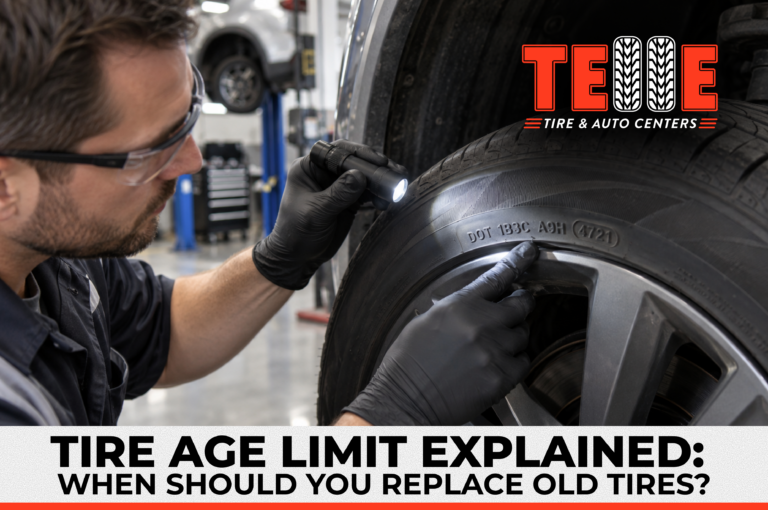
Drivers searching for how to choose tires often overlook tire age entirely. Manufacturing dates are stamped directly on the sidewall using a four-digit DOT code.
Proper maintenance also extends tire life considerably. Tire rotation every 5,000 to 7,500 miles helps evenly distribute wear.
What Professional Tire Installation Includes
A true tire installation package includes far more than simply attaching tires to wheels.
Drivers searching for tire installation near me should understand what services are actually included.
What Happens During Tire Installation
- Mounting new tires – Technicians securely install tires onto wheels using specialized equipment.
- Wheel balancing – Balancing prevents steering vibration and uneven tread wear.
- TPMS service – Tire Pressure Monitoring System sensors are inspected and recalibrated if needed.
- Valve stem replacement – New valve stems help prevent slow leaks.
- Tire disposal – Old tires are safely removed and recycled.
- Inflation adjustments – Tires are set to manufacturer-recommended PSI levels.
- Alignment inspection – Uneven wear patterns may indicate alignment problems.
Many installation packages also include lifetime tire rotation and balancing benefits.
Professional installation matters because even premium tires can perform poorly if mounted incorrectly.
ASE-certified technicians also help ensure your TPMS system functions correctly after installation.
How Much Does Tire Installation Cost?
Tire pricing depends on size, tire type, vehicle type, and installation services included.
Typical installation costs in 2026 range from $20 to $40 per tire, depending on the services included.
Factors affecting tire installation cost include:
- Wheel size – Larger SUV and truck tires cost more to install.
- Performance tires – Low-profile tires may require additional labor.
- TPMS servicing – Sensor replacement or recalibration adds cost.
- Alignment services – Recommended when uneven wear exists.
- Road hazard coverage – Optional protection plans affect pricing.
Drivers researching how to buy tires should compare total-package pricing rather than focusing solely on the tire itself.
A lower advertised tire price may not include balancing, disposal fees, or TPMS service.
Tire Warranties That Actually Matter
Not all tire warranties offer the same value, and understanding the difference can help you avoid unexpected costs later. Some warranties focus on long-term tread life, while others protect against sudden damage from everyday road hazards.
Manufacturer Treadwear Warranty
This warranty covers the expected mileage lifespan of the tire under normal driving conditions and proper maintenance.
For example, a tire may include a 60,000-mile treadwear warranty, meaning the manufacturer expects the tread to last around that distance if the tires are rotated regularly and maintained correctly.
Treadwear warranties can give drivers a better idea of long-term value when comparing tire brands. A lower-priced tire may seem appealing upfront, but a tire with a longer treadwear warranty could provide better overall savings over time.
It’s important to remember that these warranties usually require proper maintenance records, including regular tire rotations and alignment checks. Uneven wear caused by poor alignment, underinflation, or neglected maintenance may void coverage.
Road Hazard Warranty
Road hazard coverage protects against unexpected damage caused by common road conditions drivers encounter every day.
This type of warranty often covers:
- Nails – Sharp objects that puncture the tread area.
- Potholes – Sudden impacts that damage the tire structure or sidewall.
- Road debris – Metal, glass, or other debris that causes tire failure.
- Non-repairable punctures – Damage too severe for safe repair.
For many drivers, especially commuters and SUV owners, road hazard protection provides added peace of mind because tire damage can happen without warning. Replacing a damaged tire shortly after purchase can become expensive quickly, especially for larger SUV or performance tires.
Some road hazard warranties also include prorated replacement coverage, meaning you may pay only a portion of the replacement cost based on the remaining tread depth.
If you are comparing tire installation packages, it’s worth asking exactly what warranty protection is included and how claims are handled. Clear warranty coverage can make a big difference in long-term ownership costs.
How to Shop Smart for Tires
Tire shopping has become easier online, but it still helps to know what matters most.
Here are practical ways to shop smarter.
- Compare by driving needs – Match tires to commuting, highway travel, towing, or off-road driving.
- Check installation packages – Some retailers bundle balancing, rotations, and flat repair.
- Read real-world reviews – Focus on wet traction, noise levels, and tread life feedback.
- Avoid mixing tire types – Different tread patterns can affect handling stability.
- Use trusted installers – Experienced installation protects your investment.
Many online tire retailers now allow direct shipping to local installers with appointment scheduling built into checkout.
That convenience makes it easier than ever for drivers to research how to buy tires efficiently.
At Telle Tire & Auto Centers, drivers can compare multiple brands, receive expert recommendations, and get professionally installed tires backed by a lowest-price guarantee.
Tire Installation & Buying Guide from Telle Tire & Auto Centers
Choosing the right tires affects every mile you drive. The right set improves braking, comfort, fuel efficiency, and overall safety while helping you avoid costly repairs caused by improper fitment or uneven wear.
This tire installation & buying guide was designed to make tire shopping easier for everyday drivers, SUV owners, and first-time buyers who want honest answers without confusing jargon.
At Telle Tire & Auto Centers, tire expertise has been part of the company’s identity since 1942. From helping drivers understand tire size meaning to professional installation and road hazard protection, the goal is always the same: helping customers drive safely and confidently.
Ready to shop for new tires with confidence? Visit Telle Tire & Auto Centers to compare trusted tire brands, explore tire options by vehicle or size, and schedule expert installation with ASE-certified technicians. Schedule your appointment today at Telle Tire Schedule Service Page

Take it to telle
Stay Safe with a Tire Check from Telle Tire
Worried about your tread depth or tire condition heading into the summer storm season? Take it to Telle. Our expert technicians can assess your tires, check pressure levels, and recommend replacements when necessary, helping you stay in control regardless of the weather conditions. Stay safe, stay prepared, and if you’re unsure about your tires, schedule a visit with your nearest Telle Tire & Auto Centers location today.
Stay Informed
Recent Articles from Telle Tire
Tennessee Vehicle Maintenance Checklist for Reliable Driving
Owning a vehicle in Tennessee means dealing with changing road conditions, seasonal weather, and daily driving demands. A reliable car does not happen by accident. It…
Tire Age Limit Explained: When Should You Replace Old Tires?
Many drivers assume tires only need to be replaced when the tread wears down. While tread depth is important, tire age is another major factor that…
Steering Wheel Shaking on Highway, Tires or Alignment?
When your steering wheel starts shaking on the highway, even a familiar drive can become stressful. You may notice the vibration around 55 to 70 mph,…