Car Battery Guide: How Long They Last and When to Replace
 Telle Tire 12 min read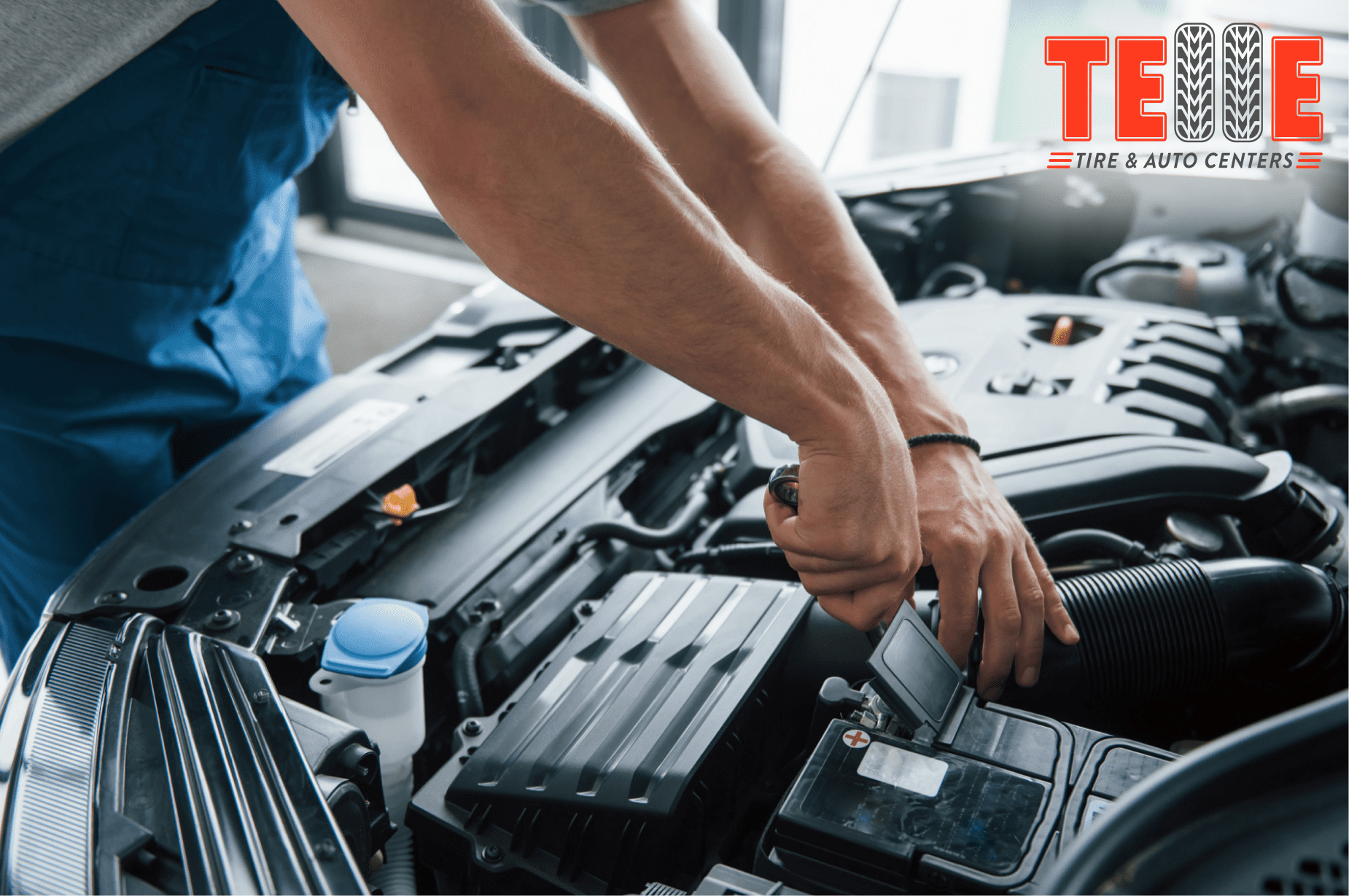
If your vehicle has been slow to start lately or needed a jump start recently, your battery may be reaching the end of its lifespan. Understanding how long car batteries last and recognizing early warning signs can help you avoid getting stranded at the worst possible moment.
Many drivers assume winter is the biggest threat to battery life. In reality, summer heat is one of the leading causes of battery failure because it speeds up fluid evaporation and internal wear. According to AAA and Battery Council International research, most standard lead-acid batteries last between three and five years under normal driving conditions.
TL;DR – Car Battery Guide for Drivers
- Car batteries usually last 3 to 5 years, depending on climate, driving habits, and battery type.
- Signs of a bad car battery include slow starts, dim headlights, clicking sounds, and frequent jump-starts.
- Missouri heat can shorten battery life more quickly than winter cold because high temperatures accelerate internal corrosion.
- A professional car battery testing service can help determine whether the issue is the battery, alternator, or starter.
- Most car battery replacement services can be completed the same day at Telle Tire & Auto Centers.
How Long Do Car Batteries Last?
Most standard lead-acid car batteries last between 3 and 5 years. AGM batteries often last closer to 5 to 7 years when properly maintained. Several factors affect battery life, including temperature, driving habits, charging system health, and electrical demand.
Why do heat and cold both shorten battery life
Extreme weather affects battery performance in different ways. Hot weather accelerates internal corrosion, while cold weather reduces available cranking power.
Here are the biggest climate-related battery killers drivers should know about:
- Summer heat damage – Heat speeds up chemical reactions inside the battery, which increases wear and shortens lifespan. Many drivers experience a dead car battery after prolonged summer temperatures, even if the battery seemed healthy beforehand.
- Cold weather strain – Cold temperatures reduce battery efficiency and make engines harder to start. Weak batteries often fail during the first cold snap because they cannot deliver enough cold cranking amps (CCA).
- Short-trip driving – Frequent short drives prevent the alternator from fully recharging the battery. This creates a gradual loss of reserve capacity over time.
- Humidity and corrosion – Moisture around battery terminals can increase corrosion and reduce electrical conductivity. Corrosion buildup also interferes with charging performance.
- Long periods without driving – Vehicles left sitting for weeks can develop parasitic drain issues that weaken the battery. This is especially common with SUVs and modern vehicles packed with electronics.
Drivers searching for how long do car batteries last often discover that driving patterns matter as much as battery age. A battery used mostly for short city trips may fail years earlier than one regularly driven on highways.
A quick battery inspection every few months can prevent many unexpected failures. Clean terminals, secure connections, and regular testing help maximize lifespan.
6 Signs Your Car Battery Is Failing
Many battery problems start with subtle symptoms that drivers often overlook until the vehicle suddenly will not start. Recognizing the warning signs early can help you avoid getting stranded in a parking lot or driveway.
- Slow engine crank – One of the most common signs of a bad car battery is a slow crank when starting the engine. If the starter sounds sluggish or weak, the battery may not have enough voltage left.
- Dashboard battery light – The battery warning light does not always mean the battery itself is failing. It can also indicate charging system issues involving the alternator or voltage regulator.
- Dim lights and electrical glitches – Weak batteries often cause headlights to dim or infotainment systems to behave unpredictably. Power windows and dashboard electronics may respond slowly as voltage drops.
- Swollen case or corrosion – A swollen battery case usually indicates overheating. Corrosion around battery terminals can interfere with charging and reduce power delivery.
- Needing frequent jump-starts – If your vehicle regularly requires jump starts, the battery may no longer hold a proper charge. Frequent jump starts also place extra strain on the alternator.
- Clicking when you turn the key – A rapid clicking sound usually means the battery lacks enough power to engage the starter motor. This is a classic symptom of a dead car battery.
Drivers often search for signs of a bad car battery after experiencing intermittent starting issues. The problem may appear randomly at first, especially during temperature swings.
Getting the battery tested before total failure helps prevent inconvenient roadside breakdowns and can also reveal charging system problems early.
Battery, Alternator, or Starter? How to Tell
Many battery-related symptoms overlap with starter or alternator problems. That confusion leads many drivers to replace the wrong part.
Here’s a simple way to understand the difference:
- Battery problems: the engine cranks slowly, electronics flicker, or the vehicle needs jump-starts. The car may start normally after charging.
- Alternator problems – The vehicle may start but die while driving because the battery is not recharging properly. Dashboard lights may brighten or dim unexpectedly.
- Starter problems – You hear a single click or complete silence even when the battery tests good. The engine will not crank at all.
- Parasitic drain issues – The battery repeatedly dies overnight due to an electrical component drawing power while the vehicle is off.
- Loose battery terminals – Corroded or loose connections can mimic a failing battery even when the battery itself is healthy.
Professional car battery testing includes voltage, load, and charging system checks to pinpoint the root cause. That diagnostic clarity is one area where many online guides fall short.
At Telle Tire & Auto Centers, technicians inspect the full starting and charging system before recommending a car battery replacement.
What Drains and Kills a Car Battery
Even high-quality batteries can fail earlier than expected when exposed to harsh conditions or poor driving habits. Many drivers are surprised to learn that battery failure is often caused by everyday issues that slowly weaken the battery over time rather than one major event. Heat, short trips, and hidden electrical drains can all reduce battery performance and shorten its lifespan.
Several common habits and conditions shorten battery life significantly:
- Frequent short drives – The alternator does not have enough time to fully recharge the battery during quick trips.
- Extreme summer temperatures – Heat accelerates fluid evaporation and internal plate corrosion. Missouri summers are especially tough on batteries.
- Leaving accessories on – Headlights, interior lights, dash cameras, and charging devices can drain the battery overnight.
- Parasitic electrical drain – Faulty electronics may continue drawing power after the vehicle is shut off.
- Old charging systems – Weak alternators force the battery to work harder, reducing its lifespan.
Drivers searching for a car battery near me often wait until complete failure before seeking help. Regular inspections can identify weak batteries before they leave you stranded.
Battery health depends on the entire electrical system working correctly. Replacing the battery without fixing an alternator or drain issue often leads to repeated failures.
How Much Does Battery Replacement Cost?
Car battery cost depends on battery type, group size, vehicle requirements, and installation complexity.
Most standard lead-acid batteries cost less than premium AGM batteries, but AGM options typically offer longer lifespan and improved vibration resistance.
Battery types and group size
Understanding battery specifications helps drivers choose the right replacement.
- Lead-acid batteries – Affordable and common in many vehicles. These typically last 3 to 5 years.
- AGM batteries – Designed for vehicles with heavy electrical demands and start-stop systems. AGM batteries handle vibration and cycling better.
- Group size – Refers to battery dimensions and terminal layout. Using the wrong group size can cause fitment and performance problems.
- Cold cranking amps (CCA) – Measures starting power in cold temperatures. Higher CCA ratings improve winter starting performance.
- Reserve capacity – Indicates how long the battery can provide power if the charging system fails.
Many first-time car owners focus only on the cost of battery replacement, but choosing the right battery matters just as much as price.
A quality battery matched to your vehicle’s electrical needs helps prevent premature failure and protects sensitive electronics.
How Battery Testing Works
Professional car battery testing provides a much more accurate picture than simply checking voltage with a multimeter.
Technicians typically perform:
- Voltage testing – Measures current battery voltage and charging condition.
- Load testing – Simulates real starting conditions to measure battery performance under stress.
- Alternator testing – Verifies that the charging system properly recharges the battery.
- Starter testing – Checks starter draw and cranking performance.
- Terminal inspection – Looks for corrosion, loose connections, or damaged cables.
A weak battery may still show normal voltage while failing under load. That is why load testing is so important when diagnosing starting problems.
Many drivers searching when to replace car battery are surprised to learn that a battery can appear fine one day and fail completely the next. Testing helps identify those weak batteries before they become emergencies.
When to Replace vs. Recharge
Sometimes a battery only needs recharging. Other times, replacement is the smarter long-term solution.
You should usually replace the battery if:
- The battery is over 3 to 5 years old
- It repeatedly fails load testing
- The case is swollen or leaking
- Corrosion is severe
- The battery cannot hold a charge consistently
Recharging may work temporarily for batteries drained by leaving lights on or extended storage. However, older batteries often continue deteriorating after discharge events.
Drivers who experience a dead car battery more than once within a short period should schedule a full charging-system inspection.
Car Battery Service at Telle Tire & Auto Centers
Battery issues rarely happen at convenient times. A weak battery can quickly turn into a stressful morning commute or roadside emergency.
At Telle Tire & Auto Centers, our technicians perform professional car battery testing, charging-system inspections, and same-day car battery replacement for many vehicles. Whether you drive a commuter sedan, family SUV, or work truck, we help you find the right battery for reliable starting power in every season.
We have serviced millions of vehicles and understand how Missouri’s heat, cold winters, and stop-and-go driving affect battery performance. If your vehicle has been slow to start or is showing warning signs, now is the right time to get it checked.
Slow starts or a battery warning light? Get your battery tested at your nearest Telle Tire & Auto Centers location. Most car battery replacement services are quick and completed the same day.

Take it to telle
Stay Safe with a Tire Check from Telle Tire
Worried about your tread depth or tire condition heading into the summer storm season? Take it to Telle. Our expert technicians can assess your tires, check pressure levels, and recommend replacements when necessary, helping you stay in control regardless of the weather conditions. Stay safe, stay prepared, and if you’re unsure about your tires, schedule a visit with your nearest Telle Tire & Auto Centers location today.
Stay Informed
Recent Articles from Telle Tire
Tennessee Vehicle Maintenance Checklist for Reliable Driving
Owning a vehicle in Tennessee means dealing with changing road conditions, seasonal weather, and daily driving demands. A reliable car does not happen by accident. It…
Tire Age Limit Explained: When Should You Replace Old Tires?
Many drivers assume tires only need to be replaced when the tread wears down. While tread depth is important, tire age is another major factor that…
Steering Wheel Shaking on Highway, Tires or Alignment?
When your steering wheel starts shaking on the highway, even a familiar drive can become stressful. You may notice the vibration around 55 to 70 mph,…