How Often You Need an Oil Change and What It Really Costs
 Telle Tire 11 min read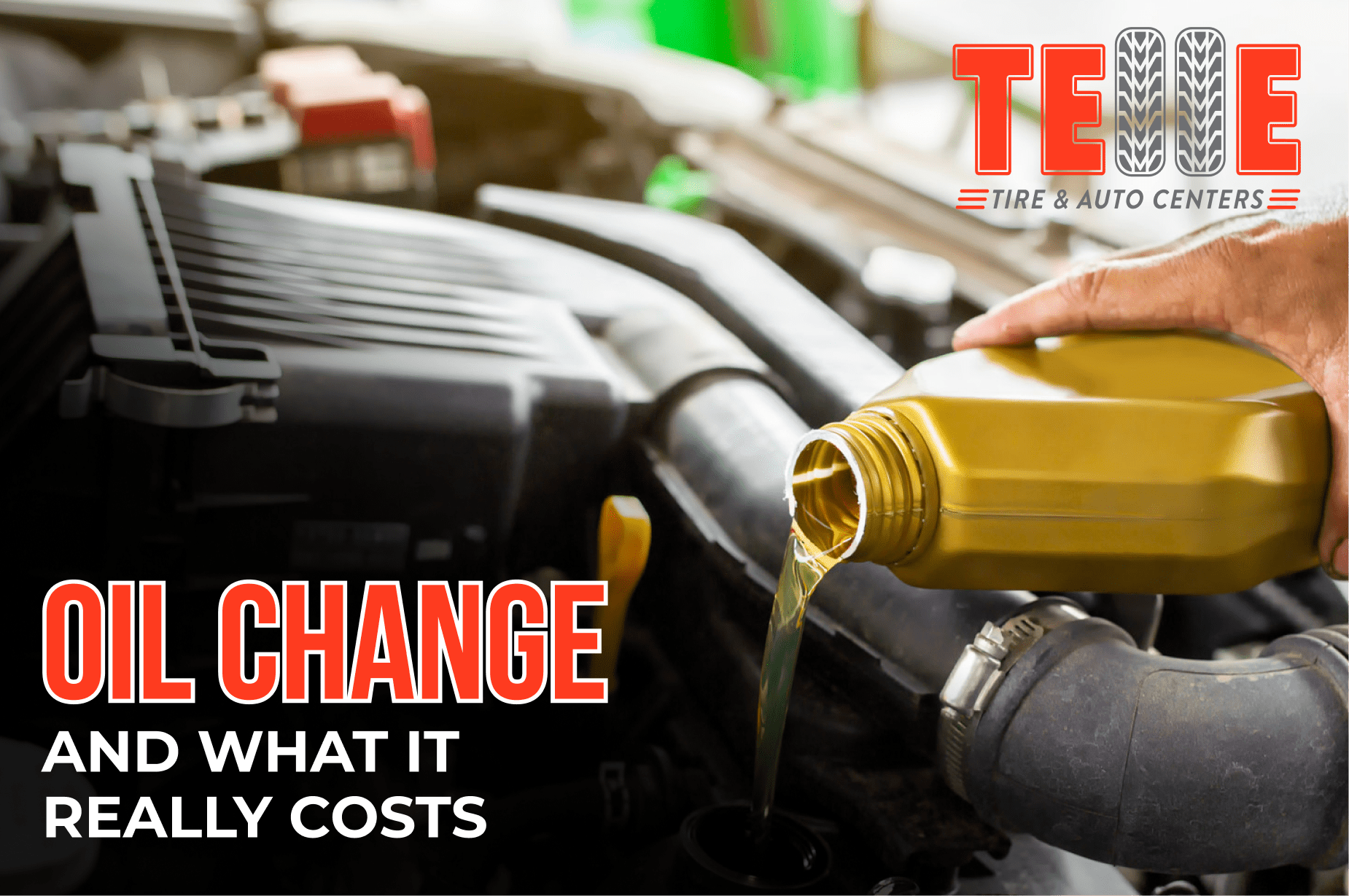
If you have ever wondered how often to change oil or whether the old 3,000-mile rule still applies, you are not alone. Many Missouri drivers still follow outdated advice that no longer matches modern engines or today’s oil technology.
At Telle Tire & Auto Centers, our ASE-certified technicians help drivers make informed maintenance decisions based on manufacturer recommendations, real-world driving conditions, and each vehicle’s needs. Since 1942, Telle has serviced millions of vehicles across Missouri with honest, practical automotive care.
This guide explains the real oil change interval for modern vehicles, the difference between synthetic and conventional oil, what severe-service driving actually means, and how much an oil change should cost in 2026.
TL;DR – Oil Change Guide for Missouri Drivers
- Most modern vehicles no longer need oil changes every 3,000 miles.
- Full synthetic oil typically lasts 7,500 to 10,000 miles, depending on driving habits.
- Stop-and-go Missouri driving, towing, and short trips count as severe driving conditions.
- Using the wrong oil viscosity can reduce fuel economy and increase engine wear.
- A professional oil change service also includes inspections that help catch expensive repairs early.
Why the 3,000-Mile Rule Is Outdated
For decades, drivers were told to schedule an oil change every 3,000 miles. That advice was accurate for older engines and older oil formulas, but modern vehicles have changed dramatically.
Today’s engines use tighter tolerances, improved fuel systems, and advanced oil-monitoring technology. At the same time, full synthetic oils now last significantly longer than conventional oils from the past. Most manufacturers now recommend an oil change interval between 5,000 and 10,000 miles, depending on the vehicle and driving habits.
Drivers who continue changing oil too early may simply be spending more money than necessary without improving engine protection.
Why Modern Oil Lasts Longer
Modern engine oil contains advanced detergents and additives that help reduce sludge, protect against heat, and maintain viscosity longer.
Here is what helps extend modern oil life:
- Improved synthetic formulations – Full synthetic oil resists breakdown under heat much better than older conventional oil. This helps engines stay cleaner and protected longer.
- Better engine design – Newer engines are engineered with tighter internal tolerances that reduce contamination and improve lubrication efficiency.
- Oil life monitoring systems – Many vehicles now calculate oil condition based on driving patterns, temperatures, and engine load instead of using fixed mileage estimates.
- Cleaner combustion systems – Modern fuel injection systems produce fewer contaminants that can degrade engine oil.
- Higher API standards – The American Petroleum Institute regularly updates oil standards to improve engine protection and performance.
The biggest takeaway is simple. Your owner’s manual matters far more than outdated oil-change myths.
How Often Should You Change Your Oil
The right oil change interval depends on your vehicle, oil type, and driving habits.
For many modern vehicles that use full synthetic oil, the recommended interval is between 7,500 and 10,000 miles. Vehicles using conventional oil often need service closer to 3,000 to 5,000 miles.
If you are searching for an oil change near me because your sticker says you are overdue, it is worth checking your owner’s manual first instead of relying on generic advice.
Normal vs Severe-Service Intervals
Most automakers define two maintenance schedules:
- Normal driving
- Severe-service driving
Many Missouri drivers unknowingly fall into the severe-service category.
Does Your Missouri Commute Count as Severe Driving
In plain language, severe driving means conditions that place extra stress on engine oil.
You may need a shorter severe service oil change schedule if you regularly experience:
- Short city trips – Quick drives that never fully warm the engine allow moisture and contaminants to build up inside the oil.
- Stop-and-go traffic – Frequent acceleration and idling increase engine heat and oil degradation.
- Extreme Missouri temperatures – Hot summers and freezing winters both place additional stress on engine oil.
- Towing or hauling – Pulling boats, trailers, or campers toward the Lake of the Ozarks increases engine load significantly.
- Frequent idling – Delivery driving, rideshare driving, and long idle times reduce oil life faster than highway commuting.
Many drivers are surprised to learn their daily commute qualifies as severe driving even if they do not drive many miles.
Time-Based Changes for Low-Mileage Drivers
Even if you rarely drive, engine oil still ages over time.
Moisture buildup, oxidation, and contaminants can still affect oil quality. Most manufacturers recommend changing oil at least once per year, even for low-mileage vehicles.
This is especially important for drivers who mainly take short trips around town.
Choosing the Right Oil for Your Car
Not every engine requires the same type of oil. Using the wrong viscosity or formula can affect fuel economy, engine protection, and warranty coverage.
Full Synthetic vs Conventional vs Blend
Understanding the difference between oil types helps drivers make better maintenance decisions.
- Full synthetic oil – Provides the best protection against heat and wear. It performs especially well during cold Missouri winters and high summer temperatures. Most newer vehicles now require synthetic oil.
- Synthetic blend oil – Combines conventional and synthetic oils to offer better protection than conventional alone at a lower price point.
- Conventional oil – Typically used in older vehicles with simpler engine designs. It breaks down more quickly under high heat and stress.
When discussing full synthetic vs conventional oil, synthetic generally lasts longer, performs better in extreme temperatures, and keeps engines cleaner.
Why Viscosity Matters
Oil viscosity refers to how thick or thin the oil is under certain temperatures.
You may see ratings like:
- 0W-20
- 5W-30
- 5W-20
These numbers are carefully chosen by the vehicle manufacturer. Using the wrong oil viscosity can affect lubrication, fuel economy, and internal engine wear.
Always follow the OEM oil spec listed in your owner’s manual.
European and Specialty-Spec Vehicles
Many European vehicles require specialized synthetic oils that meet strict manufacturer certifications.
Brands like BMW, Mercedes-Benz, Volkswagen, and Audi often require oil that meets precise specifications beyond standard viscosity ratings.
Using the wrong oil may trigger warning lights or even void warranty coverage.
What’s Actually Included in an Oil Change
A professional oil change service includes far more than simply replacing oil and a filter.
At Telle Tire & Auto Centers, technicians also inspect key vehicle systems that help identify wear before it becomes an expensive repair.
A typical oil change service may include:
- Drain and fill service – Old engine oil is fully drained and replaced with fresh oil that meets manufacturer specifications.
- New oil filter installation – The oil filter removes contaminants and helps protect internal engine components.
- Fluid checks – Technicians inspect coolant, brake fluid, transmission fluid, and windshield washer fluid levels.
- Tire pressure inspection – Proper tire inflation improves fuel economy and tire life.
- Battery and belt inspection – Early signs of wear can often be identified during routine maintenance visits.
Routine oil changes are also one of the easiest ways to maintain resale value and extend engine life.
How Much Does an Oil Change Cost
Oil change cost depends on your vehicle, oil type, filter quality, and manufacturer requirements. In general, conventional oil changes typically range from $40 to $70, while a full synthetic oil change usually ranges from $70 to $120 or more. Luxury vehicles, trucks, and European models may cost more due to specialty oil specifications and larger oil capacities.
Although synthetic oil changes cost more upfront, they usually last longer and provide better protection against heat, sludge buildup, and engine wear. Many modern vehicles are specifically designed for full synthetic oil, especially turbocharged engines and vehicles with extended oil change intervals.
Drivers comparing prices should also consider the value of a professional oil change service, including fluid checks, tire pressure inspections, and maintenance recommendations. For accurate pricing based on your specific vehicle, visit Telle Tire & Auto Centers or contact your nearest location.
What Happens If You Skip Oil Changes
Delaying oil changes can create serious engine problems over time.
As engine oil breaks down, it loses its ability to properly lubricate and cool internal components.
Potential consequences include:
- Sludge buildup – Dirty oil forms thick deposits that restrict lubrication and damage engine components.
- Increased engine wear – Metal parts experience greater friction without proper lubrication.
- Reduced fuel economy – Dirty oil increases engine friction, lowering efficiency.
- Overheating risk – Oil also helps remove engine heat. Old oil loses that cooling ability.
- Expensive engine damage – Severe neglect can eventually lead to complete engine failure.
Even a reliable vehicle can suffer major mechanical issues when routine oil maintenance is ignored.
Common Oil Change Mistakes
Many drivers unintentionally shorten engine life through avoidable maintenance mistakes.
Here are some of the most common problems technicians see:
- Following outdated mileage myths – The old 3,000-mile rule no longer applies to many vehicles.
- Ignoring severe driving conditions – Short trips and stop-and-go traffic often require shorter intervals.
- Using the wrong oil viscosity – Incorrect oil thickness can reduce protection and efficiency.
- Skipping filter replacement – A clogged oil filter reduces oil circulation and contaminant removal.
- Waiting too long after warning lights appear – Oil pressure lights should never be ignored.
Drivers who stay proactive with maintenance usually spend far less on repairs over the life of their vehicle.
Oil Change Service at Telle Tire & Auto Centers
Routine maintenance protects your engine, improves reliability, and helps drivers avoid expensive repairs down the road.
At Telle Tire & Auto Centers, our experienced technicians help Missouri drivers choose the right oil change interval, oil type, and maintenance schedule based on real driving conditions instead of one-size-fits-all recommendations.
Whether you need a synthetic oil change, help understanding your oil life monitor, or guidance on severe-service maintenance schedules, our team is here to help you make confident maintenance decisions with honest recommendations and no-pressure service.
Due for an oil change? Schedule an appointment with your nearest Telle Tire & Auto Centers location today.
Check our current oil change special before booking and let our experienced technicians help keep your vehicle running smoothly through every Missouri season.

Take it to telle
Stay Safe with a Tire Check from Telle Tire
Worried about your tread depth or tire condition heading into the summer storm season? Take it to Telle. Our expert technicians can assess your tires, check pressure levels, and recommend replacements when necessary, helping you stay in control regardless of the weather conditions. Stay safe, stay prepared, and if you’re unsure about your tires, schedule a visit with your nearest Telle Tire & Auto Centers location today.
Stay Informed
Recent Articles from Telle Tire
Tennessee Vehicle Maintenance Checklist for Reliable Driving
Owning a vehicle in Tennessee means dealing with changing road conditions, seasonal weather, and daily driving demands. A reliable car does not happen by accident. It…
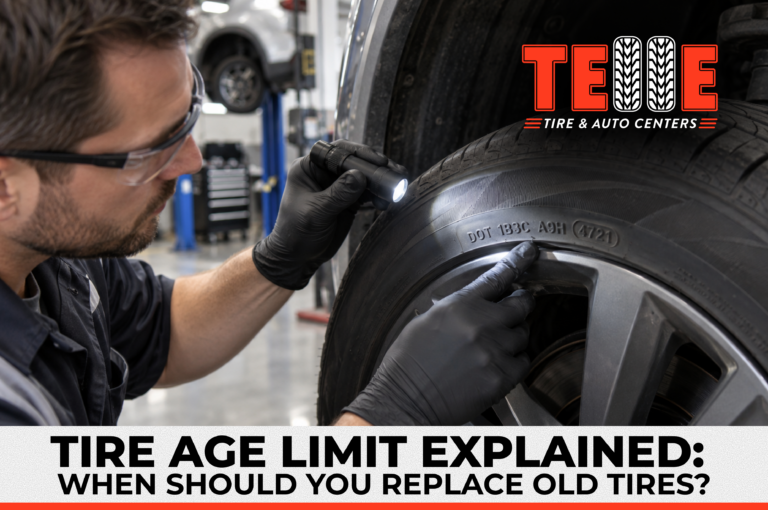
Tire Age Limit Explained: When Should You Replace Old Tires?
Many drivers assume tires only need to be replaced when the tread wears down. While tread depth is important, tire age is another major factor that…
Steering Wheel Shaking on Highway, Tires or Alignment?
When your steering wheel starts shaking on the highway, even a familiar drive can become stressful. You may notice the vibration around 55 to 70 mph,…