Winter Driving in Missouri: Top 7 Mistakes Drivers Make & How to Avoid Them
 Telle Tire 12 min read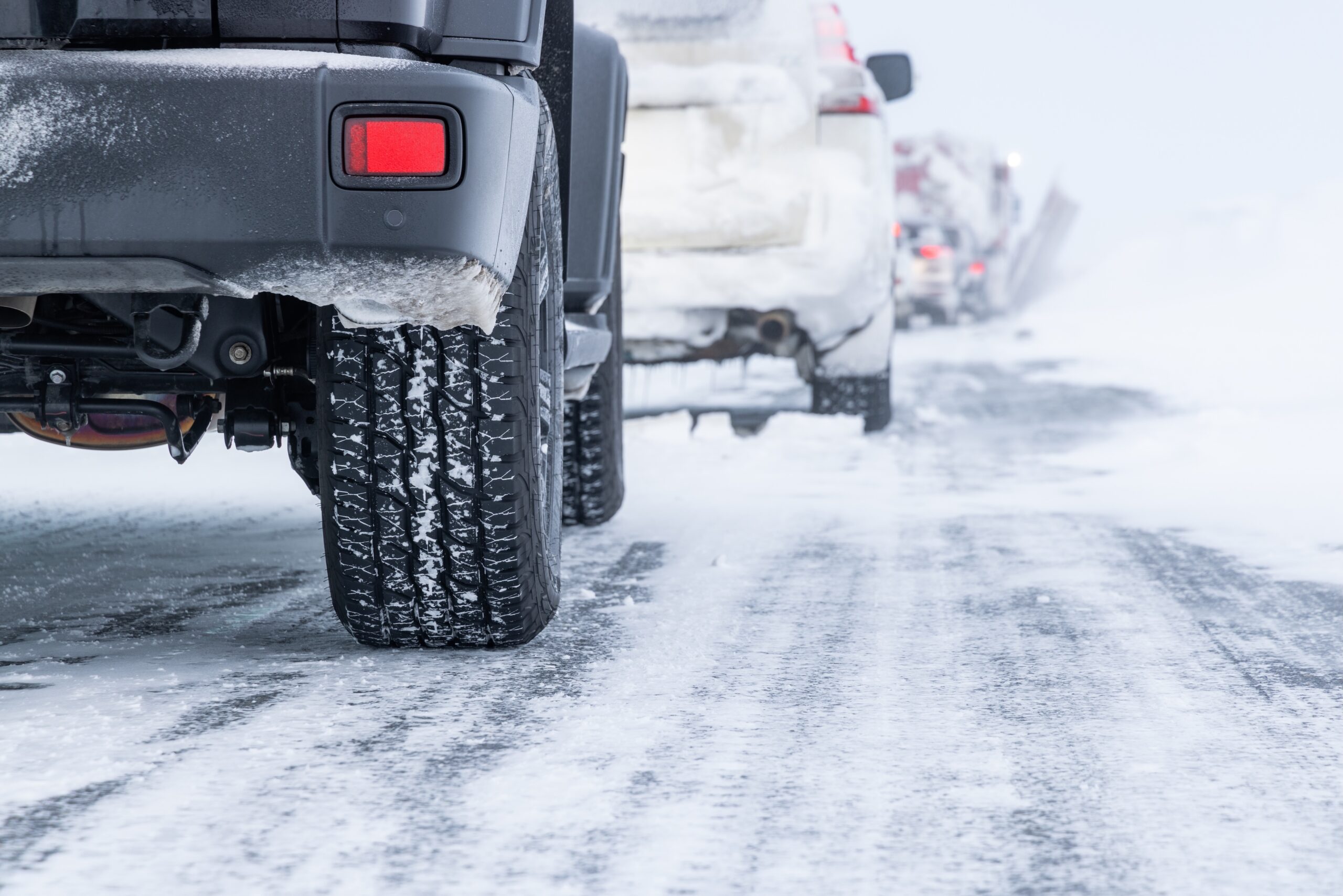
Winter in Missouri is anything but predictable. Drivers can experience early-season frost, freezing fog, sudden snow bursts, black ice on bridges, and wide temperature swings, sometimes all within a single week. These conditions create hazards that many drivers aren’t prepared for. While winter weather itself is outside your control, most winter driving issues stem from preventable maintenance mistakes that affect traction, handling, braking, and visibility.
To help you stay safe this season, we’ve outlined the seven most common winter driving mistakes Missouri drivers make, why they happen, and what you can do to avoid them. With proper preparation and support from a trusted local expert like Telle Tire, you can drive confidently regardless of what Missouri weather throws your way.
1. Staying on Summer Tires Too Long
Many Missouri drivers assume they don’t need winter or all-weather tires because the state doesn’t get the same snow accumulation as places like Minnesota or Michigan, but snow isn’t the only concern. Cold temperatures alone dramatically change how your tires perform.
In addition, Missouri often sees:
- Overnight freezes followed by daytime thaws
- Cold early-morning commutes
- Shaded roads that stay icy for hours
- Sudden cold snaps that catch drivers off guard
All of these create traction challenges that summer tires aren’t designed to handle.
Summer tires are made with a performance-oriented rubber compound that becomes stiff and inflexible when temperatures drop below 45°F. When rubber hardens, it loses its ability to conform to the road surface, resulting in reduced grip, longer stopping distances, and reduced control, even on dry pavement.
How to Avoid It
Install winter tires or true all-weather tires before late fall. Winter tires stay flexible in cold temperatures, use deeper tread blocks, and channel away snow, slush, and icy buildup more effectively.
If you’re unsure which option suits your vehicle, commute, or driving preferences, the technicians at Telle Tire can evaluate your driving habits and recommend the safest, most cost-effective setup for winter tire safety.
2. Ignoring Tire Pressure Drops in Cold Weather
Cold weather can immediately affect tire pressure. As temperatures drop, tire pressure decreases by roughly one psi for every 10°F drop. So if temperatures fall from 60°F to 20°F over a couple of days, or even in a matter of hours, your tires could lose around four psi without a single puncture or warning.
Low tire pressure can result in:
- Increased stopping distance
- Less stable cornering
- Poorer traction on icy roads
- Lost fuel efficiency by up to 10%
- Faster or uneven tire wear
Even more concerning is that many drivers don’t notice pressure loss until the tire pressure monitoring system (TPMS) light turns on. By that point, the pressure may already be too low for safe winter driving.
How to Avoid It
During winter months, check your tire pressure weekly, especially after major temperature swings. Even a small drop can compromise the tire’s grip on frozen pavement.
If you prefer professional monitoring, Telle Tire offers easy tire pressure checks, accurate adjustments, and TPMS diagnostics and repairs if needed.
3. Driving on Worn or Uneven Tread
Tread depth plays a major role in how well your tire grips winter roads. When tread is low, water and slush can’t be expelled efficiently from under the tire, increasing your risk of hydroplaning or sliding on ice.
Many drivers use the industry minimum of 2/32″ as the replacement point, but that measurement is not safe for winter driving. At 4/32″, tires already begin to lose snow performance and braking power.
Uneven tread creates additional risks:
- Pulling to one side
- Reduced stability during emergency braking
- Skidding when turning
- Premature tire failure
Uneven wear often indicates skipped tire rotations, misalignment, or problems with suspension components, all of which worsen in cold conditions.
How to Avoid It
For winter, replace tires when the tread hits 4/32″ or lower. This can be verified by performing the “quarter test.” If a quarter is placed upside down into the tread and the top of Washington’s head is visible, the tread has dropped below 4/32″. Also, maintain regular maintenance:
- Tire rotations every 5,000 – 7,000 miles
- Tread inspections before and during winter
A quick check before the season begins can prevent dangerous driving later on.
4. Forgetting to Check Battery Health Before Winter
Cold weather reduces a battery’s ability to generate power. At 32°F, a typical car battery can lose 35% of its cranking power. At 0°F, that loss increases to 60%. That’s why Missouri’s first major cold snap triggers a wave of no-starts.
Batteries naturally weaken with age, but the strain of running heaters, defrosters, lights, and heated seats only increases during winter.
Signs your battery may fail soon:
- Slow engine turnover in the morning
- Dim headlights at idle
- Clicking sounds when starting the car
- Corrosion around battery terminals
How to Avoid It
Have your battery tested if it’s older than 3-4 years, or if you’ve noticed any symptoms above. A quick winter battery test can prevent a morning when you’re stranded in freezing temperatures.
Telle Tire offers professional battery testing, replacement, and charging systems inspections when you need them.
5. Neglecting Wiper Blades & Visibility
Simply put, if you can’t see, you can’t drive safely. Yet wiper blades are one of the most overlooked components of winter vehicle prep. In Missouri’s mix of sleet, snow, freezing rain, and road salt, visibility can deteriorate quickly.
Worn wipers may:
- Leave streaks that scatter light at night
- Freeze to the windshield
- Fail to clear slush or icy buildup
- Tear or split during heavy ice events
Low-quality washer fluid is another issue. Standard formulas can freeze on contact when temperatures drop, forming a glaze rather than washing away debris.
How to Avoid It
Replace wipers every 12 months, or sooner if you see streaking or hear chattering. Switch to winter-grade washer fluid that won’t freeze at low temperatures and helps break down road salt and grime.
Even better, consider winter wiper blades, which feature protective rubber covers to prevent ice buildup.
6. Driving Too Fast for Conditions
Missouri drivers often underestimate how deceptive winter roads can be. Pavement may look dry, but could be covered in a thin, nearly invisible layer of black ice, especially on:
- Bridges
- Overpasses
- Highway ramps
- Rural shaded roads
- Newly paved surfaces
Even light snow or rain can create a slippery film at freezing temperatures. When you drive too fast, your vehicle has less time to react, and your tires lose their grip.
How to Avoid It
Adjust your speed for conditions, not just the posted limit. Some winter driving tips include:
- Slow acceleration prevents spinouts
- Gentle braking reduces skidding
- Increased following distance creates more reaction time
- Smooth steering keeps your tires planted
Even a 5-10 mph reduction can significantly improve winter safety.
7. Skipping a Pre-Winter Vehicle Inspection
Many winter breakdowns happen because small issues, like worn belts, low coolant, weak batteries, or thin brake pads, weren’t caught early. Cold weather stresses every major system in your car, so starting the season with overdue maintenance can quickly lead to trouble.
A winter inspection helps identify:
- Weak batteries
- Low fluids or incorrect coolant mixtures
- Brake wear
- Tire issues
- Heating and defrosting problems
- Undetected leaks
How to Avoid It
Schedule a winter readiness inspection before temperatures drop. Telle Tire’s winterization service includes checks of your battery, brakes, tires, fluids, belts, hoses, and more. This proactive step is one of the most valuable ways to ensure safe winter driving.
Why Missouri Drivers Face Unique Winter Challenges
Missouri’s geography and climate make winter especially complicated. Unlike northern states with consistent snowpack, Missouri faces frequent freeze-thaw cycles that create unpredictable road conditions.
Drivers here experience:
- Rapid temperature swings: 40°F one day, teens the next
- Highly variable precipitation, from ice to sleet to snow within hours
- Black ice forming overnight on bridges and untreated roads
- Different conditions across regions; for example, Kansas City gets more snow covered roads, St. Louis gets more ice, and rural highways freeze faster
These factors make vehicle maintenance even more crucial for Missouri drivers compared to states with more stable winter climates.
Missouri Winter-Ready Driver Checklist
Before you hit the roads this winter, it’s crucial to shift from “hope for clear skies” to “prepared for anything.” That’s why we’ve assembled a winter-ready driver checklist to help you tackle the season confidently, rather than simply react when things go sideways.
FAQs: Winter Driving in Missouri
Do I really need winter tires in Missouri?
You don’t have to use winter tires, but they significantly improve traction once temperatures fall below 45°F. With Missouri’s frequent ice and freeze-thaw cycles, winter tires provide much safer handling than summer or worn all-season tires. Of course, snow tires may not be ideal for every driver, so consult with your Telle Tire professional to determine the smartest choice for your needs.
How often should I check tire pressure in winter?
Check your tire pressure once a week. Cold air reduces pressure quickly, and even minor drops affect handling and fuel efficiency.
When should I replace my battery before winter?
If your battery is over 3-4 years old or cranks slowly on cold mornings, have it tested. Cold weather dramatically reduces battery power, so early replacement prevents winter breakdowns.
How can I prepare my car for Missouri snow & ice?
Schedule a winter inspection, ensure your tires have adequate tread, test the battery, replace the wipers, and keep winter-grade washer fluid in the reservoir. Adding an emergency kit and blankets is also recommended in the event you get stuck on the side of the road.
Get Winter-Ready with Telle Tire
Winter driving in Missouri doesn’t have to be stressful. With the right preparation and a trusted expert on your side, you can head into cold-weather driving conditions with confidence. Whether you need new tires, a battery test, or a full winterization service, take it to Telle. Visit a location near you in St. Louis, Kansas City, Springfield, MO, or Jefferson City, MO, and have your winter service completed today.
Save money while getting your vehicle winter-ready with Telle Tire’s winter service special and current promotions.
Take it to telle
Stay Safe with a Tire Check from Telle Tire
Worried about your tread depth or tire condition heading into the summer storm season? Take it to Telle. Our expert technicians can assess your tires, check pressure levels, and recommend replacements when necessary, helping you stay in control regardless of the weather conditions. Stay safe, stay prepared, and if you’re unsure about your tires, schedule a visit with your nearest Telle Tire & Auto Centers location today.
Stay Informed
Recent Articles from Telle Tire
What Happens to Your Car When You Delay Scheduled Maintenance
It’s easy to push routine car maintenance down the to-do list. Oil changes, wheel alignments, tire rotations, fluid checks, battery tests, and suspension inspections often feel…
Top Scenic Drives in Missouri This Winter
Winter transforms Missouri into a stunning landscape of snow-covered forests, frosted bluffs, quiet river valleys, and peaceful state parks. Whether you’re near St. Louis or Kansas…
How to Get the Longest Life from Your Tires
Your tires are one of your vehicle’s most important investments and one of the easiest to protect. Proper tire maintenance saves you money by extending the…