How Many Miles Do Tires Last? Tire Lifespan Explained
 Telle Tire 13 min read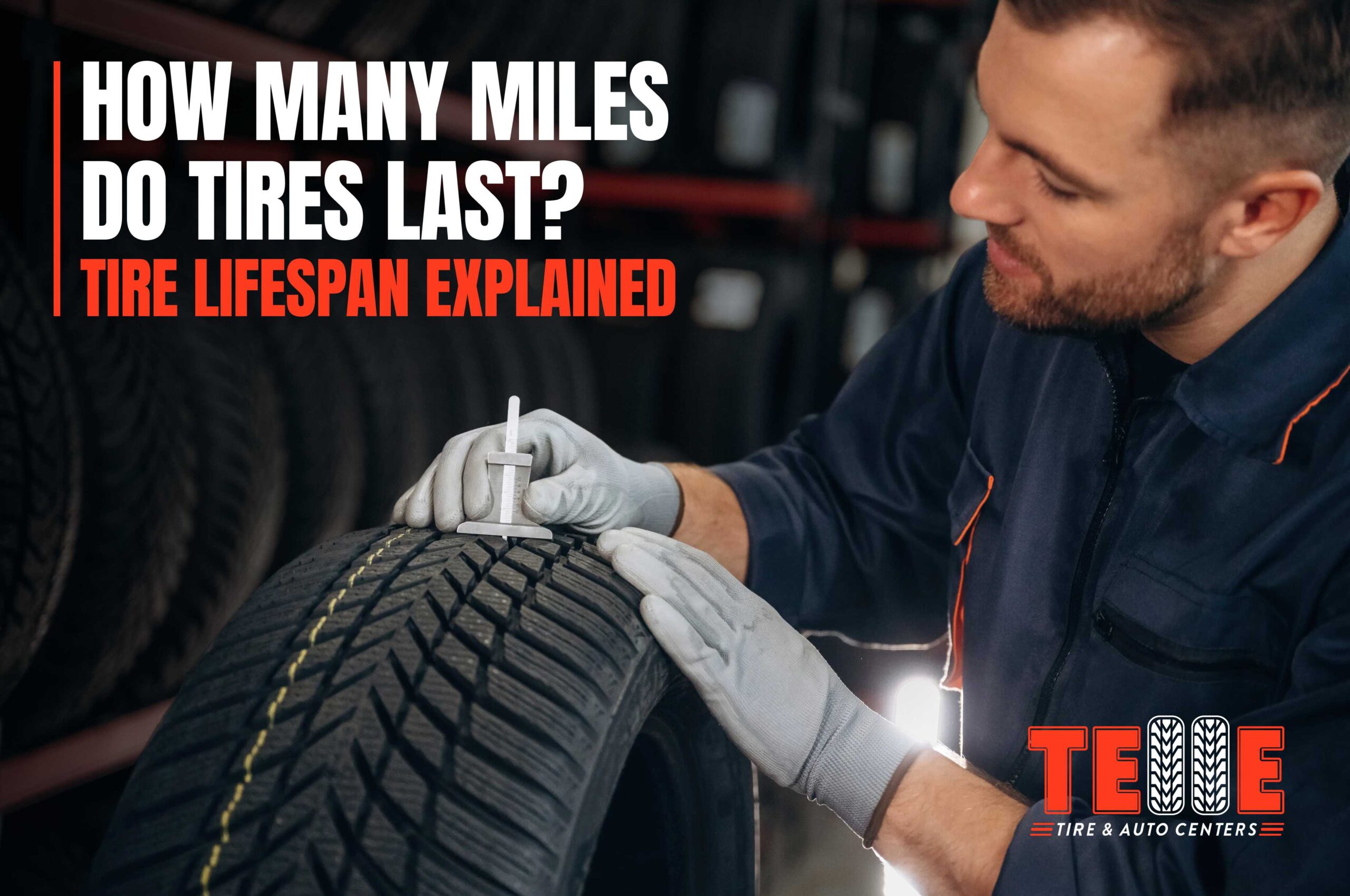
How Many Miles Do Tires Last? A Complete Guide to Tire Lifespan
When you’re shopping for new tires or wondering whether your current set is still safe, one of the most common questions is how many miles do tires last. The answer depends on several factors, including the type of tire, your driving habits, road conditions, maintenance routine, and even the weather where you drive.
Most passenger vehicle tires are designed to last anywhere from 40,000 to 70,000 miles, but mileage is only one part of the equation. Tire age, tread wear, inflation, alignment, and regular maintenance all play an important role in determining your tire lifespan. A well-maintained set of tires can provide years of reliable performance, while neglected tires may wear out much sooner.
Whether you drive through busy streets in St. Louis, commute across Kansas City, travel the highways around Springfield, MO, or take long road trips throughout Missouri, understanding how long your tires should last helps you stay safe and avoid unexpected replacement costs. At Telle Tire & Auto Centers, our technicians inspect thousands of tires every year and help drivers get the most value from every set.
TL;DR – How Many Miles Do Tires Last? Quick Takeaways
- How many miles do tires last? Most quality passenger tires last between 40,000 and 70,000 miles, although some premium touring tires can exceed that with proper maintenance.
- Your tire lifespan depends on tire quality, driving style, road conditions, climate, and routine services like tire rotations and wheel alignments.
- Knowing when to replace tires is about more than mileage. Tread depth, tire age, and visible damage are equally important.
- Regular inspections and preventive maintenance can help extend tire life, saving money while improving safety and fuel efficiency.
- If you’re unsure about your tires, the experienced team at Telle Tire & Auto Centers can inspect them and recommend the safest solution for your vehicle.
How Many Miles Do Tires Last Before They Should Be Replaced?
The short answer is that most tires last between 40,000 and 70,000 miles. However, there isn’t a single mileage figure that applies to every vehicle because drivers use their tires differently.
For example, someone who drives mostly on smooth highways may reach or even exceed the tire manufacturer’s mileage warranty. On the other hand, frequent stop-and-go traffic, rough roads, aggressive acceleration, and harsh weather can significantly reduce a tire’s usable life.
Here is a general guideline for the average tire lifespan by tire category.
| Tire Type | Average Lifespan |
|---|---|
| All-season tires | 50,000 to 70,000 miles |
| Touring tires | 60,000 to 80,000 miles |
| Performance tires | 30,000 to 45,000 miles |
| Summer tires | 25,000 to 40,000 miles |
| Winter tires | 20,000 to 40,000 miles |
| Light truck and SUV tires | 50,000 to 70,000 miles |
These ranges assume the tires receive regular maintenance, including tire rotations every 5,000 to 7,500 miles, proper inflation, and periodic wheel alignments.
An important fact many drivers overlook is that tire age matters as much as mileage. Even if your tires have plenty of tread left, rubber naturally deteriorates over time. Many tire manufacturers recommend having tires professionally inspected after six years and replacing them by ten years, regardless of mileage.
Tire Lifespan by Tire Type
Different tires are engineered for different priorities. Some focus on longevity, while others prioritize grip, handling, or off-road capability. Understanding these differences helps set realistic expectations for how long your tires will last.
All-Season Tires
All-season tires are the most common choice for everyday drivers because they balance traction, comfort, and durability.
Some key advantages include:
- Long tread life – Many all-season tires are backed by warranties ranging from 60,000 to 80,000 miles, making them among the longest-lasting options for daily driving.
- Versatile performance – They provide dependable traction in rain, light snow, and dry conditions, making them ideal for Missouri’s changing weather.
- Lower ownership costs – Because they last longer, many drivers spend less on replacements over the life of their vehicle.
- Comfortable ride quality – Touring-style all-season tires typically offer quieter road noise and smoother highway performance.
- Excellent value – They provide a strong balance of durability, comfort, and year-round usability for most sedans, crossovers, and SUVs.
If your daily commute takes you across St. Louis, Kansas City, or throughout Missouri’s highways, quality all-season tires are often the best investment to maximize your tire lifespan.
Performance Tires
Performance tires are built for superior handling and shorter braking distances, but that extra grip typically comes at the expense of faster tread wear.
Here’s why:
- Softer rubber compounds – These create exceptional traction but wear more quickly than standard tires.
- Sport-oriented design – Performance tread patterns are optimized for handling rather than maximum mileage.
- Responsive steering – Drivers enjoy improved cornering and stability at highway speeds.
- Enhanced braking performance – Better grip often translates into shorter stopping distances on dry pavement.
- Shorter expected life – Most performance tires last between 30,000 and 45,000 miles depending on driving style.
Drivers who enjoy spirited driving should schedule regular tire inspections to know when to replace tires before worn tread affects safety.
Truck and SUV Tires
Truck and SUV tires are designed to carry heavier loads while maintaining durability across different driving conditions.
Their lifespan depends on several factors:
- Vehicle weight – Larger vehicles naturally place more stress on tires.
- Towing frequency – Pulling trailers accelerates tread wear over time.
- Road surfaces – Gravel roads and construction zones can shorten tire life.
- Off-road driving – Mud, rocks, and uneven terrain increase tire wear compared to paved roads.
- Maintenance routine – Proper inflation and regular rotations remain the best ways to make tires last longer.
Whether you own a family SUV or a hardworking pickup, routine inspections at Telle Tire & Auto Centers can help identify uneven wear before it becomes an expensive problem.
What Affects How Many Miles Do Tires Last?
If two drivers buy the exact same set of tires on the same day, there’s a good chance they’ll replace them at different times. That’s because how many miles do tires last depends on much more than the tire itself. Your driving habits, vehicle maintenance, and local road conditions all contribute to your overall tire lifespan.
The good news is that many of these factors are within your control. Understanding them can help you avoid premature wear and get the maximum value from every mile.
Driving Habits
The way you drive has one of the biggest impacts on tire wear. Gentle driving helps preserve tread, while aggressive driving generates extra heat and friction that shortens tire life.
Here are some driving habits that make a difference.
- Hard acceleration – Rapid starts cause the drive tires to spin slightly, wearing away tread faster than smooth acceleration. Over time, this repeated stress can noticeably reduce your tire’s lifespan.
- Sudden braking – Frequent hard stops create excessive friction, wearing the tread unevenly. Maintaining a safe following distance allows for smoother braking and helps protect your tires.
- Fast cornering – Taking turns at high speeds places extra pressure on the tires’ outer edges. This often leads to uneven shoulder wear that shortens their usable life.
- High-speed highway driving – Driving at sustained high speeds increases tire temperatures. Excessive heat accelerates rubber deterioration and can reduce overall durability.
- Hitting potholes or curbs – Even one hard impact can damage the internal structure of a tire or knock the wheels out of alignment. Damage may not always be visible immediately, making professional inspections important.
Every driver develops habits over time, but small adjustments can have a significant impact. Smoother driving doesn’t just help make tires last longer; it also improves fuel efficiency and contributes to a more comfortable ride.
Tire Inflation
Proper tire pressure is one of the easiest maintenance tasks and one of the most important.
Many drivers only check tire pressure after a warning light appears. Unfortunately, by then uneven wear may already have begun.
A few pounds of incorrect pressure can affect handling, fuel economy, and tread wear.
- Underinflated tires – Low pressure causes the outer edges of the tread to wear more quickly. It also increases rolling resistance, making your engine work harder.
- Overinflated tires – Too much air causes the center of the tread to wear faster while reducing the tire’s contact with the road.
- Temperature changes – Missouri’s changing seasons can cause tire pressure to fluctuate naturally. Pressure often drops as temperatures decrease, especially during winter mornings.
- Improved fuel economy – Properly inflated tires roll more efficiently, helping reduce fuel consumption over time.
- Better safety – Correct tire pressure improves braking, steering response, and overall stability during emergency maneuvers.
Checking tire pressure at least once a month and before long trips is one of the simplest ways to extend your tire lifespan.
Wheel Alignment
Wheel alignment affects far more than steering comfort. It also determines how evenly your tires contact the road.
Even a slight alignment issue can cause one side of the tread to wear much faster than the other.
Watch for these common signs.
- Vehicle pulls to one side – If your vehicle drifts left or right while driving straight, the alignment may need adjustment.
- Uneven tread wear – Feathering or excessive wear on one edge often points to alignment problems.
- Off-center steering wheel – A steering wheel that isn’t centered while driving straight can indicate improper alignment.
- Reduced tire life – Misaligned wheels create unnecessary friction that wears tires faster.
- Poor handling – Proper alignment helps your vehicle track straight and improves overall driving confidence.
If you’ve recently hit a pothole or curb, it’s a good idea to have your alignment checked at Telle Tire & Auto Centers before uneven wear becomes permanent.
Tire Rotations
Regular tire rotations are one of the most effective ways to ensure even tread wear.
Because front and rear tires perform different jobs, they naturally wear at different rates. Front tires typically handle steering and most braking forces, while rear tires help maintain stability.
Rotating tires helps distribute that wear evenly.
Benefits include:
- Even tread wear – Rotating tires prevents one pair from wearing significantly faster than the others.
- Longer tire lifespan – Even wear allows drivers to get closer to the tire’s expected mileage warranty.
- Improved ride quality – Balanced tread wear often results in smoother driving and less road noise.
- Better traction – Tires with even tread maintain more consistent grip in wet and dry conditions.
- Greater value – Replacing all four tires together is often more cost-effective than replacing two prematurely.
Most manufacturers recommend rotating tires every 5,000 to 7,500 miles, often during routine oil changes.
After every rotation, technicians should also inspect tread depth, inflation, and overall tire condition to help determine when to replace tires before they become a safety concern.
Get the Most Out of Your Tires With Telle Tire & Auto Centers
Knowing how many miles do tires last helps you plan for maintenance and replacement before tire wear becomes a safety concern. Regular tire rotations, proper inflation, wheel alignments, and routine inspections can extend your tire lifespan while improving handling and fuel efficiency.
Whether you drive in St. Louis, Kansas City, Springfield, or anywhere in Missouri, Telle Tire & Auto Centers is here to help. Our ASE-certified technicians provide expert tire inspections, rotations, alignments, balancing, and tire replacement services to keep your vehicle performing at its best.
If you’re unsure whether it’s time for new tires, schedule a professional tire inspection with Telle Tire & Auto Centers. We’ll assess your tires and recommend the right solution so you can drive with confidence.

Take it to telle
Stay Safe with a Tire Check from Telle Tire
Worried about your tread depth or tire condition heading into the summer storm season? Take it to Telle. Our expert technicians can assess your tires, check pressure levels, and recommend replacements when necessary, helping you stay in control regardless of the weather conditions. Stay safe, stay prepared, and if you’re unsure about your tires, schedule a visit with your nearest Telle Tire & Auto Centers location today.
Stay Informed
Recent Articles from Telle Tire

Springfield MO Pothole Tire Damage: Protect Your Tires
Springfield drivers know that changing road conditions can create unexpected challenges behind the wheel. From seasonal weather changes to rough pavement and road repairs, potholes can…

Kansas City Tire Buying Guide: Types, Costs & Tips
Buying new tires can feel overwhelming, especially with so many brands, tire types, price ranges, and features to consider. For drivers in Kansas City, the right…

Missouri Vehicle Maintenance Checklist Before Long Trips
Planning a road trip is exciting, but preparing your vehicle is just as important as packing your bags. Following a Missouri vehicle maintenance checklist before a…