St. Louis Wheel Alignment Problems Caused by Potholes
 Telle Tire 13 min read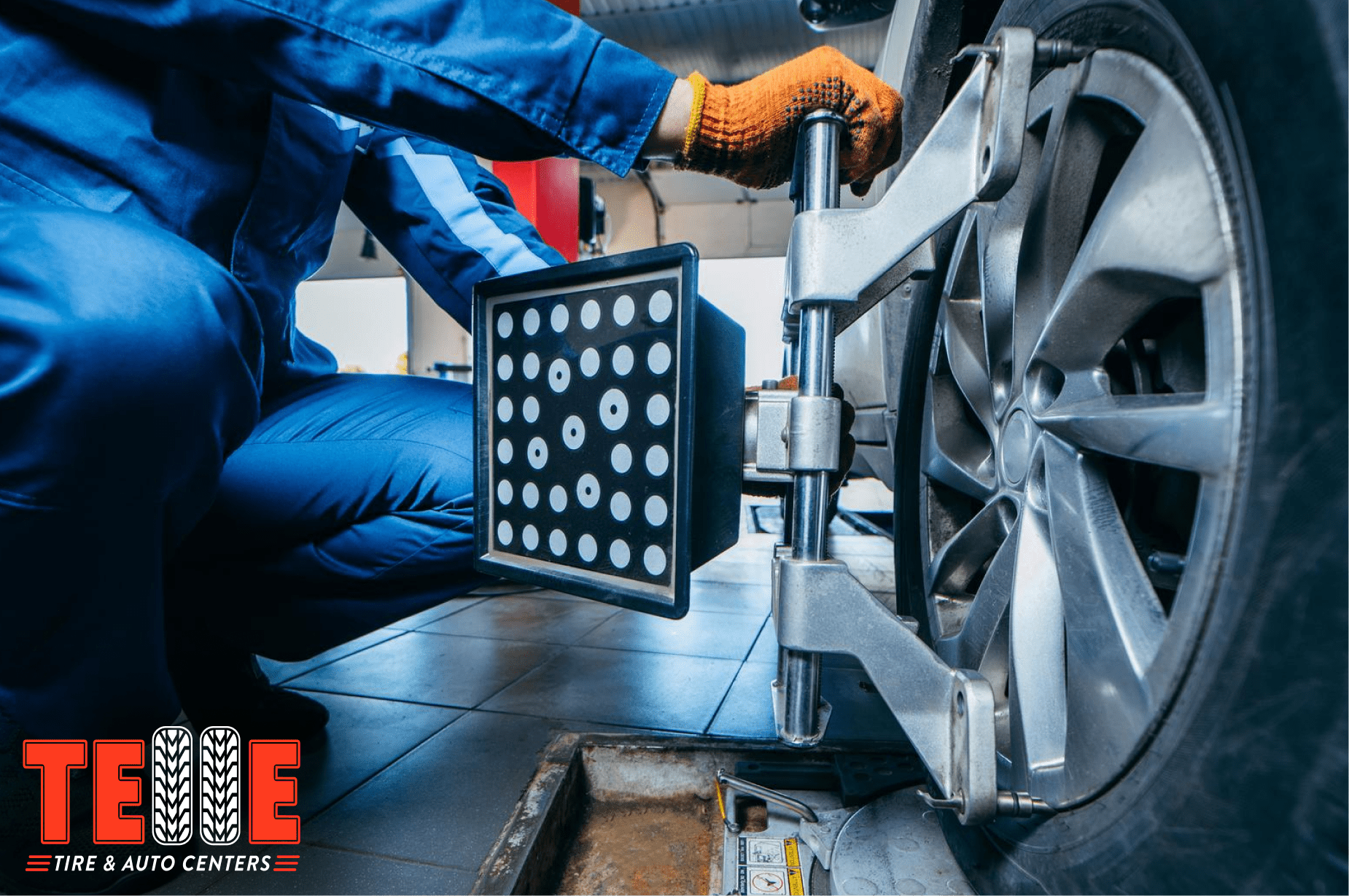
If you’ve driven around St. Louis lately, you’ve probably encountered your fair share of potholes. Whether you’re commuting on Interstate 64, navigating downtown streets, or driving through neighborhood roads after a long winter, rough pavement has become an unavoidable part of everyday travel. Unfortunately, those potholes can do more than make for an uncomfortable ride. They are one of the most common causes of St. Louis wheel alignment problems, affecting everything from steering and tire wear to your vehicle’s overall safety.
Many drivers don’t realize their alignment has been affected until their vehicle starts pulling to one side or their tires begin wearing unevenly. Even a single hard impact can knock your wheels out of alignment or damage suspension components. The good news is that catching these issues early can prevent more expensive repairs down the road. Whether you need a St. Louis wheel alignment service or more extensive suspension repair in St. Louis, understanding what to look for is the first step toward protecting your vehicle.
TL;DR – St. Louis Wheel Alignment Problems
- Potholes are one of the leading causes of wheel alignment problems in St. Louis.
- A vehicle can lose proper alignment after just one severe pothole impact.
- Uneven tire wear, steering pull, and vibrations are early warning signs.
- Prompt inspections can prevent suspension damage and extend tire life.
- Routine alignment checks help keep your vehicle safer and more comfortable to drive.
Why St. Louis Roads Are Tough on Wheel Alignment
St. Louis experiences freezing winters, warm summers, and frequent freeze-thaw cycles that weaken asphalt. Water seeps into small cracks, freezes overnight, expands, and gradually breaks apart the pavement. As traffic passes over these weakened sections, potholes quickly form.
For local drivers, this means road hazards can appear almost anywhere, especially after winter storms or heavy spring rain. Busy routes such as Interstate 64, Interstate 44, Interstate 70, and many neighborhood streets often develop rough pavement that places additional stress on suspension components.
Even careful drivers cannot avoid every road hazard. Traffic, weather, and poor visibility sometimes make potholes impossible to see until it’s too late. That is why many local drivers schedule a wheel alignment in St. Louis after hitting a particularly hard pothole, even if their vehicle still drives normally.
How Potholes Affect Wheel Alignment
A wheel alignment refers to the precise angles at which your wheels meet the road. Manufacturers carefully set these angles to maximize handling, tire life, and fuel efficiency.
Professional technicians performing a St. Louis wheel alignment service use computerized equipment to measure these angles with exceptional precision before making adjustments.
When your vehicle strikes a pothole, the sudden impact can shift these angles. The three primary alignment measurements include:
Toe
Toe describes whether the front edges of your tires point slightly inward or outward. Even a small change can cause rapid tire wear.
Camber
Camber measures how much the wheels lean inward or outward when viewed from the front. Excessive camber can reduce traction and wear one side of the tire much faster.
Caster
Caster affects steering stability and how well your steering wheel returns to center after making a turn. An incorrect caster can make the vehicle feel unstable, especially at highway speeds.
Modern computerized alignment equipment measures these angles to within fractions of a degree. Even small deviations can noticeably affect vehicle performance.
Common Signs of St. Louis Wheel Alignment Problems
Most drivers don’t notice alignment issues immediately after hitting a pothole. Instead, the symptoms gradually become more noticeable over several weeks or months. Recognizing these warning signs early can help you schedule a wheel alignment in St. Louis before additional damage occurs.
Some of the most common symptoms include:
- Vehicle pulling to one side – If your car consistently drifts left or right on a straight road, your alignment may no longer be within factory specifications. While road crown can influence steering slightly, a constant pull deserves professional inspection.
- Crooked steering wheel – Your steering wheel should remain centered while driving straight. If it sits noticeably off-center, your alignment may have shifted after hitting a pothole.
- Uneven tire wear – One shoulder of the tire wearing faster than the other is often an early indication of improper alignment. Replacing tires prematurely is usually far more expensive than correcting alignment early.
- Steering wheel vibration – While vibration can also result from tire balance issues, alignment problems combined with suspension wear frequently contribute to steering shake.
- Poor handling during turns – A vehicle that feels unstable or less responsive when cornering may have alignment or suspension damage requiring attention.
These symptoms do not always appear immediately after hitting a pothole. In many cases, gradual tire wear becomes the first noticeable clue.
Taking action early helps protect both your tires and your suspension system.
Which Suspension Parts Can Be Damaged by Potholes?
Wheel alignment problems often occur alongside suspension damage. During every alignment inspection at Telle Tire & Auto Centers, technicians also examine critical steering and suspension components because worn parts can prevent an accurate alignment.
Common components affected by pothole impacts include:
- Tie rods: These steering components help maintain proper wheel alignment. Bent or worn tie rods can cause loose steering and unstable handling.
- Ball joints – Ball joints allow your suspension to move smoothly while supporting vehicle weight. Damage may create clunking noises or excessive play.
- Control arms – A severe pothole strike can bend a control arm, making it impossible to restore factory alignment specifications until tire repairs are completed.
- Shocks and struts – These components absorb road impacts. Worn or damaged shocks reduce ride quality and allow excessive suspension movement. In many cases, drivers who come in for pothole damage repair in St. Louis discover worn struts that should also be replaced.
- Wheel bearings – Hard impacts can accelerate bearing wear, sometimes producing humming or grinding noises while driving.
If damaged suspension components are found, completing the necessary suspension repair in St. Louis before performing the final alignment helps ensure the adjustments remain accurate and your vehicle handles as intended.
Addressing both alignment and suspension issues together not only improves safety but also helps protect your investment in new tires and future car maintenance.
When Should You Get a Wheel Alignment After Hitting a Pothole?
Not every pothole impact requires immediate repairs, but it is wise to have your vehicle inspected if you notice any changes in how it drives. Many alignment problems begin subtly and worsen over time as tires continue to wear unevenly.
Here are situations when scheduling an alignment inspection is a smart decision:
- After a hard pothole impact – If you hit a deep pothole hard enough to jolt the vehicle, don’t assume everything is fine because there isn’t visible damage. Scheduling a St. Louis wheel alignment service can confirm whether your alignment angles remain within factory specifications.
- When installing new tires – New tires are a significant investment. Checking the alignment before or shortly after installation helps ensure they wear evenly and last as long as possible.
- If the steering feels different – A steering wheel that feels loose, stiff, or no longer centers properly may indicate alignment or suspension issues.
- Following suspension repairs – Replacing components such as tie rods, ball joints, control arms, or struts changes suspension geometry. A professional alignment restores factory specifications.
- As part of routine maintenance, Even without obvious symptoms, checking the alignment annually or every 12,000 miles can help identify small problems before they become costly repairs.
Being proactive can save hundreds of dollars in tire replacement costs and improve your vehicle’s overall safety and performance.
Can Driving With Poor Alignment Cause More Damage?
Yes. Continuing to drive with poor alignment can lead to problems beyond uneven tire wear.
Some of the most common long-term consequences include:
| Problem | Why It Happens | Potential Cost |
|---|---|---|
| Uneven tire wear | Tires scrub against the road at incorrect angles | Premature tire replacement |
| Reduced fuel economy | Increased rolling resistance forces the engine to work harder | Higher fuel costs |
| Suspension wear | Components experience additional stress | More expensive repairs |
| Poor handling | Tires lose optimal contact with the road | Reduced safety |
| Longer stopping distances | Uneven tire contact decreases traction | Increased accident risk |
Many drivers assume their vehicle is “still driving fine,” but small alignment issues can quietly shorten the life of expensive tires and suspension components.
How Telle Tire & Auto Centers Diagnoses Alignment Problems
A proper wheel alignment involves much more than adjusting a few settings. At Telle Tire & Auto Centers, technicians first inspect the entire steering and suspension system before making alignment adjustments.
A typical inspection includes:
- Checking tire condition – Uneven tread wear often reveals how long an alignment issue has been present. Tire pressure is also verified because underinflation can mimic alignment symptoms.
- Inspecting steering components – Tie rods, ball joints, and steering linkages are checked for excessive movement or wear. Loose parts must be repaired before an accurate alignment can be performed.
- Evaluating suspension components – Shocks, struts, control arms, and bushings are inspected for damage caused by pothole impacts.
- Performing computerized alignment measurements – Advanced equipment measures toe, camber, and caster against manufacturer specifications.
- Road testing the vehicle – After adjustments are complete, technicians verify that the vehicle tracks straight and the steering wheel is properly centered.
This thorough approach helps ensure the alignment remains accurate instead of masking a larger suspension problem.
Five Tips to Reduce Pothole Damage in St. Louis
You cannot avoid every pothole, but smart driving habits can reduce the likelihood of serious damage.
- Slow down when roads are rough – Lower speeds reduce the force transferred into your suspension when you encounter unavoidable potholes.
- Leave extra following distance – More space between vehicles gives you additional time to spot road hazards and react safely.
- Maintain proper tire pressure – Tires inflated to the manufacturer’s recommended pressure absorb impacts more effectively and help protect your wheels.
- Avoid driving through standing water – Water often hides deep potholes that can damage wheels, tires, and suspension components.
- Schedule regular inspections – Having your vehicle checked periodically allows technicians to identify minor issues before they become major repairs.
These habits not only protect your alignment but also contribute to safer driving throughout the St. Louis area.
Vehicle Maintenance Checklist After a Pothole Impact
Use this checklist if you recently hit a large pothole:
- Inspect your tires for cuts, bulges, or sidewall damage.
- Check that the steering wheel remains centered while driving.
- Listen for new clunking, grinding, or rattling noises.
- Watch for vibrations at highway speeds.
- Monitor your vehicle for pulling left or right.
- Verify tire pressure within a day or two.
- Schedule a professional alignment inspection if any symptoms appear.
Even if everything seems normal initially, some damage may not become noticeable until after several hundred miles of driving.
Get Expert Wheel Alignment in St. Louis at Telle Tire & Auto Centers
St. Louis roads can be unpredictable, but protecting your vehicle does not have to be. Addressing St. Louis wheel alignment problems early helps extend tire life, improve fuel efficiency, and restore confident handling. Even small alignment changes can become expensive if left untreated.
If you’ve noticed your vehicle pulling to one side, uneven tire wear, or a steering wheel that no longer feels centered, don’t wait for the problem to get worse. Schedule a professional inspection with Telle Tire & Auto Centers and let our experienced technicians evaluate your steering and suspension system.

Take it to telle
Stay Safe with a Tire Check from Telle Tire
Worried about your tread depth or tire condition heading into the summer storm season? Take it to Telle. Our expert technicians can assess your tires, check pressure levels, and recommend replacements when necessary, helping you stay in control regardless of the weather conditions. Stay safe, stay prepared, and if you’re unsure about your tires, schedule a visit with your nearest Telle Tire & Auto Centers location today.
Stay Informed
Recent Articles from Telle Tire
How Many Miles Do Tires Last? Tire Lifespan Explained
How Many Miles Do Tires Last? A Complete Guide to Tire Lifespan When you’re shopping for new tires or wondering whether your current set is still…

Springfield MO Pothole Tire Damage: Protect Your Tires
Springfield drivers know that changing road conditions can create unexpected challenges behind the wheel. From seasonal weather changes to rough pavement and road repairs, potholes can…

Kansas City Tire Buying Guide: Types, Costs & Tips
Buying new tires can feel overwhelming, especially with so many brands, tire types, price ranges, and features to consider. For drivers in Kansas City, the right…